BBQ Pulled Pork Sandwich with Tangy Vinegar Slaw
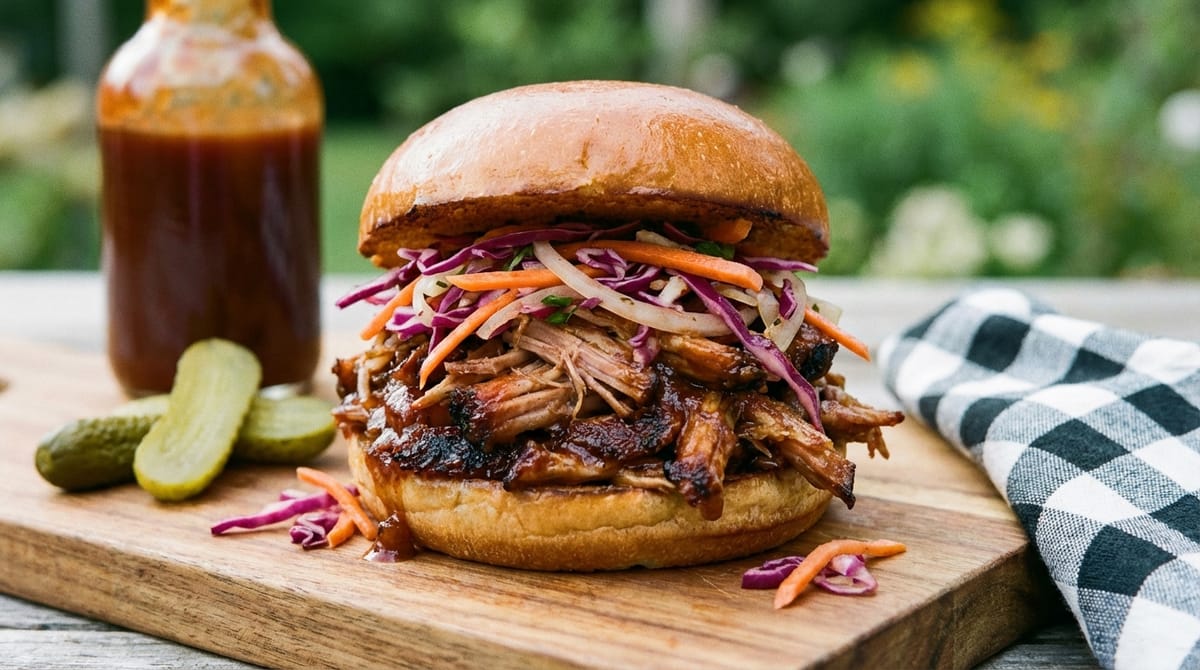
Pulled pork sandwiches represent one of barbecue's most beloved traditions, combining tender, smoky meat with a refreshing crunch of tangy slaw. This dish has roots in the Carolinas, where pitmasters have perfected the balance between slow-smoked pork shoulder and vinegar-based accompaniments that cut through the richness of the meat. The contrast between warm, savory pork and cool, acidic slaw creates a harmony of flavors and textures that has made this sandwich a staple at tailgates, cookouts, and barbecue joints across America.
What sets this sandwich apart from other barbecue offerings is its simplicity and depth. Unlike heavily sauced styles, the vinegar-based approach allows the natural flavor of the pork to shine while adding brightness and acidity. The slaw isn't just a topping - it's an integral component that transforms each bite from potentially heavy to refreshingly balanced. Whether you're feeding a crowd of ten or preparing for a family gathering, this recipe delivers consistent results with minimal fuss.
The key to exceptional pulled pork lies in patience and proper technique. Low and slow cooking breaks down the tough connective tissues in pork shoulder, transforming an inexpensive cut into fork-tender perfection. Combined with a well-crafted spice rub and a tangy vinegar sauce, this sandwich becomes more than just a meal - it becomes an experience worth savoring.
Complete Recipe: BBQ Pulled Pork Sandwich with Vinegar Slaw
Prep Time: 30 minutes
Cook Time: 6-8 hours
Servings: 8-10
For the Pork and Rub:
- 1 (7-9 lb) bone-in pork butt or Boston butt
- 1/4 cup dark brown sugar
- 1/4 cup paprika
- 2 tablespoons celery salt
- 2 tablespoons granulated garlic
- 2 tablespoons ground thyme
- 1/2 tablespoon dry mustard
- 1/2 tablespoon white pepper
- 1 teaspoon cayenne pepper
- 1 teaspoon kosher salt
- Freshly ground black pepper to taste
- Olive oil for brushing
For the Lexington-Style Vinegar Sauce:
- 2 cups apple cider vinegar
- 1/4 cup ketchup
- 1/4 cup brown sugar
- 2 tablespoons white sugar
- 2 tablespoons yellow mustard
- 1 tablespoon ground white pepper
- 1 teaspoon black pepper
- 1/4 tablespoon salt
For the Tangy Vinegar Slaw:
- 1 medium head green cabbage, finely chopped
- 1 1/2 cups white vinegar
- 1 1/2 cups apple cider vinegar
- 1 1/2 cups sugar
- 1 teaspoon salt
- 1/2 teaspoon black pepper
For Assembly:
- 8-10 plain white hamburger buns
- Dill pickle slices (optional)
Instructions:
- Combine all dry rub ingredients in a bowl, mixing thoroughly to ensure even distribution of spices.
- Pat the pork shoulder dry with paper towels, then brush lightly with olive oil to help the rub adhere.
- Apply the spice rub generously to all sides of the pork, pressing it into the meat. Let sit at room temperature for 30 minutes while preparing your smoker or grill.
- Prepare your smoker or grill for indirect heat at 225-250°F. Add wood chips or chunks for smoke flavor (hickory or apple wood work excellently).
- Place the pork shoulder on the grill fat-side up and smoke for 6-8 hours, maintaining consistent temperature. The internal temperature should reach 195-205°F for optimal tenderness.
- While the pork cooks, prepare the Lexington-Style Vinegar Sauce by combining all sauce ingredients in a medium bowl. Whisk together and let stand at room temperature for at least 10 minutes, or refrigerate for up to a week.
- For the vinegar slaw, combine white vinegar, cider vinegar, and sugar in a large bowl, stirring until sugar dissolves. Add the chopped cabbage, salt, and pepper, tossing to coat evenly. Refrigerate for at least 1 hour before serving.
- When the pork reaches the target temperature and the bone pulls away easily, remove from heat and let rest for 20-30 minutes.
- Using two forks or heat-resistant gloves, pull the pork apart into shreds, discarding excess fat and the bone. Mix in vinegar sauce to taste while the meat is still warm.
- Toast the hamburger buns lightly on the grill or in a skillet.
- Pile pulled pork generously on the bottom bun, top with a healthy portion of vinegar slaw, add pickle slices if desired, and crown with the top bun.
Understanding Pork Shoulder Selection
Choosing the right cut of pork makes all the difference in your final result. Pork shoulder, also called pork butt or Boston butt, comes from the upper portion of the shoulder and contains the perfect ratio of meat to fat for smoking. This marbling ensures the meat stays moist during long cooking times and develops that characteristic pull-apart texture. Look for a piece weighing between seven and nine pounds with a good fat cap on one side - this layer will render during cooking, basting the meat naturally.
Bone-in versus boneless is another consideration. The bone-in variety offers slightly more flavor and helps regulate cooking by conducting heat through the center of the roast. The bone also serves as a doneness indicator - when it pulls away easily from the meat, you know the collagen has broken down sufficiently. However, boneless shoulders work perfectly well and may be easier to find at some markets.
When shopping, avoid pre-trimmed or overly lean cuts. You want that fat content to keep everything moist and flavorful. The fat cap should be about a quarter-inch thick - any thicker and you can trim it down slightly, but don't remove it entirely. Quality matters here, so if possible, source from a butcher who can tell you about the pork's origin and handling.
The Science of Low and Slow Cooking
Smoking pork shoulder at low temperatures for extended periods isn't just tradition - it's science. Pork shoulder contains abundant connective tissue made primarily of collagen. When exposed to temperatures between 160-180°F for several hours, this collagen gradually converts to gelatin, transforming tough meat into tender, succulent strands. Rushing this process with higher heat yields chewy, disappointing results.
Maintaining consistent temperature throughout the cook is crucial. Fluctuations can cause the exterior to dry out while the interior remains undercooked, or create uneven texture throughout the meat. This is why dedicated smokers or properly configured grills with indirect heat zones work best. The target range of 225-250°F represents the sweet spot where smoke penetrates the meat, fat renders slowly, and collagen breaks down without drying out the exterior.
The internal temperature journey tells its own story. The meat will climb steadily until it hits around 150-160°F, then plateau for what's known as "the stall." During this phase, evaporative cooling from moisture leaving the meat counteracts the heat input, sometimes for hours. Many pitmasters wrap their pork in foil or butcher paper at this point to push through the stall, though purists argue this softens the bark. Either approach works - wrapped meat cooks faster but develops a softer crust, while unwrapped takes longer but creates a firmer, more textured exterior.
Crafting the Perfect Lexington-Style Vinegar Sauce
Lexington-style sauce hails from North Carolina and represents one of barbecue's most distinctive regional variations. Unlike thick, sweet Kansas City-style sauces or tomato-heavy Memphis versions, this thin, vinegar-based sauce emphasizes tang and spice over sweetness. The high acidity cuts through the richness of pork fat, cleansing the palate between bites and allowing the meat's natural flavor to remain front and center.
The foundation is apple cider vinegar, prized for its fruity undertones that complement pork beautifully. The addition of ketchup provides body and a subtle sweetness without overwhelming the vinegar's brightness. Brown and white sugars balance the acidity just enough to round out harsh edges, while yellow mustard adds complexity and a slight sharpness. White and black pepper bring heat without the smokiness of cayenne, though some variations include it for extra kick.
Timing matters when making this sauce. Mixing the ingredients and allowing them to marry for at least ten minutes - or better yet, overnight in the refrigerator - allows the flavors to meld and the sugars to fully dissolve. The sauce should taste assertively acidic and peppery when sampled alone, almost too intense. Remember, it will be mixing with rich, fatty pork, where that intensity becomes perfectly balanced. Apply it to the warm, shredded meat so it absorbs into every crevice, creating flavor throughout rather than just on the surface.
Building the Ultimate Vinegar Slaw
The slaw component of this sandwich serves multiple purposes beyond simple garnish. Its cool temperature contrasts with the warm pork, its crisp texture opposes the tender meat, and its bright acidity provides essential balance to rich, smoky flavors. Traditional Carolina slaw skips mayonnaise entirely, relying instead on a vinegar-sugar brine that keeps things light and refreshing.
The ratio of vinegar to sugar determines the slaw's character. Equal parts creates a balanced sweet-tart profile, though you can adjust based on preference. Using a combination of white vinegar and apple cider vinegar adds complexity - white vinegar provides clean, sharp acidity while cider vinegar contributes fruity notes that echo the sauce. Dissolving the sugar completely before adding cabbage ensures even sweetness throughout rather than pockets of undissolved crystals.
Cabbage preparation significantly impacts the final texture. Chopping rather than shredding creates heartier pieces with more crunch that stand up to the sandwich assembly without wilting immediately. Green cabbage is traditional, offering a mild flavor and satisfying snap, though some variations incorporate red cabbage for color and a slightly peppery note. Salting the dressed cabbage and refrigerating for at least an hour allows it to soften slightly while remaining crisp, and the flavors penetrate more deeply than they would on freshly cut cabbage. The slaw will release some liquid as it sits - this is normal and desirable, as it concentrates the flavors.
Assembly Techniques for the Perfect Sandwich
After hours of preparation, proper assembly ensures every element shines in each bite. Start with quality buns - plain white hamburger buns are traditional because their mild flavor and soft texture don't compete with the pork and slaw. Toasting the buns lightly on the cut sides creates a slight barrier that prevents them from becoming soggy too quickly, while adding a pleasant textural contrast.
Portion control matters more than you might think. Piling on excessive amounts of pork creates an unwieldy sandwich that falls apart and overwhelms the slaw's contribution. Aim for about a half-cup of pulled pork per sandwich, mounded generously but not spilling over the bun's edges. The meat should be warm and well-mixed with sauce, glistening but not dripping.
Top the pork with a generous portion of slaw - roughly equal in volume to the meat itself. This might seem like a lot, but the combination is what makes the sandwich work. The slaw should sit directly on the pork so the vinegar dressing mingles with the meat juices. Some prefer adding dill pickle slices for extra tang and crunch, placing them either under the slaw or on the bottom bun. Crown with the top bun and press down gently to compact everything slightly. Serve immediately while the pork is still warm and the slaw is cold for maximum contrast.
Serving Suggestions and Pairings
While the sandwich stands magnificently on its own, thoughtful sides elevate the meal into a complete barbecue experience. Crispy French fries or thick-cut steak fries provide a satisfying crunch and help soak up any sauce that escapes the sandwich. Baked beans offer sweet, savory richness that complements the vinegar-forward main dish. For a lighter option, consider corn on the cob brushed with butter and sprinkled with salt - its sweetness pairs beautifully with tangy pork.
Beverage pairings depend on the occasion and personal preference. Sweet tea is traditional throughout the South, its sugary profile balancing the vinegar's acidity. For adult gatherings, light beers like pilsners or lagers cleanse the palate without overwhelming the food's flavors. Those preferring wine might opt for off-dry riesling or gewürztraminer, whose fruit-forward profiles and slight sweetness harmonize with both the pork and the vinegar elements.
Make-Ahead and Storage Tips
One of pulled pork's greatest advantages is its flexibility for advance preparation. The meat actually improves after a day in the refrigerator, as flavors continue to develop and meld. After pulling the pork and mixing with sauce, store it in an airtight container in the refrigerator for up to four days. Reheat gently in a covered pan over low heat, adding a splash of additional sauce or apple juice if it seems dry.
The vinegar sauce keeps excellently for weeks when refrigerated in a sealed container. Make a large batch and use it for multiple cookouts or as a marinade for other pork dishes. The slaw is best made the day you plan to serve it, though it will keep for two to three days refrigerated. The cabbage will continue to soften and release liquid over time, so if you're making it ahead, you may want to drain some excess liquid before serving.
For longer storage, pulled pork freezes beautifully for up to three months. Portion it into meal-sized containers with some sauce to prevent freezer burn. Thaw overnight in the refrigerator and reheat gently. This makes pulled pork sandwiches an excellent option for batch cooking - smoke multiple shoulders at once and freeze portions for quick future meals.
Conclusion
The BBQ pulled pork sandwich with tangy vinegar slaw represents barbecue at its finest - simple ingredients transformed through patience and technique into something extraordinary. The key elements work in concert: a well-seasoned pork shoulder smoked low and slow until it surrenders to the gentlest pull, a bright vinegar sauce that enhances rather than masks the meat's flavor, and a crisp, tangy slaw that provides essential contrast in both temperature and texture. This isn't complicated cooking, but it does require attention to detail and respect for the process.
Success lies in selecting quality pork with adequate marbling, maintaining consistent smoking temperatures, and resisting the urge to rush. The vinegar-based approach might seem less indulgent than heavily sauced alternatives, but it allows the pork's natural flavor to shine while providing the acidity needed to balance richness. Whether you're feeding a tailgate crowd or simply want to master a barbecue classic, this sandwich delivers satisfaction that's well worth the time investment. With proper technique and a little patience, you'll create a dish that honors Carolina barbecue traditions while bringing people together around exceptional food.
Sources
- Pork.org - Classic Pulled Pork Sandwich with Carolina Slaw
- Kingsford - Pulled Pork Sandwich with Tangy Carolina Coleslaw
- Food Network - Pulled Pork Sandwich with BBQ Sauce and Coleslaw
- Tastemade - Pulled Pork Sandwich with Red Cabbage Coleslaw
- A Night Owl Blog - BBQ Pulled Pork Sandwiches with Tangy Mustard Slaw