Blueberry Buttermilk Pancakes with Maple Butter
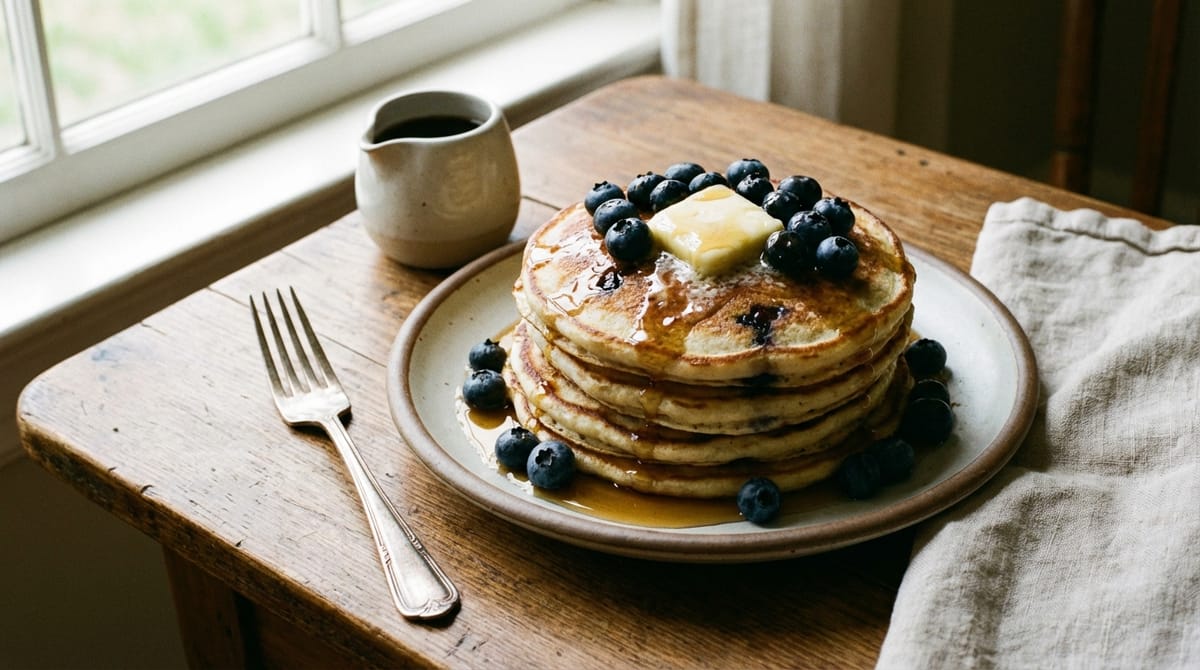
Blueberry buttermilk pancakes represent the pinnacle of breakfast comfort food - light, fluffy stacks studded with bursting berries and topped with a luxurious maple butter that melts into every golden layer. This classic combination transforms ordinary mornings into something special, whether you're cooking for family on a lazy weekend or impressing brunch guests with minimal effort.
The secret to exceptional pancakes lies in understanding a few key principles: the tangy buttermilk creates tender, moist pancakes with a subtle depth of flavor that plain milk simply cannot match. The acidity reacts with leavening agents to produce those coveted air pockets that make pancakes rise beautifully. Meanwhile, the maple butter - a simple yet transformative addition - elevates these pancakes from good to unforgettable, adding richness and sweetness that complements both the tartness of blueberries and the tang of buttermilk.
This recipe delivers consistently excellent results with straightforward techniques that work for both novice and experienced cooks. The batter comes together in minutes, and with proper temperature control, you'll achieve that perfect golden-brown exterior with a fluffy interior every single time.
Complete Recipe: Blueberry Buttermilk Pancakes with Maple Butter
Prep Time: 10 minutes | Cook Time: 20 minutes | Yield: 8 large pancakes
For the Maple Butter:
- 1/2 cup (115g) unsalted butter, softened to room temperature
- 3 tablespoons pure maple syrup
- 1/4 teaspoon ground cinnamon (optional)
For the Pancakes:
- 2 cups (250g) all-purpose flour
- 2 tablespoons granulated sugar
- 2 teaspoons baking powder
- 1 teaspoon baking soda
- 1/2 teaspoon salt
- 2 large eggs, lightly beaten
- 2 cups (480ml) buttermilk
- 1/4 cup (60g) unsalted butter, melted and slightly cooled
- 1 teaspoon vanilla extract
- 1 1/2 cups (225g) fresh or frozen blueberries
- Additional butter for cooking
For Serving:
- Pure maple syrup
- Extra fresh blueberries
- Additional maple butter
Instructions:
- Prepare the maple butter: Using an electric mixer or a fork, beat the softened butter until light and fluffy, approximately 2-3 minutes. Add the maple syrup and cinnamon (if using), continuing to beat until well combined and smooth. Set aside at room temperature while you prepare the pancakes. This can be made up to a week ahead and stored in the refrigerator.
- Mix the dry ingredients: In a medium mixing bowl, sift together the flour, sugar, baking powder, baking soda, and salt. Sifting ensures there are no lumps and helps create lighter pancakes.
- Combine the wet ingredients: In a large jug or separate bowl, whisk together the buttermilk, beaten eggs, melted butter, and vanilla extract until well combined.
- Create the batter: Pour the wet ingredients into the dry ingredients. Whisk gently until just combined - this is crucial. The batter should be slightly lumpy; overmixing develops gluten and results in tough, dense pancakes. A few small lumps of flour are perfectly fine and actually desirable.
- Rest the batter: Allow the batter to rest for 5 minutes. This resting period lets the leavening agents activate and the flour hydrate properly, resulting in fluffier pancakes.
- Add blueberries: Gently fold the blueberries into the batter, being careful not to overmix or crush the berries.
- Heat your cooking surface: Place a large non-stick frying pan or griddle over medium heat. Test the temperature by sprinkling a few drops of water on the surface - they should sizzle and evaporate within 2 seconds. Add about 1/2 teaspoon of butter and brush it across the cooking surface with a pastry brush.
- Cook the pancakes: Pour approximately 1/3 cup of batter per pancake onto the heated surface, spacing them apart to allow for spreading. Cook for 3-4 minutes until small bubbles form across the surface and the edges appear set and slightly dry. Flip carefully and cook for another 3-4 minutes until golden brown and cooked through.
- Keep warm: Transfer cooked pancakes to a plate and cover loosely with aluminum foil to keep warm while you cook the remaining batches. Add a small amount of butter to the pan between batches as needed.
- Serve immediately: Stack 2-3 pancakes on each plate. Top with a generous dollop of maple butter while the pancakes are still hot, allowing it to melt into the layers. Add fresh blueberries and drizzle with maple syrup. For extra indulgence, add a drizzle of cream and a light dusting of powdered sugar.
The Science Behind Perfect Buttermilk Pancakes
Understanding why buttermilk creates superior pancakes helps you appreciate this ingredient's importance and avoid substitutions that compromise results. Buttermilk's acidity, typically around pH 4.5, reacts with baking soda to produce carbon dioxide bubbles that make pancakes rise and create that characteristic fluffy texture. This chemical reaction begins immediately when wet and dry ingredients combine, which explains why you should cook the batter soon after mixing.
The lactic acid in buttermilk also tenderizes gluten strands in the flour, preventing the tough, rubbery texture that can plague pancakes made with regular milk. This is why buttermilk pancakes maintain their tender crumb even if you slightly overmix the batter - though you should still avoid this when possible. Additionally, buttermilk adds a subtle tangy flavor that balances the sweetness of maple syrup and sugar, creating a more complex and satisfying taste profile.
The combination of both baking powder and baking soda in this recipe isn't redundant - each serves a specific purpose. Baking powder provides the primary lift, while baking soda reacts with the buttermilk's acidity for additional rise and helps achieve that beautiful golden-brown color on the pancake surface.
Mastering Pancake Cooking Temperature
Temperature control separates mediocre pancakes from exceptional ones. Too hot, and you'll get pancakes that are burnt on the outside but raw in the middle. Too cool, and they'll be pale, tough, and greasy as they absorb excess butter.
Medium heat is your target - around 350°F if you're using an electric griddle with temperature control. For stovetop cooking, the water droplet test mentioned in the recipe provides reliable guidance. When water droplets dance across the surface and evaporate within 2 seconds, your pan is ready. If they evaporate instantly, reduce the heat slightly. If they sit and slowly boil away, increase the temperature.
Watch for visual cues while cooking. Bubbles should form across the entire surface of the pancake and begin to pop, leaving small holes. The edges should look dry and set rather than wet and glossy. These indicators tell you it's time to flip. Resist the urge to flip too early - pancakes only get flipped once for best results. Multiple flips deflate those precious air bubbles you worked to create.
Fresh Versus Frozen Blueberries
Both fresh and frozen blueberries work beautifully in this recipe, though each has distinct advantages. Fresh blueberries burst with juice when you bite into them, creating pockets of intense berry flavor throughout the pancakes. They hold their shape better during cooking and won't turn your batter an unappetizing blue-gray color before it hits the pan.
Frozen blueberries, however, are available year-round at consistent quality and often cost less than fresh berries. The key to using frozen blueberries successfully is to avoid thawing them first. Add them directly to the batter while still frozen - this prevents them from bleeding excessively into the batter and turning everything purple. Frozen berries may require an extra 30-60 seconds of cooking time since they lower the batter temperature slightly.
For the best of both worlds, consider using a combination: fold frozen berries into the batter for cooking, then top the finished pancakes with fresh berries for serving. This approach provides berry flavor throughout while maintaining visual appeal.
Creating the Perfect Maple Butter
Maple butter transforms ordinary pancakes into something restaurant-worthy with minimal effort. The key is starting with properly softened butter - it should be soft enough to spread easily but not melted or greasy. Room temperature butter (around 65-70°F) whips up light and fluffy, creating a spreadable consistency that melts beautifully over hot pancakes.
Use pure maple syrup rather than pancake syrup for maple butter. The difference is substantial - pure maple syrup has complex flavor notes including caramel, vanilla, and woodsy undertones that artificial syrups cannot replicate. Grade A Dark Amber (formerly Grade B) offers the most robust maple flavor, though any pure maple syrup works well.
The optional cinnamon addition creates a warming spice note that complements both maple and blueberry flavors beautifully. Some variations include a pinch of nutmeg or even a dash of bourbon for adult brunches. Maple butter keeps refrigerated for up to a week in an airtight container. Bring it back to room temperature before serving, or place a cold dollop on hot pancakes and let it soften naturally - both approaches work perfectly.
Common Pancake Mistakes and How to Avoid Them
Even experienced cooks sometimes struggle with pancakes. The most common mistake is overmixing the batter. When you vigorously whisk pancake batter until it's completely smooth, you develop the gluten in the flour, resulting in tough, chewy pancakes rather than tender, fluffy ones. Mix only until the ingredients are just combined - lumps are your friend here. Those small pockets of flour will hydrate during the resting period and disappear during cooking.
Another frequent error is flipping pancakes too soon or too often. Patience pays off - wait until bubbles form across the entire surface and the edges look set before flipping. Flipping too early results in misshapen pancakes that don't cook evenly. Multiple flips deflate the batter and create dense, flat pancakes.
Using butter that's too hot is another culprit behind disappointing pancakes. If you add melted butter directly from the stovetop into cold buttermilk and eggs, the temperature shock can cause the eggs to scramble slightly, creating an unpleasant texture. Always let melted butter cool for 2-3 minutes before adding it to the wet ingredients. Similarly, avoid cooking pancakes in butter that's smoking hot - it will burn before the pancakes cook through. A light coating of butter between batches provides flavor without greasiness.
Variations and Customization Options
This base recipe welcomes numerous variations to suit different preferences and seasonal availability. When stone fruits are in season, add sliced peaches or nectarines alongside the blueberries for a more complex fruit profile. The combination of tart blueberries and sweet, juicy peaches creates an exceptional flavor pairing.
For chocolate lovers, fold in chocolate chips instead of or in addition to blueberries. Dark chocolate complements the tangy buttermilk particularly well, while milk chocolate appeals to those with sweeter preferences. Toasted pecans or walnuts add pleasant crunch and nutty flavor - toast them lightly in a dry pan before chopping and adding to the batter.
Consider making a blueberry compote to serve alongside the maple butter. Simply simmer fresh or frozen blueberries with a tablespoon of sugar and a squeeze of lemon juice until the berries burst and the mixture thickens slightly. This creates an intense berry sauce that pairs beautifully with the subtle sweetness of the pancakes and the rich maple butter.
For a lighter topping option, whip heavy cream with a touch of maple syrup and vanilla extract until soft peaks form. This maple whipped cream provides richness without the heaviness of butter while echoing the maple flavor throughout the dish.
Make-Ahead and Storage Tips
While pancakes taste best fresh off the griddle, you can prepare components ahead for quicker breakfast assembly. The maple butter keeps refrigerated for up to a week and can even be frozen for up to three months. Portion it into tablespoon-sized dollops on parchment paper, freeze until solid, then transfer to a freezer bag for easy individual servings.
The dry ingredients can be measured and combined up to a week ahead, stored in an airtight container at room temperature. This pre-mixing saves time on busy mornings - simply add the wet ingredients when you're ready to cook.
Cooked pancakes freeze surprisingly well. Allow them to cool completely, then layer them between sheets of parchment paper in a freezer bag. They'll keep for up to two months. Reheat frozen pancakes in a toaster, toaster oven, or microwave. The toaster method produces the crispest exterior, while the microwave is fastest but creates softer pancakes.
For meal prep enthusiasts, consider making a double batch on Sunday and freezing portions for quick weekday breakfasts. Two pancakes per person in individual freezer bags make grab-and-go portions simple. Reheat directly from frozen - no thawing required.
Conclusion
Blueberry buttermilk pancakes with maple butter represent breakfast at its finest - comforting, delicious, and surprisingly simple to execute well. The tangy buttermilk creates tender, fluffy pancakes with complex flavor, while fresh blueberries add bursts of fruity brightness throughout. The maple butter ties everything together with rich, sweet notes that complement rather than overwhelm.
Success with this recipe comes down to a few key principles: don't overmix the batter, maintain proper cooking temperature, and resist the urge to flip too early. Master these basics, and you'll produce consistently excellent pancakes that rival any restaurant version. The recipe welcomes customization with different fruits, nuts, or chocolate, making it adaptable to various preferences and seasonal ingredients.
Whether you're cooking for a special occasion brunch or simply want to elevate a weekday breakfast, these pancakes deliver impressive results with accessible ingredients and straightforward techniques. The maple butter alone is worth the minimal extra effort, transforming good pancakes into memorable ones. Make a batch this weekend, and you'll understand why this combination has remained a breakfast favorite for generations.
Sources
- SBS Food - Buttermilk Pancakes with Blueberries and Spiced Maple Butter
- The Carousel - Annabel Karmel's Buttermilk Blueberry Pancakes
- Well Made by Kiley - Brown Butter Blueberry Buttermilk Pancakes
- OttoChef - Blueberry Buttermilk Pancakes with Maple Butter
- Foodal - Blueberry Buttermilk Pancakes
- Noshing with the Nolands - Blueberry Buttermilk Pancakes
- Food Network - Buttermilk Pancakes with Berry Butter
- Sticky Mud and Belly Laughs - Blueberry and Buttermilk Pancakes
- Food Faith Fitness - Buttermilk Blueberry Pancakes