Classic Belgian Waffles with Whipped Cream and Berries
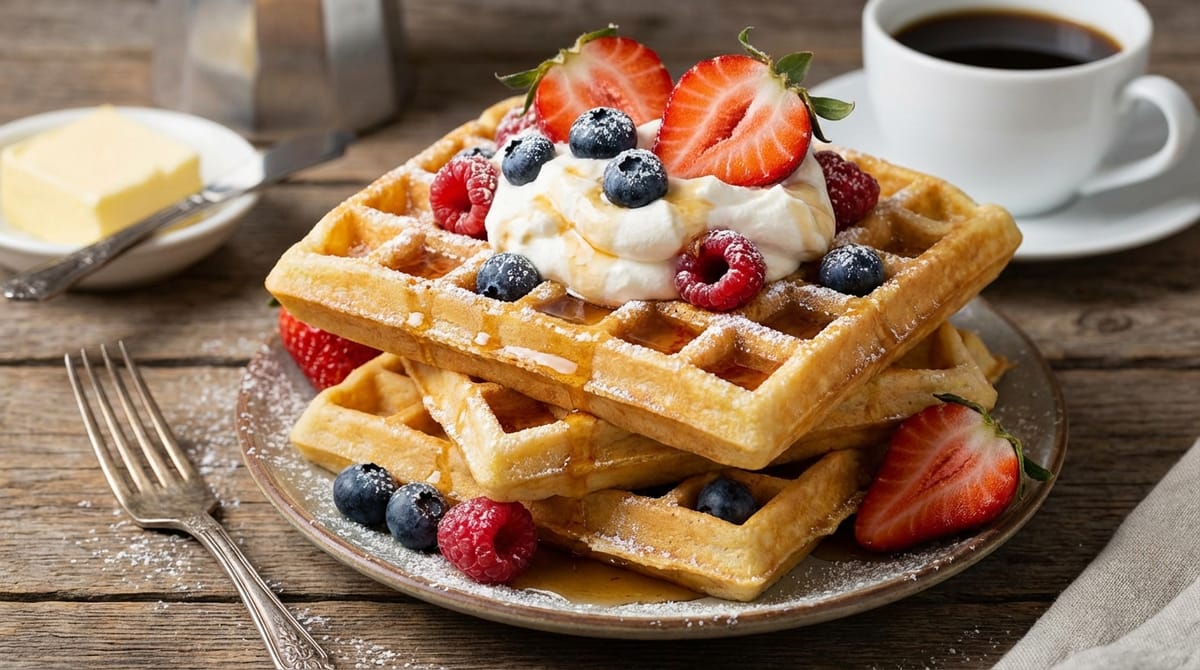
Belgian waffles stand apart from their American counterparts through their distinctive deep pockets, crispy golden exteriors, and remarkably light, airy interiors. This beloved breakfast treat originated in Belgium and has become a worldwide phenomenon, gracing brunch tables and dessert menus across continents. The secret to authentic Belgian waffles lies not just in the waffle iron used, but in the careful preparation of a yeast-leavened batter that creates those characteristic large, deep squares perfect for holding pools of whipped cream and fresh berries.
The combination of Belgian waffles with whipped cream and berries represents more than just a delicious breakfast - it's a culinary experience that balances textures and flavors with remarkable precision. The contrast between the warm, crispy waffle and cool, silky whipped cream creates a sensory delight, while fresh berries add bursts of tartness that cut through the richness. Whether you're planning an elegant brunch, a special weekend breakfast, or even a dessert option, mastering this classic preparation will elevate your cooking repertoire.
Creating authentic Belgian waffles requires understanding the fundamental differences in technique compared to standard waffle recipes. The use of yeast rather than just baking powder, the incorporation of beaten egg whites, and the proper resting time all contribute to achieving that signature texture that makes Belgian waffles so memorable.
The Classic Belgian Waffle Recipe
This authentic recipe yields approximately 6-8 Belgian waffles, depending on the size of your waffle iron. The preparation time requires about 1 hour and 15 minutes, including resting time for the batter.
Ingredients
- 2 1/4 teaspoons active dry yeast (one standard packet)
- 1/4 cup warm milk (for activating yeast)
- 2 3/4 cups warm milk (additional)
- 3 eggs, separated
- 3/4 cup unsalted butter, melted and slightly cooled
- 1/2 cup granulated sugar
- 3/4 teaspoon salt
- 1 1/2 teaspoons vanilla extract
- 4 cups all-purpose flour
For the Berry Cream Topping
- 1 cup heavy whipping cream
- 1/4 cup powdered sugar
- 1 teaspoon vanilla bean paste or vanilla extract
- 2 cups sliced fresh strawberries
- 1/2 cup fresh blueberries
- Additional berries for garnish (raspberries, blackberries optional)
- Powdered sugar for dusting
Preparation Steps
- Begin by activating the yeast. In a small bowl, combine the active dry yeast with 1/4 cup warm milk (around 110°F). Let this mixture stand for about 5 minutes until it becomes foamy, indicating the yeast is active.
- In a large mixing bowl, whisk together the remaining 2 3/4 cups warm milk, egg yolks (reserve the whites), melted butter, granulated sugar, salt, and vanilla extract until well combined.
- Add the activated yeast mixture to the wet ingredients and stir thoroughly.
- Gradually incorporate the flour into the wet mixture, stirring until you achieve a smooth batter. The consistency should be slightly thicker than pancake batter but still pourable.
- Cover the bowl with a clean kitchen towel or plastic wrap and let the batter rest in a warm location for approximately 1 hour. The batter should nearly double in size as the yeast works its wonder.
- Just before cooking, beat the reserved egg whites in a separate clean bowl using an electric mixer on high speed until stiff peaks form. This typically takes 2-3 minutes.
- Gently fold the beaten egg whites into the rested batter using a spatula. Use a folding motion rather than stirring to preserve the airiness of the whites.
- Preheat your Belgian waffle iron according to the manufacturer's instructions. If your iron doesn't have a non-stick coating, lightly brush it with melted butter or spray with cooking spray.
- Pour the appropriate amount of batter onto the hot waffle iron (usually about 3/4 to 1 cup, depending on iron size). Close the lid and cook for approximately 4-5 minutes, or until the waffle is golden brown and steaming has stopped.
- Carefully remove the waffle and place it on a wire rack if serving later, or on a plate if serving immediately. Repeat with remaining batter.
Understanding the Role of Yeast in Belgian Waffles
The defining characteristic that separates authentic Belgian waffles from standard American waffles is the use of yeast as a leavening agent. While many quick waffle recipes rely solely on baking powder for lift, traditional Belgian waffles incorporate active dry yeast, which requires time to ferment and develop. This fermentation process creates several important effects that contribute to the waffle's distinctive qualities.
Yeast produces carbon dioxide gas as it feeds on the sugars in the batter, creating tiny air pockets throughout the mixture. These air pockets expand during cooking, resulting in a waffle with an exceptionally light and airy interior despite its substantial appearance. The fermentation also develops complex flavors that simple chemical leaveners cannot replicate, adding a subtle depth and slight tanginess to the finished waffle.
The resting period for yeast-leavened batter is not optional - it's essential for achieving authentic results. During this hour-long rest, the yeast activates and multiplies, the gluten in the flour relaxes, and flavors develop. Rushing this step will result in dense, flat waffles that lack the characteristic texture Belgian waffles are known for. Plan your timing accordingly, allowing the full hour for the batter to rise before cooking.
Mastering the Egg White Technique
The incorporation of beaten egg whites represents another crucial technique that elevates Belgian waffles from good to exceptional. This step might seem fussy, but it makes a remarkable difference in the final texture. When egg whites are beaten to stiff peaks and carefully folded into the batter just before cooking, they introduce additional air that creates an even lighter, more delicate crumb structure.
To achieve perfect stiff peaks, ensure your mixing bowl and beaters are completely clean and free from any grease or residue. Even a small amount of fat can prevent egg whites from reaching their full volume. Beat the whites on high speed, starting slowly and gradually increasing the speed. You'll know you've reached stiff peaks when you lift the beaters and the whites form peaks that stand straight up without drooping.
The folding technique matters just as much as the beating. Use a large rubber spatula and a gentle touch. Cut down through the center of the batter, sweep along the bottom of the bowl, and bring the spatula up along the side, folding the batter over the egg whites. Rotate the bowl a quarter turn and repeat. Continue this motion until no white streaks remain, but avoid over-mixing, which will deflate the whites and negate all your careful work.
Preparing the Perfect Whipped Cream and Berry Topping
The whipped cream and berry topping transforms Belgian waffles from a simple breakfast into an indulgent treat. Fresh whipped cream, made from heavy cream rather than purchased in a canister, provides a luxurious texture and pure flavor that complements the waffles beautifully. Start with cold heavy whipping cream - the colder, the better. Many bakers chill their mixing bowl and beaters in the freezer for 10-15 minutes before whipping.
Pour the cold cream into the chilled bowl and add powdered sugar and vanilla. Powdered sugar dissolves more readily than granulated sugar and helps stabilize the whipped cream. Beat on medium-high speed, watching carefully. The cream will progress through several stages: it will begin to thicken, then form soft peaks that curl over when you lift the beaters, and finally reach stiff peaks that hold their shape. The entire process takes just 2-3 minutes, so don't walk away. Over-beaten cream will become grainy and eventually turn into butter.
For the berry component, fresh is always best when berries are in season. Strawberries should be hulled and sliced, while blueberries, raspberries, and blackberries can be left whole. Some recipes incorporate the berries directly into the whipped cream by folding them in gently, creating a berry cream that marbles beautifully. Others prefer to keep the components separate, spooning whipped cream onto the waffle first, then topping with fresh berries. Both approaches work wonderfully - the choice is purely aesthetic and personal preference.
Creating a Berry Compote Variation
While fresh berries provide bright, vibrant flavor, a warm berry compote offers a different experience that's particularly appealing during cooler months or when fresh berries are less available. A compote concentrates the berry flavors through gentle cooking, creating a sauce that's both sweet and slightly tart, with a consistency that pools beautifully in the waffle's deep pockets.
To make a simple berry compote, combine 2 cups of mixed berries (blueberries, blackberries, strawberries, and raspberries work excellently together) in a medium saucepan with 1/4 cup granulated sugar and 1 tablespoon fresh lemon juice. Heat over medium heat, stirring occasionally, until the berries begin to break down and release their juices, about 5-7 minutes. The mixture will thicken slightly as it cooks. Some berries will remain whole while others break apart, creating a pleasing texture with both fruit pieces and syrupy liquid.
The lemon juice serves multiple purposes in a berry compote. It brightens the overall flavor, preventing the compote from tasting flat or overly sweet. The acid also helps preserve the berries' vibrant color and balances the sweetness. You can adjust the sugar quantity based on the natural sweetness of your berries and personal preference. The compote can be made ahead and refrigerated for up to three days, then gently reheated before serving, making it an excellent option for meal prep or entertaining.
Choosing and Using the Right Waffle Iron
The waffle iron you use significantly impacts your results. Authentic Belgian waffle irons create waffles with deeper pockets and larger squares compared to standard American waffle makers. These deeper pockets aren't just aesthetic - they provide more surface area for crisping and create better vessels for holding toppings. Belgian waffle irons typically produce thicker waffles, often 3/4 to 1 inch thick, compared to the thinner American style.
When shopping for a Belgian waffle iron, look for models with adjustable temperature controls, which allow you to fine-tune the cooking process. A non-stick coating is highly desirable, as it makes removal easier and requires less added fat. Some premium models feature indicator lights that signal when the iron is preheated and when the waffle is done cooking, taking the guesswork out of the process.
Proper preheating is essential for achieving crispy exteriors. Allow your waffle iron to heat for at least 5 minutes before adding the first batch of batter. The iron should be thoroughly hot to create immediate sizzle when the batter hits the surface. This initial sear creates the crispy exterior while the interior remains light and fluffy. Resist the temptation to open the iron too early - wait until steaming has substantially decreased, which typically takes 4-5 minutes. Opening too soon can cause the waffle to tear or stick.
Serving Suggestions and Presentation Tips
Presentation elevates Belgian waffles from everyday breakfast to special occasion fare. For the most impressive presentation, place a warm waffle on a plate and immediately top with a generous dollop of freshly whipped cream. The slight warmth of the waffle will begin to soften the cream, creating an appealing visual contrast. Arrange fresh berries artfully over and around the cream, using a variety of colors for visual interest - the deep blue of blueberries, bright red of strawberries, and dark purple of blackberries create a stunning palette.
A light dusting of powdered sugar through a fine-mesh sieve adds an elegant finishing touch that photographs beautifully. Apply this just before serving, as the sugar will dissolve into the cream and berries if left too long. For special occasions, consider adding a sprig of fresh mint as a garnish, which adds a pop of green and a subtle aromatic element.
Timing matters when serving Belgian waffles. They're best enjoyed immediately after cooking when the exterior is at its crispiest. If you're making multiple waffles for a group, you can keep finished waffles warm in a 200°F oven placed directly on the oven rack (not on a baking sheet, which would make the bottom soggy). However, they'll gradually lose some crispness, so try to minimize holding time. For brunches or gatherings, consider setting up a waffle station where you cook to order, allowing guests to enjoy each waffle at its peak.
Troubleshooting Common Belgian Waffle Issues
Even experienced cooks occasionally encounter challenges when making Belgian waffles. Understanding common problems and their solutions ensures consistent success. If your waffles are turning out dense rather than light and airy, the issue likely relates to the yeast or egg whites. Ensure your yeast is fresh and properly activated - if it doesn't foam during the initial proofing step, it's dead and needs to be replaced. Similarly, egg whites must be beaten to proper stiff peaks and folded in gently to maintain their volume.
Waffles that stick to the iron despite a non-stick coating usually indicate insufficient preheating or not enough fat in the batter. Make sure the iron is thoroughly hot before adding batter. If sticking persists, lightly brush the iron with melted butter before each waffle, even if it's non-stick. Conversely, if your waffles are greasy, you may be using too much butter in the batter or over-greasing the iron.
Pale, soft waffles that lack the characteristic golden-brown exterior and crispy texture typically result from insufficient cooking time or temperature. Resist opening the waffle iron too early - wait for the steaming to substantially decrease. If your iron has temperature controls, try increasing the heat slightly. Different irons vary in their heating characteristics, so you may need to experiment to find the optimal setting for your specific model.
Conclusion
Mastering classic Belgian waffles with whipped cream and berries requires attention to technique, quality ingredients, and proper timing, but the results justify every bit of effort. The combination of yeast-leavened batter and beaten egg whites creates waffles with an incomparable texture - crispy and golden on the outside, light and airy within. When topped with billowy whipped cream and fresh, vibrant berries, these waffles become more than just breakfast; they're an experience that delights all the senses.
The beauty of this recipe lies in its versatility. While the classic combination of whipped cream and fresh berries remains timelessly appealing, the foundation of perfectly made Belgian waffles adapts to countless variations. You might experiment with different berry combinations based on seasonal availability, create warm compotes for cooler weather, or explore other topping options entirely. Regardless of how you choose to serve them, the fundamental techniques - activating yeast properly, folding in beaten egg whites carefully, and cooking in a well-heated iron - remain constant.
Whether you're preparing a special weekend breakfast for family, hosting an elegant brunch for friends, or simply treating yourself to something extraordinary, these Belgian waffles deliver satisfaction that quick, shortcut recipes simply cannot match. The investment of time and technique pays dividends in flavor, texture, and the simple pleasure of creating something truly exceptional in your own kitchen.
Sources
- Wish Farms - Authentic Belgium Waffles with Berries
- Toine's Kitchen - Brussels Waffles Recipe
- Food.com - Belgian Waffles
- Food Network - Sugar Waffles with Berries and Whipped Cream
- Betty Crocker - Belgian Waffles with Berry Cream
- Disney Parks - Belgian Waffles with Berry Compote
- Ovomaltine - Belgian Waffle with Berries
- The Art of Food and Wine - Homemade Belgian Waffles