Classic Reuben with Corned Beef and Russian Dressing
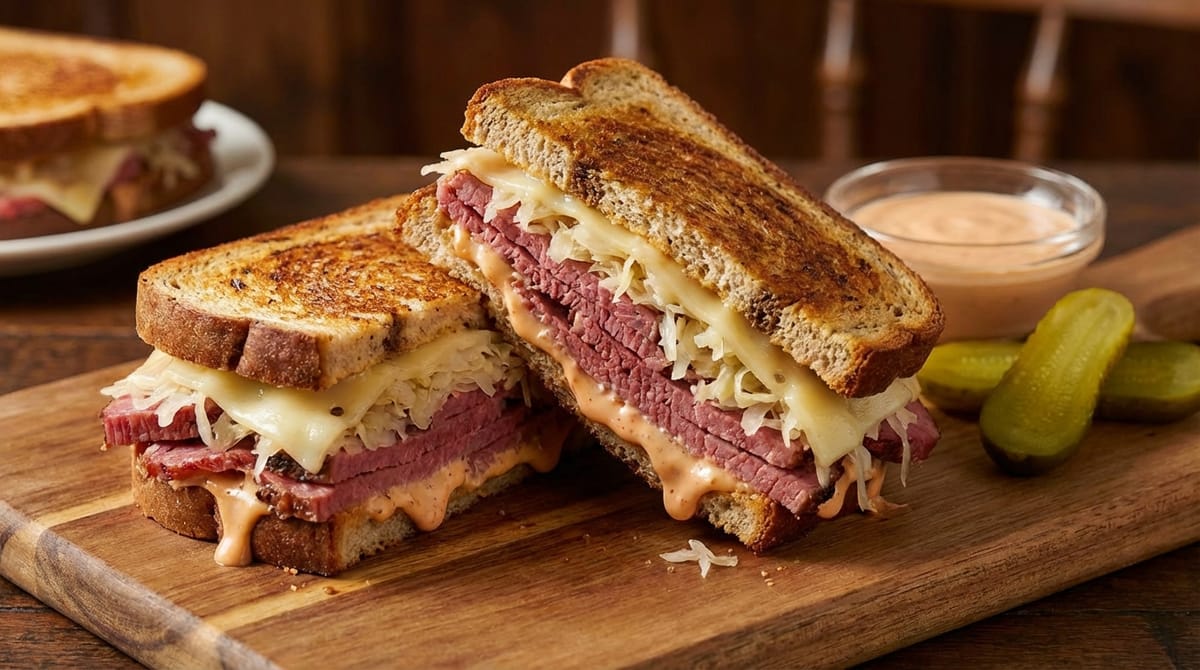
Few sandwiches command the same respect and devotion as the Reuben. This towering creation of corned beef, tangy sauerkraut, melted Swiss cheese, and zesty Russian dressing pressed between slices of rye bread represents the pinnacle of American deli cuisine. Whether you're craving comfort food or looking to recreate a restaurant favorite at home, the Reuben delivers layers of complementary flavors and textures that transform simple ingredients into something extraordinary.
The beauty of a classic Reuben lies in its perfect balance. The rich, salty corned beef contrasts with sharp sauerkraut, while creamy Russian dressing ties everything together. Melted Swiss cheese adds nutty richness, and toasted rye bread provides the sturdy, flavorful foundation. Despite its restaurant-quality appeal, this sandwich is surprisingly straightforward to prepare in your own kitchen with the right technique and attention to detail.
Understanding the components and mastering the assembly process will elevate your Reuben from good to exceptional. From selecting quality ingredients to achieving that golden-brown exterior with perfectly melted cheese, each step contributes to the final result. This guide covers everything you need to know to create an authentic Reuben sandwich that rivals your favorite delicatessen.
Classic Reuben Sandwich Recipe
This recipe yields two generous sandwiches, perfect for a satisfying lunch or dinner. The homemade Russian dressing can be prepared in advance and stored in the refrigerator for up to a week, making future sandwich assembly even quicker.
Ingredients
For the Russian Dressing:
- 1/2 cup mayonnaise
- 2 tablespoons chili sauce
- 2 tablespoons India relish (or sweet pickle relish)
- 2 tablespoons finely diced red onion
- 1 tablespoon prepared horseradish
- 1 teaspoon hot sauce
- 1/2 teaspoon smoked paprika
For the Sandwiches:
- 4 slices rye bread (or marbled rye)
- 1/2 pound corned beef, thinly sliced
- 8 slices Swiss cheese
- 1/2 cup sauerkraut, well-drained
- 4 teaspoons unsalted butter, softened
Instructions
- Prepare the Russian dressing by combining mayonnaise, chili sauce, India relish, diced red onion, horseradish, hot sauce, and smoked paprika in a small bowl. Mix thoroughly until well blended. Set aside or refrigerate if making ahead.
- Drain the sauerkraut thoroughly by pressing it in a fine-mesh strainer or squeezing it in a clean kitchen towel to remove excess moisture. This prevents soggy bread.
- Butter one side of each bread slice with softened butter, using approximately one teaspoon per slice.
- Heat a large skillet or griddle over medium heat. Add a small amount of butter and warm the corned beef for 4-6 minutes, moving it around occasionally until heated through.
- Place two bread slices in the skillet, buttered side down. Spread one tablespoon of Russian dressing on the unbuttered side of each slice.
- Layer two slices of Swiss cheese on each bread slice in the pan, followed by half of the drained sauerkraut on each.
- Divide the warmed corned beef evenly between the two sandwiches, then top each with two more slices of Swiss cheese.
- Spread Russian dressing on the unbuttered side of the remaining bread slices and place them on top of the sandwiches, buttered side facing up.
- Grill over medium-low heat for 4-5 minutes per side, pressing down gently with a spatula, until both sides are golden brown and the cheese is fully melted.
- Remove from heat, slice diagonally if desired, and serve immediately while hot.
The Origins and History of the Reuben
The Reuben sandwich has two competing origin stories, both claiming to be the authentic birthplace of this beloved creation. The first attributes the sandwich to Reuben Kulakofsky, a grocer in Omaha, Nebraska, who supposedly created it during a poker game at the Blackstone Hotel in the 1920s. According to this version, Kulakofsky's creation used Thousand Island dressing, which was itself invented in New York City.
The second origin story credits Reuben's Delicatessen in New York City with the sandwich's invention, claiming they used Russian dressing rather than Thousand Island. This version states that Russian dressing, despite its name, was actually created in New Hampshire. Regardless of which story holds more truth, both versions agree on the core components: corned beef, Swiss cheese, sauerkraut, and a creamy, tangy dressing on rye bread.
What remains undisputed is that the Reuben became a staple of American delicatessens and diners throughout the mid-20th century. Its popularity spread across the country, becoming particularly associated with Jewish delis and St. Patrick's Day celebrations. Today, it stands as one of the most recognizable and frequently ordered sandwiches in American cuisine.
Russian Dressing vs. Thousand Island: Understanding the Difference
The debate between Russian dressing and Thousand Island dressing continues among Reuben enthusiasts, with passionate advocates on both sides. While these condiments share similarities, they have distinct flavor profiles that affect the final sandwich experience.
Russian dressing typically features a zesty, spicier character with mayonnaise as its base, combined with chili sauce, horseradish, and onions. The horseradish provides a sharp kick that cuts through the richness of the corned beef and cheese, while the chili sauce adds depth and slight heat. This dressing tends to be smoother in texture and more assertive in flavor.
Thousand Island dressing, by contrast, offers a sweeter profile. It combines mayonnaise with bread and butter pickles, pimentos, hard-boiled eggs, and chili sauce. The result is a chunkier, milder condiment with more sweetness and less bite. While both dressings work beautifully in a Reuben, Russian dressing is often considered more traditional and provides better balance against the salty corned beef and tangy sauerkraut.
The choice ultimately comes down to personal preference. Those who prefer bolder, spicier flavors tend to favor Russian dressing, while those who enjoy sweeter, mellower notes often choose Thousand Island. Some delis even offer both options, allowing customers to customize their experience.
Selecting the Best Ingredients
Quality ingredients make the difference between an average Reuben and an exceptional one. Starting with the corned beef, seek out freshly sliced meat from a deli counter rather than pre-packaged options. Request thin slicing for the best texture and easier eating. Lean corned beef works well, though some prefer a bit of marbling for added richness and moisture. Plan on approximately 4 ounces of corned beef per sandwich, which typically translates to 6-7 thin slices.
The bread choice significantly impacts the sandwich structure and flavor. Traditional rye bread provides the classic taste, with its distinctive caraway seeds and dense texture. Marbled rye, which swirls light rye and pumpernickel together, offers visual appeal and a slightly more complex flavor. Pumpernickel alone works as well, providing a darker, earthier taste. Fresh bread from a bakery will always surpass pre-sliced supermarket varieties in both flavor and texture.
Swiss cheese remains the standard choice for good reason. Its mild, nutty flavor complements rather than competes with the other ingredients, and it melts beautifully. For an elevated version, consider Gruyere, which offers similar melting properties with a more sophisticated, slightly sharper taste. Use thinly sliced cheese and plan for four slices per sandwich, divided into two layers for optimal melting and coverage.
Sauerkraut quality varies dramatically between brands. Look for refrigerated sauerkraut in the deli section rather than shelf-stable canned versions. Better yet, if you have access to homemade sauerkraut, it will provide superior flavor and texture. The key is ensuring proper drainage before assembly - excess moisture is the enemy of a crispy, well-grilled Reuben.
Mastering the Grilling Technique
The cooking method separates a mediocre Reuben from a truly great one. The goal is achieving golden-brown, crispy bread exterior while ensuring the cheese melts completely and the fillings heat through without burning the bread or leaving cold spots.
Temperature control is crucial. Medium to medium-low heat works best, providing enough warmth to toast the bread and melt the cheese without scorching. A cast iron skillet, flat-top griddle, or grill griddle all work excellently, with cast iron offering superior heat retention and distribution. Preheat your cooking surface for several minutes before starting.
Warming the corned beef separately before assembly ensures even heating throughout the sandwich. Add butter to your cooking surface and heat the meat for 4-6 minutes, moving it around periodically. This step prevents the center of your sandwich from remaining cold while the exterior browns.
When grilling the assembled sandwich, resist the urge to press down too hard with your spatula. Gentle pressure helps the sandwich compress slightly and promotes even contact with the cooking surface, but excessive pressure squeezes out the dressing and juices. Each side requires approximately 4-5 minutes over medium-low heat. Watch for the telltale signs of readiness: golden-brown bread and cheese beginning to ooze from the sides.
Some cooks prefer covering the sandwich with a metal bowl or lid during cooking to trap heat and encourage faster cheese melting. This technique works particularly well if your fillings are generous and need extra time to heat through without over-toasting the bread.
Variations and Creative Twists
While the classic Reuben formula is hard to improve upon, several variations have earned their own followings. The Turkey Reuben substitutes roasted turkey for corned beef, creating a lighter version that works wonderfully for using up Thanksgiving leftovers. This variation often incorporates a quick homemade sauerkraut made from thinly sliced Napa or Savoy cabbage simmered with apple cider, vinegar, mustard seeds, and beer, offering a fresher, less fermented taste.
The Rachel sandwich replaces corned beef with pastrami and sometimes swaps sauerkraut for coleslaw, creating a different but equally delicious experience. Pastrami's smokier, more heavily spiced profile changes the sandwich's character while maintaining the same structural concept.
For those seeking additional richness, some variations add an extra layer of flavor by incorporating caramelized onions alongside the sauerkraut. Others experiment with different cheese options, such as aged cheddar or fontina, though these departures from Swiss cheese create a distinctly different sandwich that purists might not recognize as a true Reuben.
Serving Suggestions and Accompaniments
A Reuben sandwich is substantial enough to serve as a complete meal, but the right accompaniments enhance the experience. Traditional deli-style accompaniments include dill pickle spears, which provide acidic crunch that cleanses the palate between bites. Potato chips or crispy fries offer textural contrast to the soft, melty sandwich interior.
For a lighter side, coleslaw works beautifully, particularly a vinegar-based version that echoes the tangy notes in the sauerkraut. A simple green salad with a sharp vinaigrette also complements the rich sandwich without competing for attention.
Beverage pairings depend on the occasion. For casual meals, craft beer is a natural match - particularly lagers, pilsners, or amber ales that can stand up to the bold flavors without overwhelming them. For non-alcoholic options, consider unsweetened iced tea, sparkling water with lemon, or a crisp apple cider.
The Reuben can be enjoyed hot or cold, though most people prefer it grilled. If serving at a gathering, consider cutting the sandwiches into halves or quarters for easier handling and to allow guests to sample other items as well.
Storage and Make-Ahead Tips
While Reubens are best enjoyed immediately after grilling, you can prepare components in advance to streamline the cooking process. The Russian dressing keeps well in an airtight container in the refrigerator for up to one week, and some argue it tastes even better after the flavors have time to meld overnight.
Drain your sauerkraut ahead of time and store it in a covered container in the refrigerator. Pre-sliced corned beef should be used within 3-4 days of purchase for optimal freshness and food safety. Store it wrapped tightly in plastic wrap or in an airtight container.
If you need to hold assembled but uncooked sandwiches for a short period, wrap them tightly in plastic wrap and refrigerate for no more than a few hours. The bread may absorb some moisture from the fillings, so immediate cooking after assembly produces the best results.
Leftover grilled Reubens don't reheat particularly well, as the bread tends to become soggy and the textures deteriorate. If you must reheat, use a skillet over medium-low heat rather than a microwave to maintain some crispness in the bread.
Conclusion
The classic Reuben sandwich represents the perfect marriage of flavors, textures, and techniques. Its enduring popularity stems from the way each component enhances the others - the salty corned beef, tangy sauerkraut, creamy Russian dressing, nutty Swiss cheese, and hearty rye bread create something greater than the sum of their parts. While the sandwich's origins may be disputed, its place in American culinary culture is secure.
Making an exceptional Reuben at home requires attention to ingredient quality, proper preparation techniques, and careful cooking. By selecting fresh deli-sliced corned beef, draining sauerkraut thoroughly, preparing homemade Russian dressing, and mastering the grilling process, you can create a sandwich that rivals any restaurant version. The key lies in balance - ensuring each ingredient contributes without overwhelming the others, and achieving that perfect contrast between crispy exterior and melty interior.
Whether you're celebrating St. Patrick's Day, using up leftover corned beef, or simply craving a satisfying deli-style sandwich, the Reuben delivers every time. With this guide's techniques and insights, you're equipped to create this iconic sandwich with confidence, bringing a taste of classic American deli tradition into your own kitchen.
Sources
- Dave's Killer Bread - Classic Reuben Sandwich
- La Brea Bakery - Classic Reuben Sandwich
- Cup of Yum - Classic Reuben Sandwich
- AP News - Turkey Reuben Sandwich
- The Daring Gourmet - Reuben Sandwich
- Saving Room for Dessert - Reuben Sandwich Recipe
- Billy Parisi - Classic Reuben Sandwich Recipe
- The Beach House Kitchen - Classic Reuben Sandwich
- Grill Seeker - Ultimate Reuben Sandwich