Classic Smash Burgers with American Cheese and Special Sauce
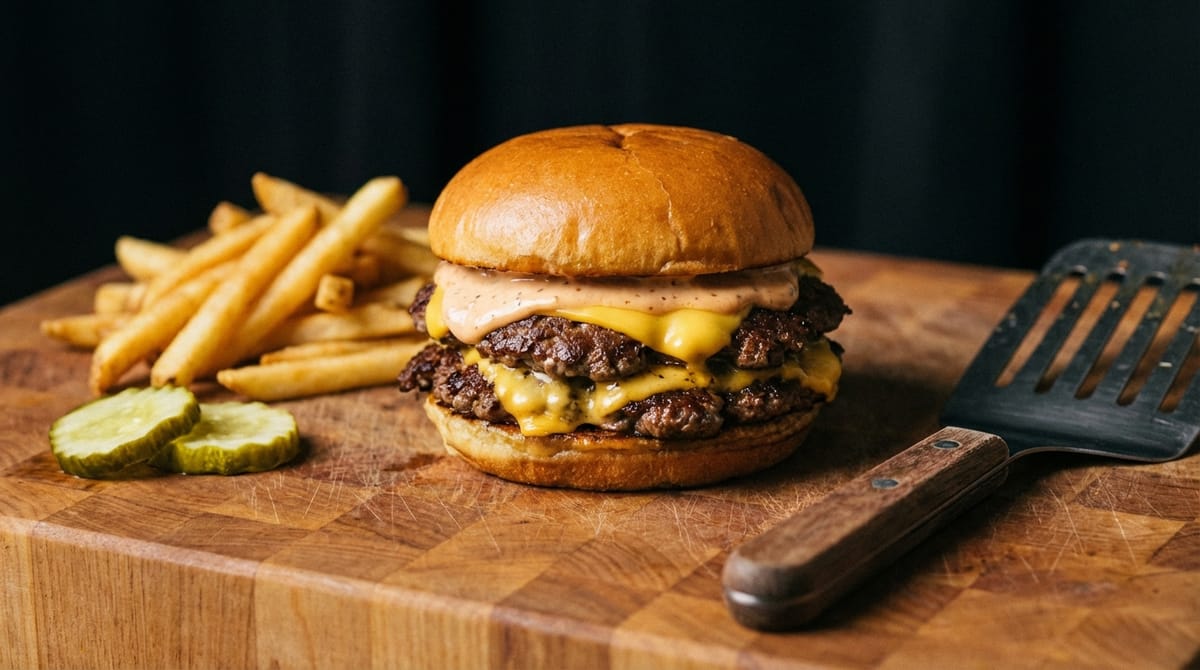
Smash burgers have revolutionized home cooking by delivering restaurant-quality results with minimal equipment and maximum flavor. The technique is deceptively simple: press seasoned beef balls onto a scorching hot surface until they develop a deeply caramelized, crispy crust that locks in juices while creating irresistible texture. This method produces burgers that rival any diner or burger joint, with lacy, crispy edges and a tender interior that stays moist despite the high heat.
The charm of a proper smash burger lies in the Maillard reaction - the chemical process that creates complex flavors when proteins and sugars interact under high heat. Unlike thick, grilled burgers that rely on char marks for flavor, smash burgers maximize surface contact with the cooking surface, creating an extensive crust that delivers savory, beefy flavor in every bite. When topped with melted American cheese and a tangy special sauce, these burgers become something truly exceptional.
This comprehensive guide will walk you through every step of creating perfect smash burgers at home, from selecting the right beef to mastering the smashing technique. You'll learn how to make a restaurant-quality special sauce, achieve that coveted crispy crust, and assemble burgers that will have your family asking for seconds.
The Complete Smash Burger Recipe
This recipe yields four double-patty burgers, each featuring two thin, crispy patties with melted American cheese, fresh toppings, and a tangy special sauce. The entire process takes about 20 minutes from start to finish, making it perfect for weeknight dinners or weekend gatherings.
Ingredients
- 1.5 to 2 pounds ground beef (80/20 lean-to-fat ratio)
- 8 slices American cheese
- 4 hamburger buns (brioche or sesame seed recommended)
- Kosher salt
- Freshly ground black pepper
- Garlic powder
- Paprika
- 2 tablespoons butter (for toasting buns)
- Shredded iceberg lettuce
- Thinly sliced white onion
- Hamburger pickle chips or dill pickle slices
- Sliced vine-ripe tomatoes (optional)
Special Sauce Ingredients
- 1/2 cup mayonnaise
- 2 tablespoons ketchup
- 1 tablespoon yellow mustard
- 1 tablespoon white vinegar
- 1 teaspoon Worcestershire sauce
- 1 teaspoon garlic powder
- 1 teaspoon onion powder
- 1/2 teaspoon paprika
- 1 tablespoon grated yellow onion (optional)
- Dash of hot sauce (optional)
Preparation Steps
- Prepare the special sauce by whisking together mayonnaise, ketchup, mustard, white vinegar, Worcestershire sauce, garlic powder, onion powder, and paprika in a small bowl. Add grated onion and hot sauce if desired. Refrigerate while preparing the burgers to allow flavors to meld.
- Divide the ground beef into 8 equal portions, rolling each into a loose ball approximately 3 ounces each. Handle the meat gently to avoid compacting it - loose balls smash better and create more texture. Refrigerate the balls for 10-15 minutes to help them hold their shape.
- Preheat a cast iron skillet, griddle, or flat-top cooking surface over high heat until it's extremely hot. The surface should be hot enough that a drop of water instantly sizzles and evaporates.
- While the cooking surface heats, prepare your toppings: shred the lettuce, slice the onions thinly, and have pickles and tomatoes ready. Slice the buns if not pre-sliced.
- Toast the buns by spreading butter on the cut sides and placing them butter-side down on the hot cooking surface until golden brown. Remove and set aside.
- Place a beef ball on the hot cooking surface and immediately press down firmly with a large, flat spatula for 3-4 seconds. Use a second spatula or a burger press for maximum pressure - you want the patty as thin as possible, ideally about 1/4 inch thick with irregular, lacy edges.
- Season the patty generously with kosher salt, black pepper, garlic powder, and paprika. Let cook undisturbed for 2-3 minutes until a deep brown crust forms on the bottom.
- Flip the patty with a firm scraping motion to release the crust from the cooking surface. Immediately top with a slice of American cheese. Cook for an additional 30-60 seconds until the cheese begins to melt.
- Repeat the process with a second patty, stacking it on top of the first to create a double patty with cheese between the layers. Add another slice of cheese on top of the second patty.
- Assemble the burger by spreading special sauce on both the top and bottom buns. Place the double patty stack on the bottom bun, then layer with lettuce, onion, pickles, and tomato if using. Top with the other bun half.
- Repeat the cooking process for the remaining burgers, working in batches if your cooking surface cannot accommodate multiple patties at once.
Choosing the Right Ground Beef
The foundation of any great smash burger is the beef itself, and the fat content makes all the difference. An 80/20 blend - meaning 80% lean meat to 20% fat - is the gold standard for smash burgers. This ratio provides enough fat to keep the patties juicy and flavorful while creating that essential crispy crust. Leaner beef simply won't deliver the same results; it tends to dry out under high heat and lacks the richness that makes smash burgers so satisfying.
Certified Angus Beef or other high-quality ground chuck works exceptionally well for this application. The beef should be fresh, bright red in color, and cold when you begin working with it. Avoid pre-formed patties entirely - they're too compact and won't smash properly. Instead, purchase ground beef in bulk and form your own loose balls just before cooking. The loose structure is crucial because it allows the meat to spread and develop those characteristic crispy, lacy edges when pressed.
Temperature matters significantly when handling the beef. Keep the meat refrigerated until you're ready to form the balls, and consider chilling the formed balls for 10-15 minutes before cooking. This brief rest helps them maintain their shape when you first place them on the hot surface, giving you those critical few seconds to execute a proper smash before they begin to cook through.
Mastering the Special Sauce
The special sauce is what elevates a good smash burger to an unforgettable one. This tangy, creamy condiment combines the richness of mayonnaise with the brightness of vinegar and mustard, creating a complex flavor profile that complements the beefy patties without overwhelming them. The sauce shares DNA with Thousand Island dressing and classic burger shop sauces, but the specific ratios and additions make it uniquely suited to smash burgers.
The base of mayonnaise and ketchup provides creaminess and subtle sweetness, while yellow mustard adds tang and a slight bite. White vinegar brightens the entire mixture, cutting through the richness of the beef and cheese. Worcestershire sauce contributes umami depth that enhances the meat's savory qualities. The trio of garlic powder, onion powder, and paprika adds aromatic complexity and a hint of smokiness that ties everything together.
For best results, prepare the sauce at least 30 minutes before serving, or even the day before. This resting period allows the dried spices to rehydrate and the flavors to marry, creating a more cohesive and balanced sauce. The optional additions of grated fresh onion and hot sauce can take the sauce in different directions - fresh onion adds texture and sharp bite, while hot sauce introduces heat that some burger enthusiasts crave. Store any leftover sauce in an airtight container in the refrigerator for up to one week.
The Smashing Technique
Proper smashing technique is the defining skill that separates mediocre burgers from extraordinary ones. The goal is to create maximum surface contact between the beef and the cooking surface in the shortest time possible, before the meat cooks through and loses its malleability. This requires confidence, the right tools, and a cooking surface that's screaming hot.
Use a large, flat metal spatula - the bigger and sturdier, the better. Some cooks prefer a dedicated burger smasher or press, which can apply more even pressure across the entire patty. Place the beef ball on the cooking surface and immediately press down with firm, steady pressure for 3-4 seconds. Don't be timid - you want to flatten that ball to about 1/4 inch thickness, creating irregular edges that will crisp up beautifully. Some resistance is normal, but if the meat isn't spreading easily, your surface isn't hot enough.
Timing is everything. Season the patty immediately after smashing, while it's still raw on top. Then resist the urge to move it. Let the patty sit undisturbed for 2-3 minutes while the crust develops. You'll know it's ready to flip when you can slide the spatula underneath without resistance - if it's sticking, give it another 30 seconds. When you do flip, use a firm scraping motion to release every bit of that precious crust from the pan. That caramelized layer is where most of the flavor lives, so you don't want to leave any behind.
Selecting and Preparing the Buns
The bun plays a more important role than many home cooks realize. It needs to be sturdy enough to hold up to the juicy patties and sauce without falling apart, yet soft enough to compress slightly when you bite down, allowing all the components to meld together in your mouth. Two styles work particularly well for smash burgers: brioche buns and classic sesame seed hamburger buns.
Brioche buns bring a subtle sweetness and buttery richness that complements the savory beef beautifully. Their slightly denser texture holds up well to moisture, and they toast to a gorgeous golden brown. Sesame seed buns offer a more traditional burger experience with a neutral flavor that lets the beef and toppings shine. They're typically softer than brioche, with a lighter texture that some prefer. White hamburger buns work well too, especially if you're going for an old-school diner aesthetic.
Toasting the buns is non-negotiable. This step creates a barrier that helps prevent the bread from becoming soggy, adds textural contrast, and introduces another layer of flavor through caramelization. Spread softened butter on the cut sides of each bun and place them butter-side down on your hot cooking surface. Toast for 60-90 seconds until golden brown with some darker spots. The buns should be crispy on the surface but still soft inside. Toast them just before you start cooking the patties so they're still warm when you assemble the burgers.
Cheese Selection and Melting
American cheese is the undisputed champion for smash burgers, and there are solid reasons why it remains the standard despite the availability of countless artisanal alternatives. American cheese melts at a lower temperature than most natural cheeses, creating that signature smooth, creamy texture that drapes over the patties like a blanket. It doesn't break or become greasy under high heat, and its mild, salty flavor enhances rather than competes with the beef.
The key to perfect cheese melt is timing and residual heat. Add the first slice of cheese immediately after flipping the first patty - it will begin melting from the heat of the meat and the cooking surface. When you stack the second patty on top, the cheese gets trapped between the two pieces of meat, creating a gooey center that stays molten. Add the second slice of cheese on top of the second patty during the final 30 seconds of cooking, giving it just enough time to soften and begin melting without fully liquefying.
If you prefer alternatives to American cheese, cheddar offers sharper flavor but doesn't melt quite as smoothly. Pepper jack adds a spicy kick that pairs well with the special sauce. Swiss provides nutty notes and melts reasonably well. Whatever cheese you choose, use real cheese slices rather than spreads or sauces - you want that distinct layer of melted cheese that pulls slightly when you bite into the burger.
Toppings and Assembly Strategy
The classic smash burger topping combination has been refined over decades of diner cooking: shredded iceberg lettuce, thinly sliced white onion, and pickle chips. Each component serves a specific purpose beyond just adding volume. Iceberg lettuce provides cool, crisp contrast to the hot, rich patties. Its mild flavor doesn't interfere with the beef, and its high water content offers refreshing relief from the intensity of the meat and cheese.
Thinly sliced white onion adds sharp bite and a slight crunch that cuts through the richness. Raw onion is traditional, but you can caramelize the onions for a sweeter, more mellow flavor if you prefer. Pickle chips contribute essential acidity and brininess that balance the fatty beef and creamy sauce. Dill pickles are most common, but bread-and-butter pickles work if you like a touch of sweetness. Tomato slices are optional but add juiciness and fresh flavor, especially during summer months when tomatoes are at their peak.
Assembly order matters for both structural integrity and flavor distribution. Start with the bottom bun and spread a generous layer of special sauce. This creates a moisture barrier while ensuring you get sauce in every bite. Add the double patty stack with its melted cheese. Layer the lettuce next - it acts as another barrier between the hot meat and the top bun. Add onion and pickles, then tomato if using. Spread more sauce on the top bun before placing it on the burger. This two-sauce approach ensures you get that tangy flavor throughout the entire burger, not just at the bottom.
Equipment and Cooking Surface Options
While you don't need specialized equipment to make excellent smash burgers, your cooking surface significantly impacts the results. A cast iron skillet is the most accessible option for home cooks and delivers outstanding results. Cast iron retains heat exceptionally well, maintaining temperature even when you add cold meat to the surface. A 12-inch skillet can accommodate two patties at a time, allowing you to cook burgers in efficient batches. Make sure the skillet is well-seasoned to prevent sticking and facilitate easy flipping.
A flat-top griddle or electric griddle offers more cooking space, letting you prepare multiple burgers simultaneously. This is ideal if you're cooking for a crowd. The large, flat surface makes it easy to press the patties and provides plenty of room for toasting buns at the same time. Outdoor flat-top grills have become increasingly popular and work beautifully for smash burgers, adding a subtle smoky element from any ambient smoke.
Your spatula is just as important as your cooking surface. Invest in a large, flat metal spatula with a sturdy handle and a thin, sharp edge. The thin edge is crucial for sliding under the crust and releasing it cleanly from the pan. Some cooks use two spatulas - one for pressing and one for flipping - which can make the process more efficient. A burger press or bacon press can help you apply more even, consistent pressure when smashing, though it's not essential if you have a good spatula and aren't afraid to use some force.
Conclusion
Mastering the smash burger technique opens up a world of quick, satisfying meals that rival anything you'd get at a restaurant. The combination of crispy, caramelized beef, melted American cheese, and tangy special sauce creates a flavor profile that's both nostalgic and craveable. By following the techniques outlined in this guide - using the right beef, achieving proper heat, executing confident smashes, and layering components thoughtfully - you can consistently produce exceptional burgers in your own kitchen.
The beauty of smash burgers lies in their simplicity and speed. Unlike thick burgers that require careful temperature monitoring to avoid overcooking, smash burgers cook in minutes and are nearly impossible to mess up once you understand the basic principles. The high heat and thin patties mean they're done almost as soon as they develop that crucial crust. This makes them perfect for weeknight dinners when you want something special without spending an hour at the stove.
Remember that practice makes perfect. Your first few attempts might not produce the exact results you're hoping for, but the technique becomes intuitive quickly. Pay attention to your cooking surface temperature, don't be timid when pressing the patties, and let the crust develop fully before flipping. With these fundamentals in place, you'll be turning out diner-quality smash burgers that will have everyone asking for your secret.