Corned Beef Hash with Over-Easy Eggs: A Complete Guide
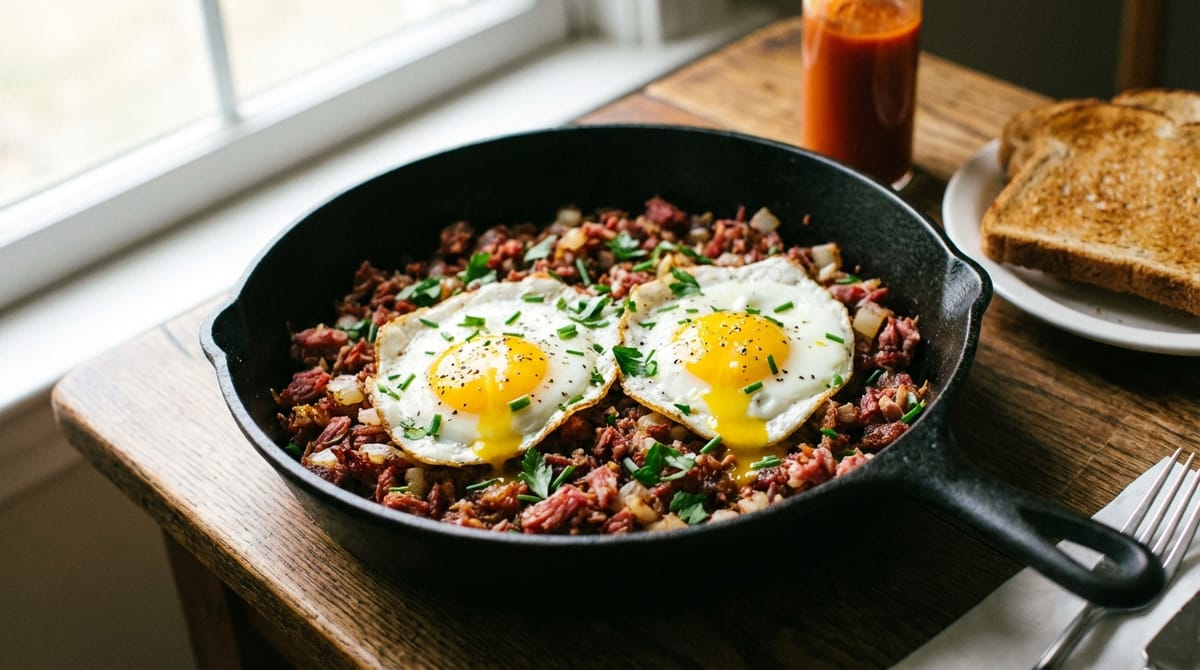
Few breakfast dishes deliver the same level of comfort and satisfaction as a well-made corned beef hash topped with over-easy eggs. The combination of crispy, golden potatoes mingled with savory chunks of corned beef, all crowned with eggs that release their rich, runny yolks when pierced, creates a meal that feels both indulgent and nourishing. This classic American breakfast has earned its place on diner menus and home kitchen tables for good reason - it transforms simple ingredients into something extraordinary.
What makes this dish particularly appealing is its versatility and practicality. Whether you're using leftover corned beef from a St. Patrick's Day feast or starting fresh with quality deli meat, the hash comes together in a single skillet with minimal fuss. The technique of cooking everything in one pan, then either nestling eggs directly into wells in the hash or frying them separately, means less cleanup and more time to enjoy your meal. The key lies in achieving that perfect contrast between crispy exterior and tender interior, with eggs cooked just right so the yolks add a luxurious sauce to every bite.
Beyond its delicious flavor profile, corned beef hash represents the best of resourceful cooking - taking humble ingredients and elevating them through proper technique. This guide will walk you through everything you need to know, from selecting the right potatoes to mastering the perfect over-easy egg, ensuring your hash turns out restaurant-quality every single time.
The Complete Recipe: Ingredients and Instructions
This recipe serves 4 people and takes approximately 45 minutes from start to finish, with most of that time being hands-on cooking to achieve the ideal crispy texture.
Ingredients:
- 2 pounds russet potatoes, diced into small cubes
- 8-14 ounces cooked corned beef, chopped into bite-sized pieces
- 1 medium yellow onion, diced
- 1 red bell pepper, diced
- 4-5 garlic cloves, minced
- 2-4 tablespoons unsalted butter or olive oil
- 4 large eggs
- 2 green onions, sliced (light and dark parts separated)
- 1 teaspoon dried mustard
- 3/4 teaspoon dried thyme
- 1/2 teaspoon garlic powder
- Salt and black pepper to taste
- 1 tablespoon Worcestershire sauce (optional)
- Fresh parsley for garnish
Instructions:
- Prepare your potatoes by dicing them into uniform small cubes, approximately 1/2 inch. If using fresh potatoes, rinse them in cold water and pat completely dry to remove excess starch, which helps achieve better crispiness.
- Heat 2-3 tablespoons of butter or olive oil in a large cast iron or heavy-bottomed skillet over medium heat. Cast iron works particularly well for achieving an even, crispy crust.
- Add the diced potatoes to the hot skillet and cook undisturbed for about 5 minutes to develop a golden crust on one side. Then stir and continue cooking for another 5-10 minutes until the potatoes start to soften and brown on multiple sides.
- Add the diced onion and bell pepper to the skillet, stirring to combine. Cook for about 5 minutes until the onion becomes translucent and the peppers soften.
- Stir in the minced garlic and cook for 1 minute until fragrant, being careful not to let it burn.
- Add the chopped corned beef, light green parts of the green onions, dried mustard, thyme, and garlic powder. Stir everything together and cook for 5 minutes, allowing the corned beef to heat through and the flavors to meld. Press down occasionally with your spatula to encourage crispiness on the bottom.
- Season the hash with salt and pepper to taste, keeping in mind that corned beef is already quite salty. If desired, add Worcestershire sauce for extra depth of flavor.
- For the eggs, you have two options: create 4 wells in the hash mixture and crack an egg into each well, then cover the skillet and cook for 4-5 minutes until whites are set but yolks remain runny. Alternatively, cook the eggs separately in another skillet with a bit of butter over medium heat for 2-3 minutes for perfect over-easy eggs with crispy edges and runny centers.
- Garnish with the dark green parts of the green onions and fresh chopped parsley. Serve immediately while hot.
Choosing the Right Potatoes and Corned Beef
The foundation of exceptional corned beef hash starts with selecting the proper ingredients. Russet potatoes are the gold standard for this dish because of their high starch content and low moisture level. When cooked, they develop a fluffy interior while achieving that coveted crispy, golden exterior that defines great hash. Their neutral flavor also allows the savory corned beef and seasonings to shine without competing for attention.
Yukon Gold potatoes offer an alternative if you prefer a creamier texture with a slightly buttery flavor. They contain more moisture than russets, which means they won't get quite as crispy, but they hold their shape well and add richness to the dish. Avoid waxy potatoes like red potatoes or fingerlings, as they tend to stay firm and don't develop the right texture for hash.
When it comes to corned beef, quality matters significantly. Leftover homemade corned beef from a traditional boiled dinner provides the best flavor and texture - it's tender, well-seasoned, and breaks apart beautifully into chunks. If you don't have leftovers, purchasing corned beef from a deli counter gives you control over thickness and quality. Ask for thick slices that you can dice yourself rather than pre-shredded meat. Canned corned beef works in a pinch, but it has a distinctly different texture and tends to be saltier and more processed. If using canned, look for brands with recognizable ingredients and adjust your added salt accordingly.
Mastering the Perfect Over-Easy Egg
The over-easy egg is the crowning glory of corned beef hash, and getting it right requires understanding a few key techniques. An over-easy egg should have fully set whites with no translucent, runny parts, while the yolk remains completely liquid and runny. This differs from sunny-side-up eggs, which are never flipped, and over-medium or over-hard eggs, where the yolk is partially or fully cooked.
To cook perfect over-easy eggs separately from your hash, heat a non-stick or well-seasoned cast iron skillet over medium heat with about a tablespoon of butter. The butter should foam but not brown. Crack each egg into a small cup first - this allows you to check for shell fragments and gives you better control when adding it to the pan. Gently slide the egg from the cup into the hot butter. Let it cook undisturbed for about 2 minutes until the whites are mostly set but still slightly jiggly on top.
Here's where technique becomes crucial: using a thin, flexible spatula, gently slide it under the entire egg, making sure it's completely released from the pan. In one smooth, confident motion, flip the egg over. Cook for just 15-30 seconds - you're simply setting that thin layer of white on top of the yolk, not cooking the yolk itself. Immediately slide the egg onto your plate of hash. The residual heat will continue cooking it slightly, so err on the side of undercooking rather than overcooking.
Alternatively, you can cook the eggs directly in wells created in the hash. This method is more forgiving because the eggs cook more gently and evenly. After creating four indentations in your finished hash, crack an egg into each well, cover the skillet, and let them cook for about 5 minutes. The steam helps set the whites while the indirect heat keeps the yolks runny. This technique also means one less pan to wash.
Achieving Maximum Crispiness
The texture contrast in great corned beef hash - crispy, golden exterior with tender interior - separates mediocre versions from memorable ones. Several factors contribute to achieving this ideal texture, starting with moisture management. Excess moisture is the enemy of crispiness, so if you're using fresh potatoes, rinse them after dicing to remove surface starch, then thoroughly pat them dry with paper towels or a clean kitchen towel. Even a small amount of water clinging to the potatoes will create steam rather than allowing proper browning.
If using frozen shredded potatoes, thaw them completely and squeeze out as much liquid as possible using a clean towel or cheesecloth. Frozen potatoes contain significant moisture from the freezing process, and removing it is essential for achieving crispy results.
Your cooking fat choice and quantity also matter. Butter provides incredible flavor and helps with browning, but it has a lower smoke point than oil. Using a combination of butter and olive oil gives you the best of both worlds - the flavor of butter with the higher heat tolerance of oil. Don't be shy with the fat; you need enough to coat the bottom of the pan and create that golden crust. Two to three tablespoons is typical for a large skillet.
Temperature control is equally important. Medium to medium-high heat allows the potatoes to brown without burning. If your heat is too low, the potatoes will steam and become mushy. Too high, and the outside burns before the inside cooks through. Cast iron skillets excel at hash because they retain and distribute heat evenly, creating consistent browning across the entire surface.
Finally, resist the urge to stir constantly. Let the hash sit undisturbed for several minutes at a time to develop that crispy crust on the bottom. When you do stir, use a spatula to flip sections over, exposing new surfaces to the hot pan. Some cooks deliberately press down on the hash with their spatula to increase contact with the pan and enhance crispiness.
Flavor Variations and Customizations
While classic corned beef hash is delicious on its own, the dish welcomes creative variations that can match your taste preferences or use what you have on hand. Adding cheese transforms the hash into an even more indulgent meal. Monterey Jack melts beautifully and adds creaminess without overwhelming other flavors, while pepper jack brings a spicy kick. Sharp cheddar provides a tangy contrast to the rich corned beef. Sprinkle shredded cheese over the hash during the last few minutes of cooking and let it melt into the mixture.
Vegetables beyond the standard onions and peppers can add nutrition and variety. Diced carrots and celery echo the traditional accompaniments to boiled corned beef and cabbage. Leftover cooked cabbage itself can be chopped and stirred into the hash, adding a slight sweetness and more authentic corned beef dinner flavor. Fresh spinach or kale wilts quickly when stirred in at the end, adding color and nutrients. Some cooks add jalapeños or poblano peppers for heat, or mushrooms for an earthy, umami-rich component.
Seasoning adjustments can dramatically change the flavor profile. A splash of hot sauce, whether traditional Louisiana-style or trendy chili crisp, adds heat and complexity. Whole grain mustard stirred in at the end provides tang and texture. Fresh herbs like thyme, rosemary, or parsley brighten the rich, heavy flavors. A squeeze of fresh lemon juice right before serving cuts through the richness and adds unexpected brightness.
For those who want to experiment beyond traditional corned beef, pastrami makes an excellent substitute with its peppery, smoky flavor. Leftover brisket, pot roast, or even ground beef can work in a pinch, though they'll create a different flavor profile. Vegetarians can create a satisfying version using plant-based meat alternatives or focusing on mushrooms and additional vegetables.
Serving Suggestions and Accompaniments
Corned beef hash with over-easy eggs is substantial enough to stand alone as a complete breakfast, but thoughtful accompaniments can elevate the meal. Toast is the traditional partner - white, wheat, or sourdough all work beautifully for soaking up runny yolk and any crispy bits from the pan. Buttered toast provides richness, while dry toast offers textural contrast.
Hot sauce is practically mandatory for many hash enthusiasts. Classic options like Tabasco or Crystal provide vinegary heat that cuts through the richness. More contemporary choices like sriracha, gochujang, or chili crisp add different flavor dimensions. Ketchup might seem pedestrian, but its sweet-tart profile complements the savory hash surprisingly well.
Fresh fruit on the side provides a refreshing contrast to the heavy, savory main dish. Sliced oranges, grapefruit segments, or fresh berries offer acidity and sweetness that cleanse the palate between bites. A small side salad with a sharp vinaigrette works for brunch service when hash becomes more of a lunch item.
Coffee is the beverage of choice for most hash lovers - its bitterness and roasted notes pair naturally with the dish's savory flavors. For a more substantial brunch spread, consider Bloody Marys or mimosas, which provide acidity and brightness alongside the rich hash.
Storage, Reheating, and Make-Ahead Tips
Corned beef hash stores well, making it an excellent candidate for meal prep or using up leftovers. The hash mixture itself (without eggs) can be refrigerated in an airtight container for up to four days. When ready to serve, reheat it in a skillet over medium heat with a bit of additional butter or oil, pressing it down to re-crisp the bottom. This actually works to your advantage, as reheated hash often develops even more crispy bits than freshly made.
You can also freeze the cooked hash for up to three months. Spread it in a single layer on a baking sheet and freeze until solid, then transfer to freezer bags. This prevents it from freezing into one solid block and allows you to remove only what you need. Reheat from frozen in a skillet, adding a splash of water or broth and covering initially to help it thaw, then removing the lid to crisp it up.
For make-ahead meal prep, consider preparing the hash mixture through the point where everything is combined but not fully crisped. Store it refrigerated, then finish cooking it in the skillet when ready to serve. This gives you most of the convenience of fully prepared hash while ensuring the best possible texture. Cook the eggs fresh each time - they only take a few minutes and don't reheat well.
If you're serving a crowd for brunch, you can keep finished hash warm in a 200-degree oven while you cook eggs in batches. Spread the hash on a baking sheet rather than piling it in a dish to prevent it from steaming and losing its crispiness.
Conclusion
Corned beef hash with over-easy eggs represents comfort food at its finest - simple ingredients transformed through proper technique into a deeply satisfying meal. The key elements that make this dish successful are achieving crispy, golden potatoes through moisture management and proper heat control, using quality corned beef that's well-seasoned and tender, and mastering the over-easy egg so the runny yolk becomes a luxurious sauce for the hash. Whether you're using leftovers from a holiday meal or starting fresh with ingredients from the store, this one-skillet wonder delivers maximum flavor with minimal fuss.
The beauty of this dish lies not just in its delicious taste but in its flexibility. You can adapt it to your preferences with different vegetables, cheeses, or seasonings, cook the eggs directly in the hash or separately for different textures, and make it ahead for easy weekday breakfasts or serve it fresh for a special brunch. Once you master the basic technique, you'll find yourself returning to this recipe again and again, perhaps developing your own signature variations.
With the guidance provided here - from ingredient selection through cooking techniques to storage tips - you have everything needed to create restaurant-quality corned beef hash in your own kitchen. The combination of crispy potatoes, savory meat, and that perfect runny egg yolk is worth every minute of cooking time.