Fluffy Buttermilk Biscuits with Sausage Gravy Recipe
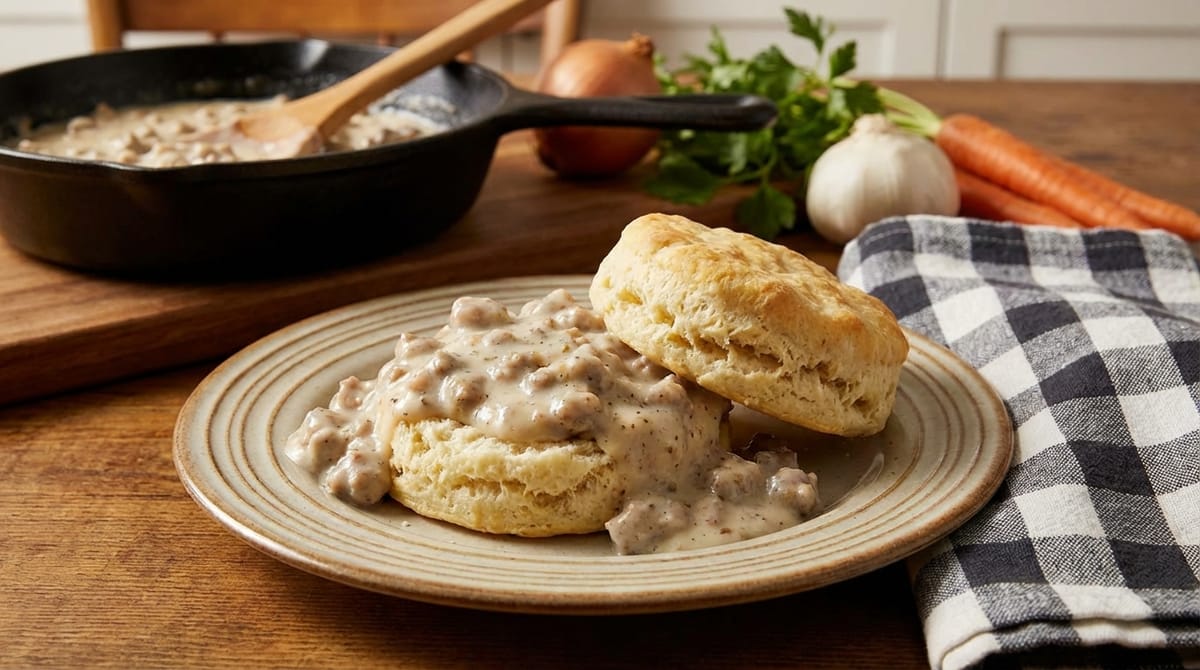
Southern biscuits and gravy represents more than just breakfast - it's a celebration of comfort food at its finest. This dish combines flaky, tender buttermilk biscuits with rich, peppery sausage gravy that transforms simple pantry staples into something extraordinary. Whether you're planning a special holiday brunch or simply craving a hearty weekend breakfast, mastering this classic will earn you a permanent spot as the family's favorite cook.
The beauty of this recipe lies in its accessibility. Despite its reputation as a restaurant favorite, biscuits and gravy requires only basic ingredients you likely already have in your kitchen. The technique matters more than fancy equipment or exotic components. Once you understand the fundamentals - keeping your butter cold, not overworking the dough, and building a proper gravy base - you'll find yourself making this dish again and again for both breakfast and dinner.
This guide walks you through every step of creating restaurant-quality biscuits and gravy at home, from selecting the right flour to achieving that perfect gravy consistency. You'll learn the secrets that separate mediocre biscuits from the tall, fluffy versions that practically melt on your tongue, plus how to craft a sausage gravy so flavorful that it becomes the star of your breakfast table.
The Complete Biscuits and Sausage Gravy Recipe
This recipe yields 8-10 servings and takes approximately 50 minutes from start to finish. The key to success lies in working quickly with cold ingredients for the biscuits and building layers of flavor in the gravy.
Ingredients for Buttermilk Biscuits
- 2 cups all-purpose flour, plus extra for rolling
- 2 tablespoons baking powder
- 1/2 teaspoon salt
- 1/2 teaspoon baking soda
- 6 tablespoons cold unsalted butter, cut into small pieces
- 1 cup plus 2 tablespoons buttermilk, cold
- 3 tablespoons heavy cream for brushing
- Fresh ground black pepper for topping
- Oil or melted butter for dipping (optional)
Ingredients for Sausage Gravy
- 1 pound breakfast pork sausage (regular or sage)
- 3 tablespoons unsalted butter, room temperature
- 1/3 to 3/4 cup all-purpose flour
- 4 cups whole milk
- 1 teaspoon salt
- 1 teaspoon freshly ground black pepper, or more to taste
Instructions for Biscuits
- Preheat your oven to 425°F (or 500°F for a faster bake - adjust timing accordingly). Line a baking sheet with parchment paper.
- In a large mixing bowl, whisk together the flour, baking powder, salt, and baking soda until evenly combined.
- Add the cold butter pieces to the flour mixture. Using a pastry cutter, two forks, or your fingertips, work the butter into the flour until the mixture resembles coarse crumbs with some pea-sized butter pieces remaining. Work quickly to keep the butter cold.
- In a separate small bowl, stir the baking soda into the cold buttermilk until dissolved.
- Pour the buttermilk mixture into the flour mixture all at once. Stir gently with a fork or wooden spoon just until the dough comes together. The dough should be slightly sticky but manageable. Do not overmix.
- Turn the dough out onto a generously floured surface. With floured hands, gently pat or roll the dough to about 3/4 to 1 inch thickness. Avoid overworking the dough.
- Using a 2 to 3-inch biscuit cutter dipped in flour, cut straight down through the dough without twisting. Twisting the cutter seals the edges and prevents proper rising. Place biscuits on the prepared baking sheet, spacing them about 1 inch apart.
- Gather scraps gently, pat out again, and cut additional biscuits. These second-cut biscuits won't rise quite as high but will still be delicious.
- Brush the tops of biscuits with heavy cream and sprinkle with freshly ground black pepper. Alternatively, dip each biscuit in melted butter or oil to coat all sides before placing on the baking sheet.
- Bake for 12-15 minutes at 425°F (or 8-10 minutes at 500°F) until the tops are golden brown. Watch closely to prevent burning.
Instructions for Sausage Gravy
- While biscuits bake, heat a large skillet over medium heat. Add the sausage and cook, breaking it into small crumbles with a wooden spoon or spatula, until fully browned and cooked through, about 10 minutes.
- Using a slotted spoon, transfer the cooked sausage to a paper towel-lined bowl, leaving the drippings in the skillet. You should have about 2-3 tablespoons of drippings.
- Add the butter to the skillet with the drippings and let it melt over medium heat.
- Sprinkle the flour over the butter and drippings. Whisk constantly for about 1 minute to create a roux, cooking out the raw flour taste. The mixture should be smooth and slightly golden.
- Gradually pour in 2 cups of milk while whisking constantly to prevent lumps. Continue whisking until the mixture begins to thicken, about 2-3 minutes.
- Add the remaining 2 cups of milk and continue stirring. Bring the gravy to a gentle simmer and cook until it reaches your desired thickness, about 5 minutes total. Keep stirring and scraping the bottom of the skillet to prevent scorching.
- Season with salt and black pepper to taste. Start with the recommended amounts and adjust based on your preference and the saltiness of your sausage.
- Return the cooked sausage to the skillet and stir until fully combined and heated through.
- Split the warm biscuits in half horizontally and ladle generous portions of sausage gravy over the top. Serve immediately while hot.
Understanding the Science Behind Perfect Biscuits
The secret to achieving those coveted tall, flaky biscuits lies in understanding the role each ingredient plays and how they interact during baking. Cold butter creates the flaky layers that make biscuits irresistible. When cold butter hits the hot oven, it releases steam as it melts, creating pockets of air that separate the dough into delicate layers. This is why recipes emphasize keeping butter refrigerated until the moment you need it, and why some bakers even freeze their butter and grate it into the flour.
Baking powder serves as the primary leavening agent, and the full 2 tablespoons isn't excessive - it's essential for achieving significant height. When combined with the acidity of buttermilk and the additional boost from baking soda, you create a powerful leavening system that produces biscuits that rise dramatically in the oven. The chemical reaction between the acidic buttermilk and the alkaline baking soda generates carbon dioxide bubbles that expand during baking, pushing the dough upward.
The mixing technique matters just as much as the ingredients. Overworking biscuit dough develops gluten strands in the flour, which creates a tough, dense texture instead of the tender crumb you're after. This is why recipes instruct you to mix just until combined and handle the dough as little as possible. Similarly, when cutting biscuits, pressing straight down without twisting prevents sealing the edges, allowing the layers to separate and rise freely during baking.
Selecting Your Ingredients Wisely
All-purpose flour forms the foundation of both your biscuits and gravy, but not all flours perform identically. Southern all-purpose flours like White Lily contain less protein than Northern brands, resulting in more tender biscuits. If you can't find Southern flour, cake flour makes an acceptable substitute for part of the all-purpose flour, creating a similar tender texture. For a slightly heartier biscuit with added nutrition, you can replace up to half a cup of all-purpose flour with whole wheat pastry flour without significantly compromising texture.
Buttermilk contributes both tenderness and tang to your biscuits. The acidity tenderizes the gluten in flour while adding a subtle flavor complexity that distinguishes homemade biscuits from bland commercial versions. Real buttermilk produces superior results, but if you don't have it on hand, you can create a substitute by adding 1 tablespoon of lemon juice or white vinegar to 1 cup of regular milk and letting it sit for 5 minutes.
The sausage you choose dramatically impacts your gravy's flavor profile. Breakfast pork sausage comes in regular and sage varieties, both of which work beautifully. The sage version adds an herbal note that many find irresistible, while regular sausage provides a straightforward, meaty flavor. Some cooks prefer making their own sausage blend with ground meat seasoned with black pepper, salt, garlic powder, cayenne, paprika, red pepper flakes, fresh rosemary, thyme, sage, brown sugar, and fennel. This allows complete control over spice levels and flavor balance. Turkey sausage offers a leaner alternative, though it produces slightly less flavorful drippings for your gravy base.
Whole milk creates the richest, most luxurious gravy texture. The fat content contributes to the velvety mouthfeel that makes sausage gravy so satisfying. While 2% milk works in a pinch, skim milk produces thin, watery gravy that lacks the body and richness this dish deserves. If you want to indulge fully, replacing one cup of the milk with heavy cream takes the richness to another level.
Mastering Gravy Consistency and Flavor
Creating perfect sausage gravy requires understanding the roux - the mixture of fat and flour that thickens the gravy and gives it body. The ratio of flour to liquid determines your final consistency. A thinner gravy uses about 1/3 cup flour to 4 cups milk, while a thicker, more substantial gravy might use up to 3/4 cup flour. Most cooks find that 1/3 to 1/2 cup flour strikes the ideal balance, creating gravy thick enough to coat the biscuits without being gloppy.
The cooking time for your roux matters more than many realize. Whisking the flour into the butter and drippings for a full minute before adding milk cooks out the raw flour taste that can make gravy seem pasty or starchy. This step also helps the flour molecules swell and prepare to absorb the milk efficiently, reducing the risk of lumps. When you do add the milk, pour it gradually while whisking constantly. Adding all the liquid at once makes lumps almost inevitable.
Seasoning sausage gravy properly requires a generous hand with black pepper. This isn't a subtle, delicately seasoned sauce - it should have a pronounced peppery bite that cuts through the richness of the milk and sausage. Start with a full teaspoon of freshly ground black pepper and taste before adding more. Salt requires more caution since breakfast sausage already contains significant sodium. Season conservatively at first, then adjust after the sausage has been stirred back into the gravy.
If your gravy becomes too thick, thin it with additional milk, adding just a quarter cup at a time until you reach the desired consistency. Conversely, if it's too thin, simmer it a few minutes longer to allow more moisture to evaporate, or whisk together a tablespoon of flour with a quarter cup of milk and stir this slurry into the simmering gravy. For those who enjoy heat, a dash of hot sauce or cayenne pepper adds a pleasant kick without overwhelming the other flavors.
Common Mistakes and How to Avoid Them
Even experienced cooks sometimes struggle with biscuits that turn out dense, flat, or tough. The most common culprit is warm butter. If your kitchen runs hot or you've been handling the dough extensively, the butter softens and incorporates into the flour rather than remaining in distinct pieces. This eliminates the steam pockets that create flaky layers. Keep your butter in the freezer until you need it, and work quickly once you start mixing. Some bakers even chill their flour and mixing bowl.
Twisting the biscuit cutter when cutting dough ranks as the second most frequent error. This seemingly innocent motion seals the edges of your biscuits, preventing the layers from separating and rising properly during baking. Press straight down with your cutter, then lift straight up. If dough sticks to the cutter, dip it in flour between cuts. The biscuits might not look as neat before baking, but they'll rise dramatically higher.
Gravy problems usually stem from temperature control or flour ratios. Adding cold milk to a hot roux can cause the mixture to seize up and form lumps. Let your roux cool slightly before adding milk, or warm your milk in the microwave for 30 seconds before whisking it in. If lumps do form, don't panic - vigorous whisking usually breaks them up. For stubborn lumps, pour the gravy through a fine-mesh strainer into a clean pan, then return it to heat.
Scorched gravy results from insufficient stirring or heat that's too high. Milk proteins and flour settle on the bottom of the pan and burn if not kept moving. Use medium heat and stir constantly, especially once you've added the milk. A whisk works better than a spoon for keeping everything in motion and preventing hot spots.
Variations and Customization Options
Traditional biscuits and gravy provides a perfect canvas for creative variations. For a spicier version, add diced jalapeños or green chiles to your gravy along with the sausage, or incorporate cayenne pepper and red pepper flakes into your sausage blend. Those who prefer milder flavors might add fresh herbs like thyme or rosemary to the gravy for aromatic complexity without heat.
Vegetarian adaptations replace the pork sausage with plant-based alternatives or seasoned mushrooms. Finely chopped mushrooms cooked until browned develop a meaty texture and umami flavor that works surprisingly well in gravy. Season them aggressively with sage, thyme, black pepper, and a touch of liquid smoke to mimic traditional sausage characteristics. You'll need to add butter or oil to create enough fat for your roux since mushrooms don't render drippings like pork sausage.
The biscuits themselves offer room for experimentation. Adding shredded cheddar cheese to the dough creates savory cheese biscuits that pair beautifully with sausage gravy. Fresh or dried herbs mixed into the dough - particularly chives, rosemary, or thyme - add subtle flavor notes. For a richer biscuit, replace some of the buttermilk with heavy cream, or brush the tops with melted butter instead of cream before baking.
Some families serve this dish with additions beyond the traditional biscuits and gravy. Scrambled eggs alongside provide protein variety and textural contrast. Hot sauce on the table allows each diner to adjust heat levels to their preference. Sliced fresh tomatoes or a simple green salad cuts through the richness and adds freshness to the meal.
Serving Suggestions and Make-Ahead Tips
Biscuits and gravy tastes best served immediately while the biscuits are still warm and the gravy is hot and creamy. Split the biscuits while they're fresh from the oven and ladle generous portions of gravy over both halves. The heat from the biscuits helps the gravy soak in slightly, creating that perfect combination of crispy edges and soft, gravy-soaked interior.
For entertaining or holiday brunches, you can prepare components in advance to reduce morning stress. Mix the dry ingredients for biscuits the night before and store in an airtight container. Cut your butter into small pieces and keep it in the freezer. In the morning, you'll only need to add the buttermilk and proceed with cutting and baking. The entire process takes less than 20 minutes once you've done it a few times.
Gravy can be made up to 30 minutes ahead and kept warm over very low heat. Stir occasionally to prevent a skin from forming on top and to keep the consistency even. If it thickens too much while sitting, whisk in a splash of milk to restore the proper texture. Some cooks prepare the sausage the night before, refrigerate it, then make the gravy fresh in the morning using the pre-cooked sausage.
Leftover biscuits can be stored in an airtight container at room temperature for one day or refrigerated for up to three days. Reheat them in a 350°F oven for 5-7 minutes to restore their texture. Leftover gravy keeps refrigerated for three to four days. Reheat it gently on the stovetop, whisking in milk as needed to return it to the proper consistency. The gravy will thicken considerably as it cools, so expect to add liquid when reheating.
Why This Dish Remains a Breakfast Favorite
Biscuits and gravy endures as a beloved breakfast staple because it delivers maximum comfort and satisfaction from minimal ingredients. The combination of buttery, flaky biscuits with rich, peppery gravy creates a textural and flavor experience that feels indulgent despite its humble origins. This dish transforms basic pantry staples into something that tastes special enough for celebrations yet simple enough for a lazy weekend morning.
The versatility of this recipe makes it suitable for any occasion. Families serve it for Christmas breakfast, Valentine's morning, birthday celebrations, and regular weekday meals. Its hearty nature means it satisfies even the biggest appetites, making it popular with teenagers and adults alike. The fact that it works equally well for breakfast or dinner adds to its appeal - comfort food knows no time restrictions.
Perhaps most importantly, biscuits and gravy represents approachable home cooking at its finest. You don't need specialized equipment, hard-to-find ingredients, or professional training to produce excellent results. With attention to a few key techniques - cold butter, gentle handling, proper seasoning - anyone can master this dish and earn rave reviews from family and friends.
Conclusion
Mastering fluffy buttermilk biscuits with sausage gravy means understanding that technique matters as much as ingredients. Keep your butter cold, handle the dough gently, and don't twist your biscuit cutter. Build your gravy on a proper roux foundation, season generously with black pepper, and stir constantly to prevent scorching. These fundamental principles separate good biscuits and gravy from truly exceptional versions that become family traditions.
The beauty of this recipe lies in its simplicity and adaptability. Start with the basic version to learn the techniques, then customize it to suit your family's preferences. Add heat with jalapeños or hot sauce, incorporate herbs for complexity, or experiment with different sausage blends. Each variation teaches you more about how the components work together and how small changes affect the final result.
Whether you're cooking for a special occasion or simply craving comfort food on a cold morning, this Southern classic delivers satisfaction that goes beyond mere sustenance. The process of making biscuits and gravy from scratch connects you to generations of home cooks who understood that the best meals combine quality ingredients with careful technique and generous portions of love. Now you have the knowledge to continue that tradition in your own kitchen.
Sources
- Chef Melt - Fluffy Biscuits Sausage Gravy
- The Gracious Wife - Southern Biscuits and Gravy
- Food Network - Buttermilk Biscuits with Sausage Gravy
- DMD Bakes - Biscuits and Sausage Gravy
- Deliciously Bold - Buttermilk Biscuits Sausage Gravy
- The Nature of Home - Light Fluffy Southern Biscuits with Creamy Gravy