Louisiana Shrimp and Grits with Andouille Sausage
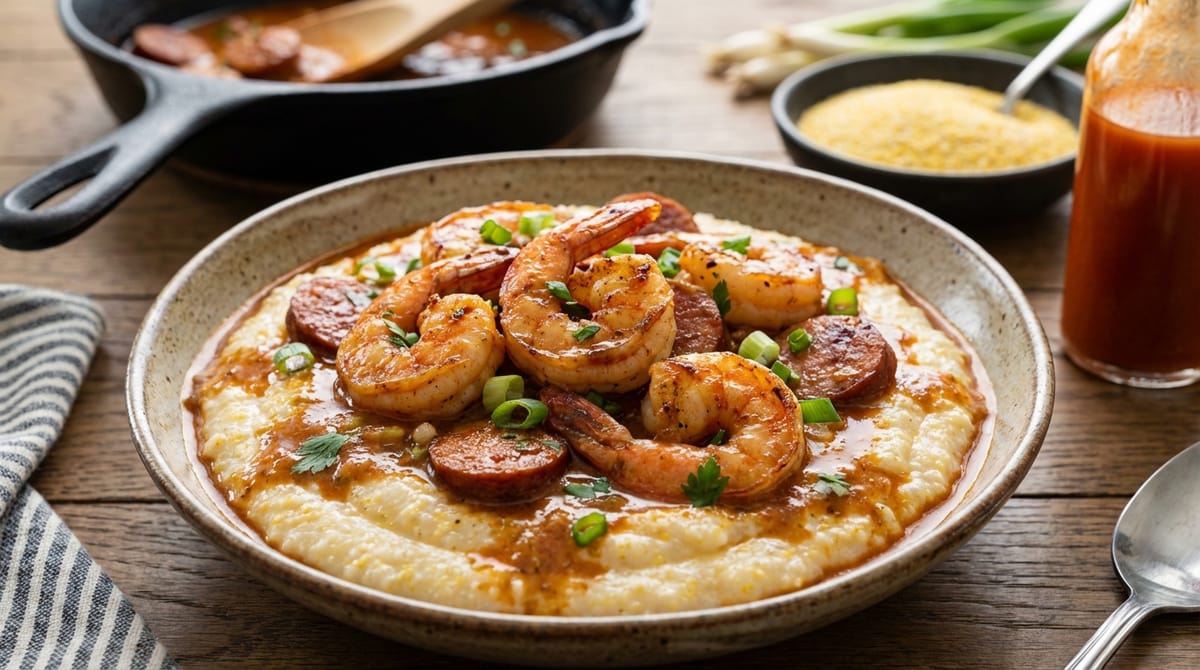
Louisiana shrimp and grits with andouille sausage represents the pinnacle of Southern comfort food, combining the humble origins of a Low Country breakfast with the bold, spicy flavors of Cajun cuisine. This dish transforms simple stone-ground grits into a luxurious foundation for plump Gulf shrimp and smoky, spiced sausage, all brought together with a rich, flavorful sauce that captures the essence of Louisiana cooking. What makes this preparation particularly special is the interplay between textures and tastes - creamy grits provide a neutral canvas that allows the assertive flavors of Cajun seasoning, andouille, and the Holy Trinity of vegetables to shine through.
The beauty of this dish lies in its versatility and accessibility. While it graces the menus of upscale New Orleans restaurants, home cooks can recreate this restaurant-quality experience in their own kitchens with straightforward techniques and readily available ingredients. The key is understanding how each component contributes to the final dish and taking the time to build layers of flavor through proper seasoning and cooking methods.
Whether you're planning a special weekend brunch, seeking an impressive weeknight dinner, or wanting to bring a taste of the Gulf Coast to your table, mastering Louisiana shrimp and grits will expand your culinary repertoire with a dish that's both deeply satisfying and surprisingly approachable.
The Complete Recipe
This recipe serves 4-6 people and takes approximately one hour from start to finish, though much of that time involves the grits simmering while you prepare the other components.
Ingredients
For the Grits:
- 1 cup stone-ground grits
- 4 cups chicken broth
- 1 teaspoon kosher salt
- 4 tablespoons salted butter
- 1 cup sharp cheddar cheese, shredded
- 1/4 cup heavy cream
For the Shrimp and Sausage:
- 1 to 1.5 pounds large fresh shrimp, peeled and deveined
- 8 ounces andouille sausage, diced
- 1 tablespoon Cajun seasoning
- 2 tablespoons bacon grease or olive oil
- 1 medium yellow onion, chopped
- 1 red bell pepper, chopped
- 2 stalks celery, chopped
- 3-4 cloves garlic, minced
- 2 tablespoons all-purpose flour
- 1 cup chicken broth
- 1/4 cup heavy cream
- 1 teaspoon smoked paprika
- 1/4 teaspoon cayenne pepper
- Salt and black pepper to taste
- Green onions, sliced for garnish
- Fresh lemon wedges
Instructions
- Begin with the grits: Bring chicken broth to a boil in a medium saucepan. Add salt, then slowly whisk in the stone-ground grits to prevent lumps. Reduce heat to low and simmer, stirring frequently, for 25-30 minutes until the grits are tender and creamy.
- Once the grits have cooked through, stir in butter, shredded cheddar cheese, and heavy cream. Mix until fully incorporated and the grits are smooth and rich. Keep warm over very low heat, stirring occasionally.
- While the grits cook, season the shrimp with half of the Cajun seasoning. Set aside to allow the flavors to penetrate the shrimp.
- Heat bacon grease or oil in a large skillet over medium-high heat. Add the diced andouille sausage and cook for 3-4 minutes until browned and slightly crispy. Remove sausage from the skillet and set aside.
- In the same skillet, add the seasoned shrimp in a single layer. Cook for 2 minutes per side until pink and just cooked through. Remove shrimp and set aside with the sausage.
- Add the chopped onion, bell pepper, and celery to the skillet. Sauté for 5-6 minutes until the vegetables soften. Add the minced garlic and cook for another minute until fragrant.
- Sprinkle the flour over the vegetables and stir to coat, cooking for 1-2 minutes to eliminate the raw flour taste. This creates a roux that will thicken your sauce.
- Gradually pour in the chicken broth while stirring constantly to prevent lumps. Add the remaining Cajun seasoning, smoked paprika, and cayenne pepper. Bring to a simmer and cook for 3-4 minutes until the sauce thickens.
- Stir in the heavy cream, then return the cooked sausage and shrimp to the skillet. Toss everything together and cook for 2 minutes to heat through and allow the flavors to meld. Taste and adjust seasoning with salt and pepper as needed.
- To serve, spoon generous portions of creamy grits into bowls. Top with the shrimp, sausage, and sauce mixture. Garnish with sliced green onions and serve with lemon wedges on the side.
Understanding Stone-Ground Grits
The foundation of exceptional shrimp and grits begins with selecting the right type of grits. Stone-ground grits stand apart from their instant or regular counterparts due to their production method and resulting texture. These grits are made by grinding whole dried corn kernels between stones, a traditional process that preserves the germ and hull of the corn. This means stone-ground grits retain more of the corn's natural flavor and nutritional value, along with a coarser, more rustic texture that provides satisfying substance to the dish.
The trade-off for this superior quality is cooking time. While instant grits can be ready in five minutes, stone-ground grits require 25-30 minutes of patient simmering. During this time, they gradually absorb liquid and soften, developing a creamy consistency while maintaining a pleasant, slightly grainy texture that instant varieties simply cannot replicate. The extended cooking process also allows the grits to fully absorb the flavors of the chicken broth, creating a more deeply flavored base for your toppings.
Always cook grits in chicken broth rather than water. This simple substitution dramatically enhances the flavor profile, adding savory depth that complements the rich toppings. The butter, sharp cheddar cheese, and heavy cream stirred in at the end transform the grits into a luxurious, velvety component that can stand on its own or serve as the perfect backdrop for the spiced shrimp and sausage.
The Role of Andouille Sausage
Andouille sausage is non-negotiable in authentic Louisiana cooking. This smoked pork sausage, heavily seasoned with garlic, pepper, and Cajun spices, brings a distinctive smoky, spicy character that defines the dish. Unlike mild breakfast sausages or Italian varieties, andouille has a coarse texture and assertive flavor that holds up beautifully against the other bold ingredients.
When shopping for andouille, look for links that feel firm and have visible fat marbling throughout. Quality andouille should have a deep reddish-brown color from the smoking process. If you cannot find authentic andouille, smoked kielbasa can serve as a substitute, though you'll want to boost the Cajun seasoning slightly to compensate for the milder flavor profile.
The technique of browning the diced sausage before adding other ingredients serves multiple purposes. First, it renders some of the fat, which becomes the flavorful base for cooking the vegetables. Second, the browning process creates crispy edges on the sausage pieces, adding textural contrast to the finished dish. Finally, those browned bits left in the pan contribute fond - the flavorful caramelized bits that dissolve into your sauce and add complexity to every bite.
Mastering the Cajun Trinity
Louisiana cooking revolves around the Holy Trinity - the foundational combination of onions, celery, and bell peppers that appears in countless Cajun and Creole dishes. This aromatic base, analogous to the French mirepoix, provides the flavor foundation that makes Louisiana cuisine so distinctive. The yellow onion contributes sweetness and depth, the celery adds an earthy, slightly bitter note, and the red bell pepper brings color along with a mild, sweet flavor that balances the spice.
The proportions matter less than ensuring all three components are present. A general guideline calls for roughly equal parts of each vegetable, though many cooks use slightly more onion than celery or pepper. Dice the vegetables to a similar size - about 1/4 to 1/2 inch - so they cook evenly and create a uniform texture in the sauce.
Sautéing the trinity until the vegetables soften and begin to develop some color is crucial. This process, which takes 5-6 minutes over medium heat, allows the vegetables to release their moisture and concentrate their flavors. Rushing this step by cooking over too-high heat will result in vegetables that are browned on the outside but still crunchy inside, which disrupts the smooth, cohesive sauce you're building. The garlic goes in after the trinity has softened, as garlic burns easily and becomes bitter when exposed to high heat for too long.
Selecting and Preparing Gulf Shrimp
The quality of your shrimp directly impacts the final dish, making it worth seeking out fresh Gulf shrimp when possible. Gulf shrimp - whether white, brown, or pink varieties - offer sweet, firm flesh with a clean ocean flavor that frozen imported shrimp often lack. Large or jumbo shrimp work best for this preparation, as they remain plump and juicy even after cooking, providing satisfying bites that stand up to the rich sauce and grits.
Whether to leave the tails on or remove them is largely a matter of presentation and personal preference. Tail-on shrimp look more elegant and restaurant-quality, but they require diners to remove the tails while eating. Completely peeled shrimp offer convenience and allow every bite to be fork-friendly. Either approach works perfectly well.
The most common mistake when cooking shrimp is overcooking them, which results in rubbery, tough texture. Shrimp cook remarkably quickly - usually just 2 minutes per side in a hot skillet. They're done when they turn pink and opaque throughout, curling into a loose C-shape. Shrimp that curl tightly into an O-shape have been overcooked. Since the shrimp return to the pan briefly at the end to warm through in the sauce, it's better to slightly undercook them during the initial sear. They'll finish cooking when reunited with the hot sauce, ensuring they remain tender and succulent.
Building the Sauce
The sauce that brings together shrimp, sausage, and grits deserves careful attention. After removing the cooked protein, you'll use the rendered fat and flavorful fond left in the pan to build a rich, cohesive sauce that ties all the components together. The flour sprinkled over the sautéed trinity creates a roux - a classic thickening agent in Louisiana cooking. Cooking the flour for a minute or two before adding liquid is essential, as it eliminates the raw flour taste and allows the flour to properly absorb the fat, creating a smooth base for your sauce.
When adding the chicken broth, pour it gradually while stirring constantly. This technique prevents lumps from forming and ensures a silky-smooth consistency. The sauce will thicken as it simmers, concentrating the flavors while the flour works its charm. Some recipes incorporate additional elements like white wine for acidity, Cognac or brandy for depth and sophistication, or crème fraîche for tangy richness. These variations can elevate the dish further, though the basic combination of broth and cream delivers excellent results.
The heavy cream added near the end serves multiple purposes beyond richness. It mellows the heat from the Cajun spices, creates a luxurious mouthfeel, and helps bind the sauce together. The cream also provides visual appeal, transforming the sauce from thin and brothy to thick and glossy. A squeeze of fresh lemon juice at the very end brightens all the flavors, cutting through the richness and adding a subtle citrus note that makes the dish feel more balanced and less heavy.
Seasoning and Spice Considerations
Cajun seasoning forms the spice backbone of this dish, but understanding what goes into these blends helps you adjust heat and flavor to your preferences. Most Cajun seasonings contain paprika, cayenne pepper, garlic powder, onion powder, black pepper, oregano, and thyme. Some blends skew saltier, while others emphasize heat or herbs. Tasting your particular blend before using it allows you to adjust other seasonings accordingly.
Layering the spices throughout the cooking process creates more complex, developed flavor than adding everything at once. Seasoning the shrimp before cooking allows the spices to form a light crust and penetrate the seafood. Adding more seasoning to the sauce ensures the vegetables and liquid carry those flavors as well. This approach prevents the spice from tasting one-dimensional or sitting on the surface of the dish.
Smoked paprika deserves special mention for the depth it adds. This Spanish spice, made from peppers that have been smoked before grinding, contributes a subtle smokiness that complements the andouille sausage and adds complexity to the overall flavor profile. Cayenne pepper provides clean, direct heat. Start with the amount specified in the recipe, then taste and adjust. You can always add more heat, but you cannot remove it once it's in the dish. Keep hot sauce on the table so diners can customize the spice level to their personal tolerance.
Serving Suggestions and Variations
While the classic presentation involves spooning the shrimp and sausage mixture over a bed of grits in a shallow bowl, you can adapt the plating to suit different occasions. For a more casual family dinner, serve everything in deep bowls with plenty of sauce. For elegant entertaining, use wide, shallow plates that showcase the colorful components. A sprinkle of sliced green onions adds fresh, mild onion flavor and a pop of bright green color that makes the dish more visually appealing.
Charred lemon wedges elevate the presentation while providing practical benefits. To char lemons, cut them into wedges and place them cut-side down in a hot, dry skillet for 2-3 minutes until they develop dark grill marks. The charring process caramelizes the lemon's sugars and mellows its acidity slightly, creating a more complex citrus element. Squeezing charred lemon over the finished dish adds brightness without the harsh sourness of raw lemon.
Several variations can take this dish in different directions while maintaining its essential character. Substituting white cheddar for sharp yellow cheddar creates a more refined, subtle cheese flavor. Adding diced tomatoes to the sauce introduces acidity and freshness. Incorporating bacon alongside or instead of some of the sausage amplifies the smoky notes. For a lighter version, you can reduce the heavy cream or substitute half-and-half, though the sauce will be thinner and less rich. Some cooks add a splash of bourbon or whiskey to the sauce for an extra layer of complexity and a subtle sweetness that plays beautifully with the spice.
Conclusion
Louisiana shrimp and grits with andouille sausage exemplifies the best of Southern cooking - bold flavors, quality ingredients, and techniques that transform simple components into something far greater than the sum of their parts. By starting with stone-ground grits cooked slowly in chicken broth, building flavor through the Cajun trinity of vegetables, and bringing everything together with perfectly cooked Gulf shrimp and smoky andouille, you create a dish that satisfies on every level.
The keys to success lie in patience with the grits, proper seasoning throughout the cooking process, and avoiding the common pitfall of overcooking the shrimp. Each component - the creamy grits, the spiced shrimp, the smoky sausage, and the rich sauce - plays a specific role in creating the balanced, complex final dish. While the recipe requires some time and attention, none of the individual techniques are particularly difficult, making this an achievable project for home cooks of all skill levels.
Whether you're cooking for a special occasion or simply want to bring a taste of Louisiana to your weeknight dinner rotation, this dish delivers impressive results that will have everyone asking for seconds. Master this recipe, and you'll have a go-to dish that showcases your cooking skills while honoring the rich culinary traditions of the Gulf Coast.
Sources
- Louisiana Woman Blog - Cajun Shrimp and Grits Recipe with Andouille Sausage
- Rene Carter - Gulf Shrimp Andouille with Cognac Cream
- Louisiana Cookin - Shrimp and Grits with White Wine Sauce
- Pinch of Yummy - Cajun Shrimp & Grits
- Casual Epicure - Southern Style Shrimp and Grits with Andouille Sausage
- Mason Recipes - Irresistible Cajun Shrimp and Grits with Andouille Sausage