Maryland Crab Cakes with Remoulade and Corn on the Cob
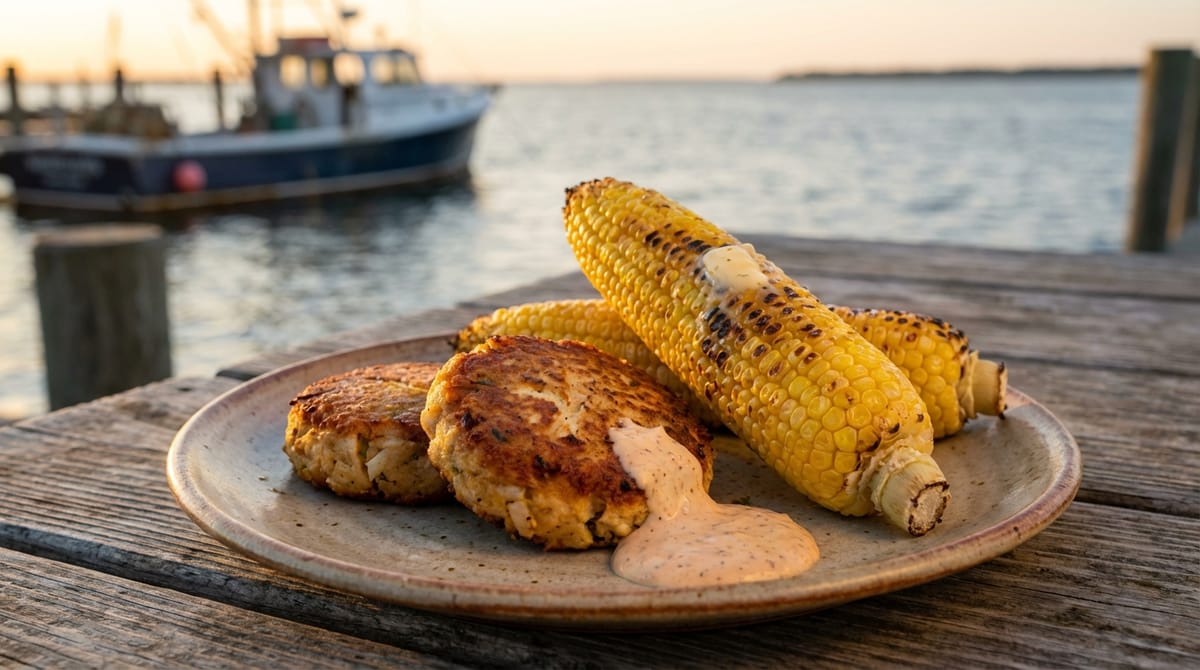
Maryland crab cakes represent one of the most celebrated seafood dishes in American cuisine, distinguished by their focus on fresh, high-quality crab meat with minimal filler. Unlike heavily breaded versions found elsewhere, authentic Maryland-style crab cakes showcase generous chunks of lump crab meat bound together with just enough seasoning and binder to hold their shape. Paired with a tangy remoulade sauce and sweet corn on the cob, this combination creates a complete meal that captures the essence of coastal Mid-Atlantic dining.
The secret to exceptional crab cakes lies in the ratio of crab to filler - the less bread or cracker, the better. This allows the sweet, delicate flavor of the crab meat to shine through while maintaining a tender, succulent texture. When complemented by a properly seasoned remoulade and perfectly cooked corn, you create a harmonious balance of flavors and textures that elevates a simple dinner into something truly memorable.
Whether you're planning a special occasion meal or simply want to bring restaurant-quality seafood into your home kitchen, mastering these three components will give you a dish that impresses every time. The techniques are straightforward, but attention to detail makes all the difference between good and exceptional results.
Classic Maryland Crab Cakes Recipe
Ingredients:
- 1 pound jumbo lump crab meat, carefully picked over for shells
- 1 large egg, lightly beaten
- 1/4 cup full-fat mayonnaise
- 1/4 cup finely chopped white onion or celery
- 2 teaspoons Dijon mustard
- 2 teaspoons Worcestershire sauce
- 1 1/2 to 2 teaspoons Old Bay seasoning
- 3 cloves garlic, minced
- 1 tablespoon fresh parsley, finely chopped
- Zest of 1 small lemon
- 1 teaspoon fresh lemon juice
- 4 saltine crackers, finely crushed (or 1/3 cup panko breadcrumbs)
- 3-4 tablespoons butter for cooking
- 2 tablespoons vegetable oil
- Salt and freshly ground black pepper to taste
Preparation Steps:
- Gently inspect the crab meat for any remaining shell fragments, being careful not to break up the large lumps. This step is crucial for both texture and safety.
- In a large mixing bowl, combine the egg, mayonnaise, onion, Dijon mustard, Worcestershire sauce, Old Bay seasoning, minced garlic, parsley, lemon zest, and lemon juice. Whisk until well blended.
- Add the crushed crackers or breadcrumbs to the mixture and stir gently to combine. Let this rest for 2-3 minutes to allow the crackers to absorb moisture.
- Carefully fold in the crab meat using a gentle hand, preserving as many large chunks as possible. The mixture should just hold together when formed into patties.
- Form the mixture into 4-6 patties, depending on your preferred size. Each should be about 3/4 to 1 inch thick. Refrigerate for at least 30 minutes to help them hold together during cooking.
- Heat butter and oil in a large skillet over medium-high heat until the butter is melted and just beginning to foam.
- Carefully place the crab cakes in the pan, leaving space between each one. Cook for 4-5 minutes on the first side without moving them, until a golden-brown crust forms.
- Flip gently using a wide spatula and cook for another 4-5 minutes on the second side until golden brown and heated through.
- Transfer to a paper towel-lined plate briefly to drain excess oil, then serve immediately while hot and crispy.
Zesty Remoulade Sauce
Remoulade sauce provides the perfect acidic, spicy counterpoint to rich crab cakes. This Louisiana-inspired condiment combines creamy mayonnaise with bold seasonings that cut through the richness of the seafood without overpowering its delicate flavor. The beauty of remoulade lies in its versatility - you can adjust the heat level and tang to suit your preferences.
To prepare the sauce, combine 1 1/4 cups mayonnaise with 1/4 cup Creole or whole grain mustard, 1 tablespoon smoked paprika, 2 teaspoons prepared horseradish, 1 1/2 teaspoons Cajun seasoning, 1 tablespoon finely chopped fresh parsley, 1 teaspoon hot sauce, 1 teaspoon lemon juice, and 1 clove minced garlic. Season with salt and freshly ground black pepper to taste. Whisk all ingredients together until smooth and well combined.
For best results, prepare the remoulade at least an hour before serving - or even the night before - to allow the flavors to meld and develop. The sauce will keep refrigerated in an airtight container for up to one week. Some variations include adding minced capers, diced pickles, or a touch of cayenne pepper for extra heat. The key is balancing the creamy base with enough acid and spice to create a sauce that enhances rather than masks the crab.
Perfect Corn on the Cob
Sweet corn on the cob serves as the ideal accompaniment to crab cakes, offering a complementary sweetness and satisfying texture that rounds out the meal. The simplicity of perfectly cooked corn allows it to stand alongside the more complex flavors of the crab and remoulade without competing for attention.
Select the freshest corn possible - the sugars in corn begin converting to starch immediately after harvest, so fresher is always better. Look for bright green husks that feel slightly damp, with golden-brown silk at the top. The kernels should be plump and tightly packed, releasing a milky juice when punctured.
For cooking, bring a large pot of water to a rolling boil. There's no need to add salt, as it can toughen the kernels. Add the shucked corn and cook for 4-6 minutes - overcooking results in tough, chewy kernels. The corn is ready when the kernels are tender-crisp and bright yellow. Remove from the water and serve immediately with butter, salt, and pepper. For a flavor twist, brush the cooked corn with melted butter mixed with a pinch of Old Bay seasoning to tie it thematically to the crab cakes.
Alternatively, grilling corn adds a smoky dimension that pairs beautifully with seafood. Soak the corn in husks in cold water for 15 minutes, then grill over medium-high heat for 15-20 minutes, turning occasionally, until the husks are charred and the kernels are tender.
Choosing and Handling Crab Meat
The foundation of exceptional Maryland crab cakes is high-quality crab meat, and understanding the different grades available makes a significant difference in your final result. Jumbo lump crab meat consists of large, whole pieces from the body of the crab and commands the highest price due to its impressive appearance and sweet flavor. This is the gold standard for Maryland crab cakes where visual appeal and texture matter most.
Lump crab meat, slightly smaller than jumbo lump, still provides excellent flavor and texture at a more accessible price point. Some recipes benefit from combining lump crab with backfin or special grade crab meat - the smaller shredded pieces help bind the cakes together while the lumps provide that signature chunky texture. This combination approach creates crab cakes that hold together better without requiring excessive filler.
When purchasing crab meat, fresh is always preferable to canned, though quality pasteurized crab meat in containers works well when fresh isn't available. Inspect the meat carefully for shell fragments - even products labeled as picked will often contain small pieces of shell or cartilage. Take your time with this step, as biting into shell ruins the eating experience. Handle the crab meat gently throughout the process to preserve those desirable large chunks that define Maryland-style crab cakes.
The Role of Old Bay Seasoning
No ingredient is more synonymous with Maryland seafood than Old Bay seasoning, the iconic spice blend that has defined the region's cuisine since 1939. This complex mixture contains celery salt, black pepper, crushed red pepper flakes, and paprika as its primary components, along with numerous other spices that create its distinctive flavor profile. While the exact formula remains a closely guarded secret, the result is unmistakable - a savory, slightly spicy blend that enhances seafood without overwhelming it.
In crab cakes, Old Bay serves multiple purposes beyond simple seasoning. The celery salt component adds depth and a subtle vegetal note that complements the sweetness of the crab. The pepper provides gentle heat, while the paprika contributes color and a mild smokiness. The beauty of Old Bay lies in its balance - it's pre-mixed to work harmoniously with seafood, eliminating the guesswork of combining individual spices.
Use Old Bay judiciously, as its potent flavor can easily dominate if overused. Start with 1 1/2 teaspoons and adjust according to your taste preferences. Some cooks sprinkle additional Old Bay on top of the crab cakes just before serving for an extra flavor boost. The seasoning also works beautifully on the corn on the cob, creating a cohesive flavor theme throughout the meal.
Cooking Methods: Pan-Seared vs. Baked
The cooking method you choose for crab cakes significantly impacts their final texture and flavor. Pan-searing in butter and oil creates a gorgeously crispy, golden-brown exterior while keeping the interior moist and tender. This traditional method delivers superior flavor through the Maillard reaction - the chemical process that creates complex flavors and appealing color when proteins and sugars are exposed to high heat. The butter adds richness and helps achieve that restaurant-quality crust that makes crab cakes so irresistible.
The key to successful pan-searing lies in patience. Heat your pan properly before adding the crab cakes, and resist the urge to move them around. Let them cook undisturbed for 4-5 minutes on each side, allowing that crust to develop fully. Moving them too soon results in cakes that stick to the pan and fall apart.
Baking offers a lighter alternative that requires less hands-on attention. Preheat your oven to 400°F, place the formed crab cakes on a lightly greased baking sheet, and brush the tops with melted butter. Bake for 15-18 minutes, flipping once halfway through, until golden brown on both sides. While baked crab cakes won't achieve quite the same crispy exterior as pan-seared versions, they're still delicious and allow you to cook larger batches simultaneously. Some cooks combine methods, pan-searing first to create the crust, then finishing in the oven to ensure the centers are heated through without over-browning the exterior.
Serving Suggestions and Presentation
Presentation elevates crab cakes from a simple meal to an impressive dining experience. Plate the crab cakes on warmed dishes to keep them hot longer. Place a generous dollop of remoulade sauce alongside - never on top, as this would soften the crispy exterior. Garnish with fresh lemon wedges, which provide a bright acidic element that guests can add to taste. A sprinkle of fresh chopped parsley adds color and freshness to the plate.
The corn on the cob can be served whole or cut into smaller segments for easier eating. If serving whole, provide corn holders to make handling easier. For a more refined presentation, consider cutting the kernels off the cob and serving them as a warm salad mixed with diced shallots, a touch of butter, and fresh herbs.
Beyond the remoulade and corn, consider adding a simple green salad dressed with a light vinaigrette to cut through the richness of the meal. Creamy coleslaw also pairs beautifully, providing cool crunch that contrasts with the warm, tender crab cakes. Hot sauce on the side allows guests to add extra heat if desired. For beverages, crisp white wines like Sauvignon Blanc or unoaked Chardonnay complement the seafood perfectly, as do light lagers or pilsners.
Conclusion
Maryland crab cakes with remoulade and corn on the cob represent the perfect intersection of simplicity and sophistication. By focusing on quality ingredients - particularly fresh lump crab meat - and exercising restraint with fillers, you create crab cakes that showcase the sweet, delicate flavor of the crab itself. The remoulade sauce adds complexity and heat without overpowering, while the corn provides a sweet, satisfying counterpoint that completes the meal.
Success with this dish comes down to respecting the ingredients and following a few key principles: handle the crab meat gently to preserve those impressive chunks, season thoughtfully with Old Bay and fresh herbs, use minimal binder, and cook with patience to achieve that perfect golden crust. Whether you choose to pan-sear or bake, the result should be crab cakes that are crispy outside, tender inside, and packed with visible crab meat in every bite.
This classic combination deserves a place in every home cook's repertoire. With proper technique and quality ingredients, you can create restaurant-worthy crab cakes that celebrate one of America's finest regional seafood traditions. The recipes and methods outlined here provide a solid foundation, but don't hesitate to make them your own by adjusting seasonings and accompaniments to suit your preferences.