Mom's Classic Meatloaf with Brown Sugar Glaze Recipe
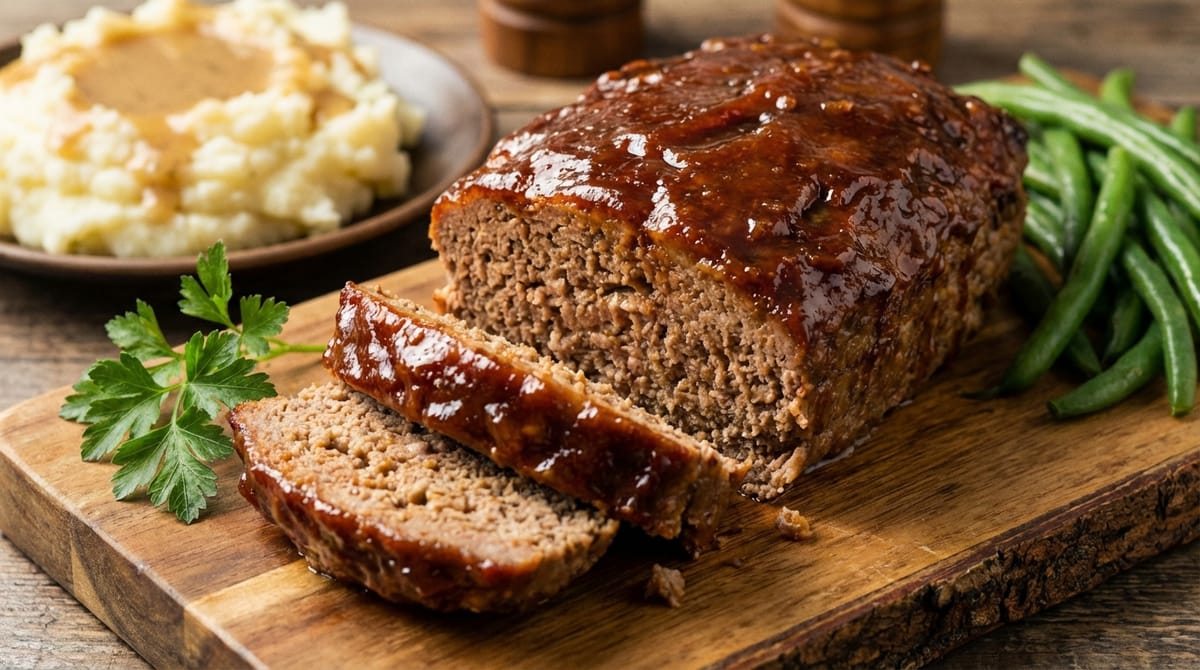
Few dishes capture the essence of home cooking quite like a perfectly crafted meatloaf. This isn't just any ground beef dinner - it's a masterclass in balancing texture, moisture, and flavor while achieving that coveted caramelized exterior. The secret lies in understanding how simple ingredients work together: milk-soaked breadcrumbs create tenderness, eggs provide structure without density, and a tangy-sweet glaze transforms the entire dish into something memorable.
What makes this particular approach to meatloaf special is its reliability. Using precise ratios of beef to binding agents ensures consistent results, while the brown sugar glaze adds complexity that elevates the dish beyond basic weeknight fare. The technique produces a moist interior with a firm-but-tender texture, avoiding the two most common pitfalls: dryness and mushiness. Whether you're cooking for family dinner or preparing leftovers for the week ahead, this recipe delivers comfort food that satisfies without requiring advanced culinary skills.
The beauty of this classic preparation is that it relies on pantry staples you likely already have. No exotic ingredients or complicated techniques - just straightforward cooking that produces restaurant-quality results at home. The glaze caramelizes during baking, creating a glossy coating that contrasts beautifully with the savory meat beneath.
The Complete Recipe
This recipe yields approximately 6-8 servings and takes about 1 hour and 15 minutes from start to finish, including prep and baking time.
Ingredients You'll Need
For the meatloaf base:
- 2 pounds ground beef (80% lean recommended for optimal fat content)
- 1 small yellow onion, finely diced
- 2 cups fresh breadcrumbs (made from approximately 4 slices of white bread)
- 2 large eggs, lightly beaten
- ¾ cup milk (2% or whole milk works best)
- 2 teaspoons salt
- ½ teaspoon ground black pepper
For the brown sugar glaze:
- ¾ cup ketchup
- 3 tablespoons brown sugar
- 2 teaspoons yellow mustard
Step-by-Step Instructions
- Preheat your oven to 350°F (175°C). This moderate temperature ensures the meatloaf cooks through evenly without drying out the exterior before the center is done.
- In a large mixing bowl, combine the milk and fresh breadcrumbs. Let this mixture sit for 2-3 minutes, allowing the breadcrumbs to absorb the liquid completely. This creates a panade, which is the secret to keeping your meatloaf moist and tender.
- Add the ground beef, diced onion, beaten eggs, salt, and black pepper to the bowl with the breadcrumb mixture. Using your hands or a large spoon, mix everything together until just combined. Avoid overmixing, as this can make the meatloaf tough and dense.
- Transfer the meat mixture to a 9x5-inch loaf pan, or shape it into a freeform loaf on a rimmed baking sheet. Press the mixture gently to eliminate air pockets while maintaining a relatively loose pack.
- In a small bowl, whisk together the ketchup, brown sugar, and mustard until the sugar dissolves and the mixture is smooth. This creates your glaze.
- Spread approximately half of the glaze evenly over the top of the uncooked meatloaf, reserving the rest for later.
- Place the meatloaf in the preheated oven and bake for 45 minutes.
- Remove the meatloaf from the oven and spread the remaining glaze over the top. Return it to the oven and continue baking for an additional 15-20 minutes, or until the internal temperature reaches 160°F when measured with a meat thermometer.
- Let the meatloaf rest for 10 minutes before slicing. This allows the juices to redistribute throughout the meat, preventing them from running out when you cut into it.
Understanding the Science Behind Moisture and Texture
The difference between a dry, crumbly meatloaf and one that's perfectly moist comes down to understanding how the ingredients interact during cooking. Ground beef naturally loses moisture as it cooks, with fat rendering out and proteins contracting. Without proper binding and moisture-retention ingredients, you end up with a dense, dry result that requires drowning in extra sauce just to be palatable.
The breadcrumbs soaked in milk - known as a panade in culinary terms - serve multiple critical functions. First, the starch in the bread absorbs and holds moisture that would otherwise be lost during cooking. Second, the milk adds fat and liquid that keep the meat tender. Third, this mixture interrupts the protein structure of the ground beef, preventing it from binding too tightly and becoming tough. The ratio of 2 cups of breadcrumbs to ¾ cup milk for 2 pounds of meat is carefully calibrated to provide structure without making the loaf soggy or loose.
The eggs contribute to binding, but they also add richness and help create a cohesive texture that slices cleanly. Using 2 eggs for this quantity of meat provides just enough binding power without making the texture rubbery or overly firm. The salt doesn't just season - it also helps the meat proteins bind together properly, creating a loaf that holds its shape without being compressed or dense.
The Brown Sugar Glaze: Sweet, Tangy, and Perfectly Balanced
While the meatloaf itself is undeniably satisfying, the glaze is what transforms this dish from good to exceptional. The combination of ketchup, brown sugar, and mustard might seem simple, but each component plays a specific role in creating a complex flavor profile.
Ketchup provides acidity from tomatoes and vinegar, which cuts through the richness of the beef and adds a familiar savory-sweet base. Brown sugar contributes caramelization and a molasses-like depth that white sugar simply cannot match. The mustard adds a sharp, slightly spicy note that prevents the glaze from becoming cloying or one-dimensional. When these three ingredients combine and caramelize in the oven's heat, they form a glossy, slightly sticky coating that offers textural contrast to the tender meat beneath.
Applying the glaze in two stages is a deliberate technique. The first application goes on before baking, allowing it to cook into the meat slightly and form a base layer. The second application happens during the final 15-20 minutes of cooking, creating a fresh, glossy top coat that hasn't had time to dry out or burn. This two-step approach ensures you get both depth of flavor and visual appeal.
Choosing the Right Ground Beef
The recipe specifically calls for 80% lean ground beef, and this isn't arbitrary. Ground beef that's too lean - 90% or higher - will produce a dry meatloaf because there isn't enough fat to keep it moist during the extended baking time. The fat renders during cooking, basting the meat from within and contributing to both flavor and juiciness.
Conversely, beef that's too fatty (below 80% lean) can make the meatloaf greasy and cause it to shrink excessively as the fat renders out. You'll end up with a smaller finished product swimming in rendered fat, which isn't appetizing. The 80/20 ratio strikes the ideal balance, providing enough fat for moisture and flavor while maintaining structural integrity.
If you want to experiment with meat blends, consider mixing ground beef with ground pork (in a 50/50 or 60/40 ratio). Pork adds a slightly sweeter flavor and additional fat that can enhance moisture. Some cooks also add a small amount of ground veal for a more delicate texture, though this is entirely optional and the all-beef version is perfectly excellent on its own.
Common Mistakes and How to Avoid Them
Even with a straightforward recipe, several pitfalls can compromise your results. The most frequent error is overmixing the meat mixture. When you work ground beef too aggressively, you develop the protein strands excessively, resulting in a dense, tough texture similar to a hamburger patty rather than a tender loaf. Mix only until the ingredients are evenly distributed, using a light touch.
Another common mistake is skipping the resting period after the breadcrumbs soak in milk. Those few minutes allow the bread to fully hydrate, which is essential for creating the right texture. If you add the beef immediately, you'll have dry breadcrumb pieces scattered throughout instead of a uniform, moisture-retaining matrix.
Overbaking is perhaps the most devastating error. Meatloaf continues to cook slightly after you remove it from the oven due to residual heat, so pulling it out when it reaches exactly 160°F ensures it won't climb above 165°F during resting. Going beyond this temperature dries out the meat significantly. Invest in a reliable instant-read thermometer - it's the difference between guessing and knowing your meatloaf is perfectly cooked.
Finally, many home cooks slice into the meatloaf immediately after removing it from the oven. This causes all the juices to run out onto the cutting board, leaving you with drier slices. The 10-minute rest allows the proteins to relax and reabsorb moisture, resulting in slices that hold together beautifully and taste significantly more succulent.
Serving Suggestions and Accompaniments
This meatloaf pairs beautifully with classic American comfort food sides. Creamy mashed potatoes are a traditional choice, their smooth texture contrasting nicely with the meat's heartier consistency. The potatoes also serve as a vehicle for soaking up any extra glaze or meat juices on the plate.
Roasted or steamed vegetables add color and nutritional balance to the meal. Green beans, carrots, Brussels sprouts, or broccoli all work well, providing a lighter element that offsets the richness of the beef. For a more substantial vegetable side, consider glazed carrots or roasted root vegetables, which echo the sweet-savory profile of the meatloaf glaze.
A simple green salad with a tangy vinaigrette offers refreshing contrast, while dinner rolls or crusty bread are perfect for mopping up any remaining sauce. Some families serve meatloaf with macaroni and cheese for an ultra-comforting meal, though this is admittedly quite rich. For a lighter approach, try serving it with a crisp coleslaw or a cucumber salad.
Storage, Reheating, and Leftover Enchantment
One of meatloaf's greatest attributes is how well it keeps and reheats. Properly stored in an airtight container in the refrigerator, cooked meatloaf remains fresh for 3-4 days. The flavors often meld and improve slightly after a day, making leftovers arguably as good as the original meal.
For reheating, the oven is your best option for maintaining texture. Place slices in a baking dish, cover with foil, and warm at 300°F for about 15-20 minutes. This gentle reheating prevents the meat from drying out. You can add a splash of beef broth to the dish before covering to create steam and add extra moisture. Microwaving works in a pinch, but use 50% power and heat in short intervals to avoid tough, rubbery results.
Leftover meatloaf is incredibly versatile. Cold slices make excellent sandwiches - try them on toasted bread with lettuce, tomato, and mayonnaise, or get creative with a meatloaf melt featuring cheese and caramelized onions. Crumble leftover meatloaf into pasta sauce for a quick meat sauce, or dice it and add it to fried rice or scrambled eggs for a hearty breakfast. Some cooks even use leftover meatloaf as a pizza topping or mixed into a shepherd's pie filling.
For longer storage, meatloaf freezes exceptionally well. Wrap individual slices tightly in plastic wrap, then place them in a freezer bag. They'll keep for up to 3 months. You can also freeze the entire loaf, though slicing before freezing makes it easier to thaw only what you need. Thaw frozen meatloaf overnight in the refrigerator before reheating.
Nutritional Considerations
Each serving of this meatloaf provides approximately 30 grams of protein, making it a substantial source of this essential macronutrient. The protein content supports muscle maintenance and provides lasting satiety, which is why meatloaf feels so satisfying as a meal.
The fat content sits around 20 grams per serving, primarily from the ground beef. While this might seem high, remember that fat is essential for absorbing fat-soluble vitamins and provides the flavor and moisture that make this dish appealing. The carbohydrate content is moderate at about 15 grams per serving, mostly from the breadcrumbs and the sugar in the glaze.
Sodium levels are notable at approximately 800 milligrams per serving, largely from the salt added to the meat mixture and the ketchup in the glaze. If you're watching sodium intake, you can reduce the added salt to 1 teaspoon and look for low-sodium ketchup, though this will affect the overall flavor profile slightly.
For those looking to lighten the recipe, you can substitute ground turkey or chicken for half the beef, though you'll sacrifice some flavor and moisture. Using whole wheat breadcrumbs adds fiber, and reducing the brown sugar in the glaze to 2 tablespoons cuts some calories without dramatically changing the taste. However, part of what makes this dish a beloved classic is its unapologetic comfort food status - sometimes it's worth enjoying it as intended.
Conclusion: Why This Recipe Endures
The enduring popularity of this meatloaf recipe stems from its perfect balance of simplicity and satisfaction. It doesn't require exotic ingredients, advanced techniques, or hours of preparation, yet it delivers deeply satisfying results that appeal to both children and adults. The combination of tender, well-seasoned meat with a caramelized sweet-tangy glaze hits multiple flavor notes simultaneously, creating a dish that's complex enough to be interesting but familiar enough to feel like home.
Beyond the taste, this recipe represents reliability. Follow the proportions and techniques outlined here, and you'll achieve consistent results every time. There's no guesswork, no hoping it turns out right - just straightforward cooking that rewards you with a meal worthy of your dinner table. The fact that it produces excellent leftovers and freezes well adds practical value that busy home cooks appreciate.
Whether you're introducing this recipe to your family for the first time or recreating a childhood favorite, this classic meatloaf with brown sugar glaze delivers comfort food at its finest. It's the kind of recipe that gets passed down through generations, adapted slightly to each cook's preferences while maintaining the core elements that make it special. Master this version, and you'll have a reliable dinner solution that never goes out of style.