New England Clam Chowder in a Sourdough Bread Bowl
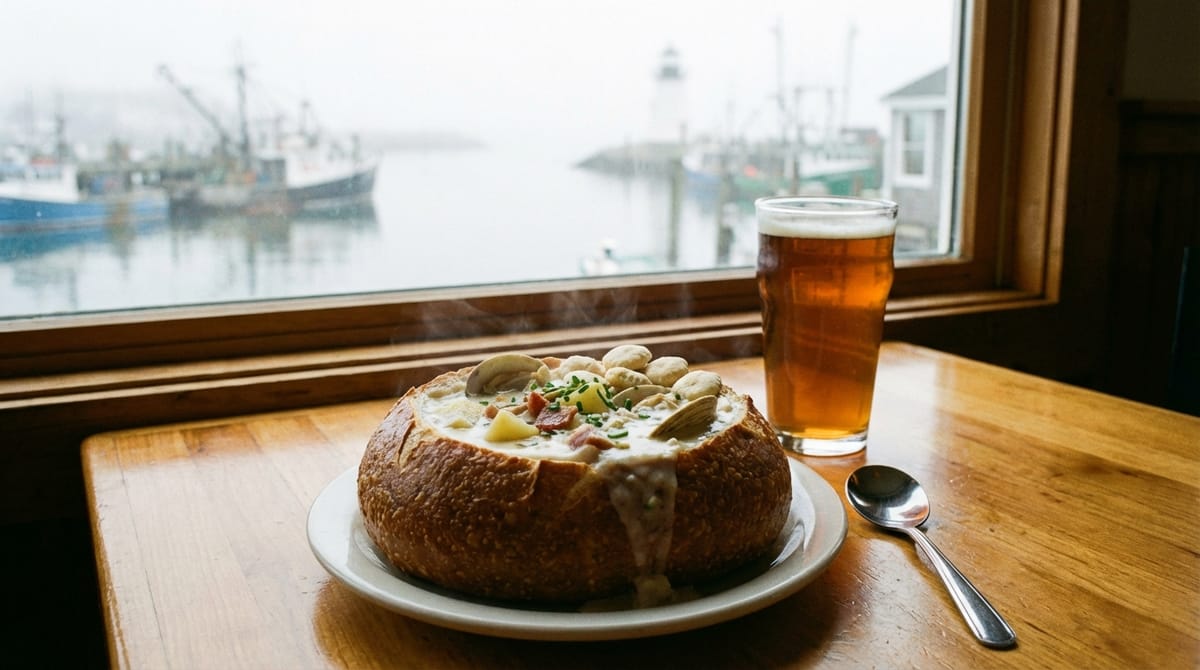
Thick, creamy clam chowder ladled into a hollowed-out sourdough bread bowl represents one of New England's most iconic culinary traditions. This hearty dish combines tender clams, diced potatoes, and smoky bacon in a rich cream base, all nestled inside edible bread that soaks up every drop of the flavorful broth. While often associated with Cape Cod and San Francisco's Fisherman's Wharf, this comfort food classic has earned its place on tables across the country, especially during cold winter months when nothing else quite satisfies.
The beauty of clam chowder in a bread bowl lies in its dual nature - it's both a complete meal and an interactive dining experience. As you spoon the chowder, the bread bowl gradually softens, allowing you to tear off pieces for dipping. The contrast between the crusty exterior and soft interior of the sourdough perfectly complements the velvety chowder, creating layers of texture that make each bite memorable.
Making this restaurant-quality dish at home requires surprisingly few specialized ingredients and less time than you might expect. With the right technique and quality components, you can recreate this Cape Cod specialty in your own kitchen any time the craving strikes.
Classic New England Clam Chowder Recipe
This recipe yields approximately four generous servings, perfect for a family dinner or small gathering. The preparation takes about 20 minutes, with an additional 30 minutes of cooking time.
Ingredients:
- 6 slices thick-cut bacon, diced
- 1 medium yellow onion, finely diced
- 2 ribs celery, finely diced
- 2 medium carrots, diced
- 4 medium Yukon gold potatoes, peeled and diced into ½-inch cubes
- 2 tablespoons unsalted butter
- 2 tablespoons all-purpose flour
- 2 cups clam juice
- 1 cup heavy cream
- 1 cup whole milk
- 2 (6.5 oz) cans chopped clams, drained (reserve liquid)
- 1 bay leaf
- ½ teaspoon dried thyme
- 1 teaspoon cracked black pepper
- 2 drops Tabasco sauce
- Salt to taste
- 4 round sourdough bread bowls
- Fresh parsley, chopped, for garnish
Instructions:
- In a large, heavy-bottomed pot or Dutch oven over medium heat, cook the diced bacon until crispy, about 6-8 minutes. Remove the bacon with a slotted spoon and set aside on a paper towel-lined plate, leaving the bacon drippings in the pot.
- Add the butter to the bacon drippings. Once melted, add the diced onion, celery, and carrots. Sauté for approximately 5 minutes, stirring occasionally, until the onions become translucent and the celery softens.
- Sprinkle the flour over the vegetable mixture, stirring constantly to create a paste (roux). Cook for 2 minutes to eliminate the raw flour taste, stirring continuously to prevent burning.
- Gradually whisk in the clam juice, stirring constantly to prevent lumps from forming. The mixture will begin to thicken as you add the liquid.
- Add the diced potatoes, bay leaf, thyme, and black pepper. Bring the mixture to a gentle boil, then reduce heat to maintain a simmer. Cook for 12-15 minutes, or until the potatoes are fork-tender but not falling apart.
- Reduce heat to low and stir in the whole milk and heavy cream. Add the drained clams and most of the cooked bacon (reserve some for garnish). Simmer gently for 5 minutes to heat through and allow flavors to meld. Do not allow the chowder to boil once the dairy has been added, as this may cause curdling.
- Add the Tabasco sauce and season with salt to taste. Remove the bay leaf before serving.
- While the chowder simmers, prepare your bread bowls by cutting a circular lid from the top of each loaf and carefully hollowing out the interior, leaving about a ½-inch thick shell. Save the removed bread for dipping.
- Ladle the hot chowder into the prepared bread bowls. Garnish with fresh chopped parsley and the reserved crispy bacon. Serve immediately with the bread lid on the side.
Understanding New England Clam Chowder
New England clam chowder distinguishes itself from other regional variations through its creamy, milk-based broth. Unlike Manhattan clam chowder, which features a tomato base, or Rhode Island chowder with its clear broth, the New England version embraces dairy as its defining characteristic. This style originated in the coastal communities of Massachusetts and Maine, where fishing families created hearty meals from readily available ingredients - clams, potatoes, salt pork, and milk.
The traditional preparation method builds layers of flavor through careful technique. Starting with rendered bacon or salt pork creates a savory foundation, while the flour-thickened base provides body without heaviness. The choice between canned and fresh clams often comes down to convenience and availability, though many recipes successfully combine both minced and whole clams for varied texture throughout the dish.
Authentic New England chowder maintains a delicate balance - thick enough to coat a spoon but fluid enough to soak into bread. The potatoes should remain intact, providing textural contrast to the tender clams, while vegetables like celery and onion dissolve into the background, contributing flavor without dominating the seafood.
Selecting and Preparing Sourdough Bread Bowls
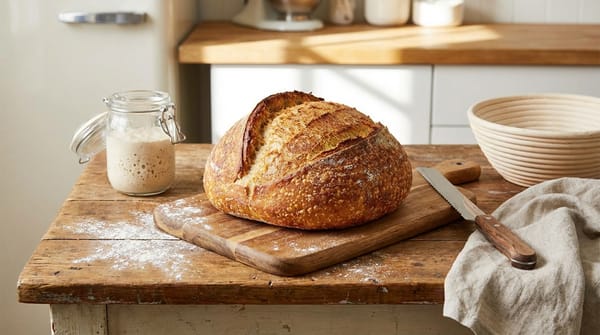
The bread bowl serves as more than a vessel - it's an integral component that completes the dish. Sourdough works particularly well due to its sturdy structure and tangy flavor profile that complements the rich chowder. The crust needs sufficient thickness to hold hot liquid without immediately becoming soggy, while the interior crumb should be dense enough to maintain structural integrity.
Store-bought bread bowls offer convenience and consistency, typically measuring 5-6 inches in diameter. When selecting pre-made bowls, look for ones with a firm, well-baked crust and avoid any with soft spots or tears. If baking your own, allow the bread to cool completely before hollowing, as warm bread tears more easily.
To prepare the bowl, use a serrated knife to cut a circular lid from the top, angling slightly inward to create a cap that won't fall through. Remove the interior bread by pulling and tearing gently, working from the center outward. Leave approximately half an inch of bread on all sides and the bottom. The removed bread shouldn't go to waste - cut it into chunks for dipping or toast it with butter for croutons.
Building Flavor Through Technique
The foundation of exceptional clam chowder begins with properly rendering the bacon. Cooking it over medium rather than high heat allows the fat to render slowly, creating crispy pieces without burning. This bacon fat becomes the cooking medium for your aromatics, infusing everything with smoky depth that salt pork or bacon alone cannot provide when added later.
Creating the roux - the flour and fat mixture that thickens the chowder - requires patience and attention. Cooking the flour for a full two minutes eliminates the raw, pasty taste that can ruin an otherwise perfect batch. The roux should smell slightly nutty and appear golden rather than white. When adding the clam juice, pour slowly while whisking vigorously to prevent lumps. Any lumps that do form will be difficult to eliminate later, so this step deserves your full attention.
Temperature control becomes critical once dairy enters the equation. Heavy cream and whole milk add luxurious richness, but both will curdle if subjected to high heat or rapid boiling. Maintain a gentle simmer - you should see occasional bubbles breaking the surface, but nothing vigorous. If you notice the chowder beginning to separate or develop a grainy texture, immediately remove it from heat and whisk in a small amount of cold cream to stabilize the emulsion.
Ingredient Variations and Substitutions
While traditional recipes call for specific ingredients, several substitutions can accommodate dietary preferences or ingredient availability. Turkey bacon can replace pork bacon for those avoiding red meat, though it won't render as much fat - you'll need to add extra butter to compensate. For a lighter version, half-and-half can substitute for heavy cream, though the result will be noticeably less rich. Some cooks use a combination of chicken stock and clam juice for a more pronounced seafood flavor.
Fresh clams elevate the dish considerably when available and budget allows. Littleneck or cherrystone clams work well - steam them until they open, then remove the meat and chop it. Use the strained steaming liquid in place of bottled clam juice for superior flavor. If using fresh clams, add them during the final five minutes of cooking to prevent them from becoming rubbery.
Potato selection impacts both texture and flavor. Yukon golds offer a buttery taste and hold their shape well during cooking. Russets work but tend to break down more easily, creating a thicker, starchier chowder. Red potatoes provide a firmer, waxier texture that some prefer. Regardless of variety, cut the potatoes into uniform pieces to ensure even cooking.
Serving Suggestions and Accompaniments
Timing matters when serving clam chowder in bread bowls. Ladle the hot chowder into the bowls immediately before bringing them to the table - letting them sit allows the bread to absorb too much liquid and potentially collapse. Warn diners that the bowls will be hot, and consider placing each bread bowl on a plate to catch any drips and provide stability.
Traditional garnishes include fresh parsley, extra bacon, and a pat of butter that melts into the hot chowder. Some restaurants add oyster crackers on top, though this can make the bread bowl redundant. A light dusting of paprika adds visual appeal and a subtle smoky note. For those who enjoy heat, offer hot sauce or red pepper flakes on the side rather than adding them to the entire batch, allowing each person to adjust to their preference.
Beyond the bread bowl itself, consider serving a simple green salad dressed with vinaigrette to cut through the richness of the chowder. Pickled vegetables, particularly cucumber or green beans, provide acidic contrast that refreshes the palate between bites. A crisp white wine like Sauvignon Blanc or Pinot Grigio pairs beautifully, as does a light lager or pilsner beer.
Storage and Reheating Guidelines
Clam chowder actually improves after a day in the refrigerator as flavors meld and deepen. Store leftover chowder separately from bread bowls in an airtight container for up to three days. The chowder will thicken considerably when cold - this is normal and expected. When reheating, do so gently over low heat, stirring frequently. Add milk or cream as needed to restore the desired consistency, as the potatoes will continue absorbing liquid during storage.
Freezing clam chowder presents challenges due to the dairy content, which can separate and become grainy when thawed. If you must freeze it, do so before adding the cream and milk. Freeze the base in portion-sized containers for up to two months, then thaw overnight in the refrigerator and add fresh dairy when reheating. The texture won't be quite as smooth as freshly made, but it remains perfectly edible.
Bread bowls don't store well once filled, as they become irreversibly soggy. If you have leftover chowder, serve it in regular bowls with fresh bread on the side rather than attempting to reuse day-old bread bowls. Unused bread bowls can be wrapped tightly and frozen for up to three months - thaw at room temperature and refresh in a 350°F oven for 5-7 minutes before using.
Conclusion
New England clam chowder served in a sourdough bread bowl represents comfort food at its finest - warming, satisfying, and deeply flavorful. This dish requires no exotic ingredients or advanced culinary techniques, yet delivers restaurant-quality results that impress family and guests alike. The key lies in respecting the fundamentals: properly rendering bacon for flavor, building a smooth roux for body, cooking potatoes until tender but intact, and treating dairy gently to prevent curdling.
Whether you're recreating memories of a seaside vacation or discovering this classic combination for the first time, the process rewards attention to detail. Take time to dice vegetables uniformly, whisk the roux thoroughly, and maintain gentle heat once cream enters the pot. These small considerations separate good chowder from exceptional chowder.
Most importantly, remember that cooking should be enjoyable. Don't stress over perfect technique - even imperfect clam chowder tastes delicious. Save the scooped-out bread for dipping, gather around the table while the chowder steams in its edible bowls, and savor this timeless New England tradition that continues to warm bodies and spirits on cold winter days.
Sources
- HelloFresh - New England Clam Chowder in a Bread Bowl
- Recipes by Elina - New England Clam Chowder in Sourdough Bread Bowls
- Hallmark Channel - Classic New England Clam Chowder Bread Bowls
- Food.com - Fisherman's Wharf Style Clam Chowder in Bread Bowl
- Crumb Snatched - New England Clam Chowder in Bread Bowl