New York Strip Steak with Loaded Baked Potato Recipe
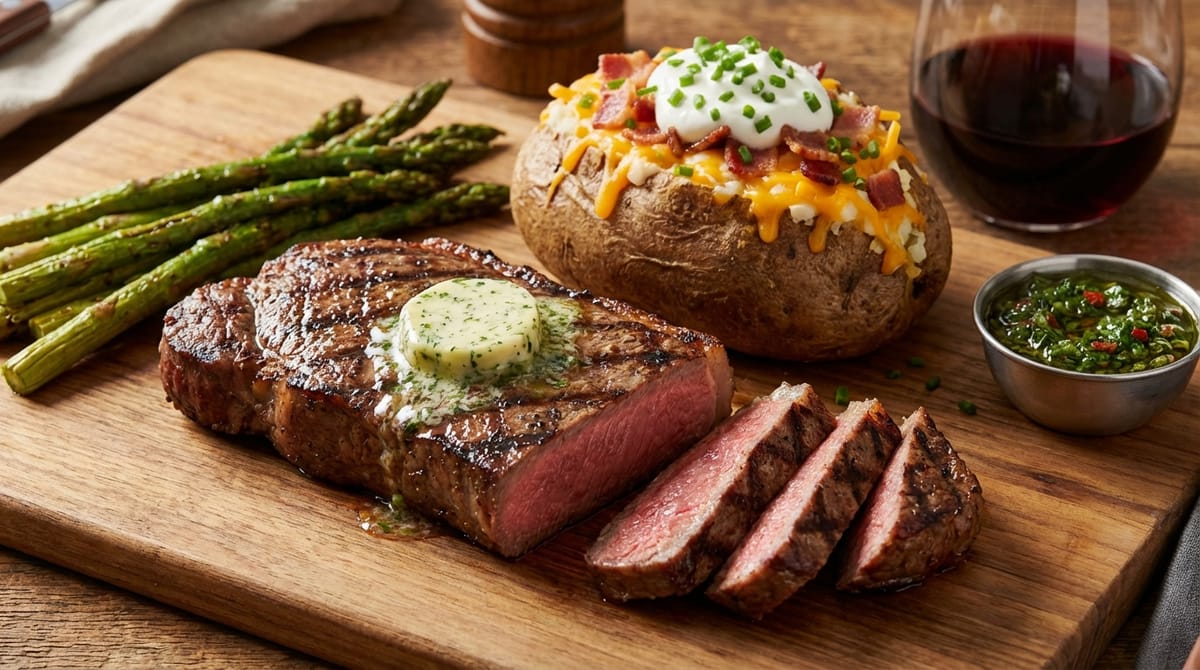
Few meals capture the essence of American steakhouse dining quite like a perfectly seared New York strip steak paired with a loaded baked potato. This iconic combination delivers rich, savory flavors and satisfying textures that have made it a favorite for generations. The contrast between the crispy, seasoned crust of the steak and the fluffy interior of a well-baked potato creates a dining experience that feels both indulgent and comforting.
While this dish may seem intimidating to prepare at home, mastering these techniques is more accessible than you might think. With the right approach to seasoning, temperature control, and timing, you can recreate restaurant-quality results in your own kitchen. The key lies in understanding how to develop a proper sear on your steak while ensuring the potato achieves that perfect balance of crispy skin and tender flesh.
This comprehensive guide walks you through every step of the process, from selecting the right cut of meat to loading your potato with the perfect combination of toppings. Whether you're planning a special dinner or simply want to elevate your weeknight cooking, this classic pairing delivers impressive results without requiring professional culinary training.
Complete Recipe: New York Strip Steak with Loaded Baked Potato
Ingredients:
For the Steak:
- 2 New York strip steaks (10-12 oz each, about 1 inch thick)
- 2 tablespoons olive oil
- 2 teaspoons coarse sea salt
- 1 teaspoon coarse ground black pepper
- 1 teaspoon garlic powder
- 1/2 teaspoon smoked paprika (optional)
- 3 tablespoons unsalted butter
- 3-4 cloves garlic, minced
- 2 sprigs fresh rosemary
For the Loaded Baked Potatoes:
- 2 large russet potatoes
- 2 tablespoons olive oil or melted butter
- 1 teaspoon salt
- 4 tablespoons unsalted butter
- 1/2 cup sour cream
- 1 cup shredded cheddar cheese
- 4 strips bacon, cooked and crumbled
- 2-3 scallions or chives, chopped
- Ground white or black pepper to taste
Instructions:
- Preheat your oven to 400°F. Scrub the potatoes thoroughly and pat dry. Pierce each potato several times with a fork, then rub with olive oil or melted butter and sprinkle with salt. Place directly on the oven rack and bake for 50-60 minutes until the skin is crispy and the interior is tender when pierced with a knife.
- While the potatoes bake, remove the steaks from the refrigerator and let them come to room temperature for about 30 minutes. Pat the steaks completely dry with paper towels - this is crucial for achieving a good sear.
- Season both sides of the steaks generously with sea salt, black pepper, garlic powder, and smoked paprika if using. Press the seasonings into the meat to ensure they adhere.
- Heat a cast iron skillet or heavy-bottomed pan over high heat until it begins to smoke slightly. Add the olive oil and swirl to coat the pan.
- Place the steaks in the hot pan without moving them. Sear for 3-4 minutes on the first side until a dark crust forms. Flip and sear for another 3-4 minutes for medium-rare (internal temperature of 130-135°F). Adjust timing based on your preferred doneness.
- During the last minute of cooking, add the butter, minced garlic, and rosemary to the pan. Tilt the pan and use a spoon to baste the steaks with the melted garlic butter repeatedly.
- Remove the steaks from the pan and let them rest on a cutting board for 5-10 minutes. This allows the juices to redistribute throughout the meat.
- Once the potatoes are done, remove them from the oven and let cool for 5 minutes. Cut a lengthwise slit in each potato and gently squeeze the ends to open. Fluff the interior with a fork.
- Load each potato with butter, sour cream, shredded cheese, crumbled bacon, and chopped scallions or chives. Season with pepper to taste.
- Slice the rested steaks against the grain and serve alongside the loaded baked potatoes. Drizzle any remaining garlic butter from the pan over the steak.
Selecting and Preparing the Perfect New York Strip
The foundation of this dish starts with choosing a quality New York strip steak. Look for cuts that are at least one inch thick with good marbling throughout - those thin white lines of intramuscular fat that melt during cooking and provide flavor and tenderness. The strip should have a bright red color and feel firm to the touch. Avoid steaks with excessive moisture in the package or those that appear grayish.
Bringing your steak to room temperature before cooking is essential for even cooking throughout. A cold steak placed in a hot pan will cook unevenly, resulting in an overdone exterior and undercooked center. Allow at least 30 minutes for the meat to warm up, though 45 minutes is even better for thicker cuts.
The most critical step for achieving restaurant-quality results is thoroughly drying the surface of the steak. Use paper towels to pat every surface completely dry. Any moisture on the meat will turn to steam in the hot pan, preventing the formation of that coveted brown crust. This Maillard reaction - the chemical process that creates the flavorful, caramelized exterior - can only occur when the surface is dry and the temperature is high enough.
Mastering the Sear and Garlic Butter Finish
The searing process transforms a simple piece of meat into something extraordinary. Your pan must be screaming hot before the steak touches the surface. Cast iron is ideal because it retains heat exceptionally well, but any heavy-bottomed pan will work. Heat the pan over high heat until you see the first wisps of smoke - this indicates the pan has reached the optimal temperature for searing.
When you place the steak in the pan, resist the urge to move it around. Let it sit undisturbed for 3-4 minutes to develop that deep brown crust. You'll know it's ready to flip when the steak releases easily from the pan. If it's sticking, it needs more time. The second side typically cooks slightly faster than the first since the steak is already heated through.
The garlic butter basting technique elevates the dish from good to exceptional. As the butter melts and combines with the garlic and rosemary, it creates an aromatic compound butter that infuses the steak with additional flavor. Tilting the pan allows the butter to pool, making it easy to spoon over the steak repeatedly during the final minute of cooking. This not only adds flavor but also helps the steak cook more evenly.
Temperature control determines doneness more accurately than timing alone. For medium-rare, aim for an internal temperature of 130-135°F. Medium sits at 135-145°F, and medium-well reaches 145-155°F. Remember that the steak will continue cooking during the resting period, rising another 5 degrees, so remove it from the heat just before it reaches your target temperature.
Achieving the Ideal Baked Potato
Russet potatoes are the gold standard for baking due to their high starch content and thick skin. These qualities produce a fluffy, light interior and a skin that crisps beautifully in the oven. Select potatoes that are uniform in size to ensure even cooking, and choose ones without green spots, sprouts, or soft areas.
The debate between wrapping potatoes in foil versus baking them unwrapped has a clear winner if you want crispy skin. Foil creates a steaming environment that results in soft, soggy skin. Baking potatoes directly on the oven rack allows air to circulate completely around them, creating that satisfying crunch. Rubbing the skin with oil and salt before baking enhances both flavor and texture, creating an almost chip-like exterior.
Piercing the potatoes with a fork before baking serves an important purpose beyond tradition. As the potato heats, steam builds up inside. These small holes provide vents for that steam to escape, preventing the potato from potentially bursting in the oven. Just a few strategic pokes with a fork or knife tip will suffice.
Building the Ultimate Loaded Potato
The classic loaded baked potato follows a time-tested formula, but there's room for creativity within that framework. The base layer typically consists of butter and sour cream, which melt into the hot potato flesh and create a creamy foundation. Add these first while the potato is still steaming hot to maximize their incorporation.
Sharp cheddar cheese provides the best flavor profile for loaded potatoes, though you can experiment with other varieties. Colby Jack offers a milder, creamier option, while a combination of cheddar and Monterey Jack provides complexity. Shred cheese from a block rather than using pre-shredded varieties - the latter contains anti-caking agents that prevent smooth melting.
Bacon adds the essential smoky, salty element that makes loaded potatoes so irresistible. Cook it until crispy, then crumble it into small pieces that distribute evenly across the potato. For best results, cook bacon in the oven on a sheet pan at 400°F for 15-20 minutes rather than on the stovetop - this method produces more evenly cooked, crispy bacon with less mess.
Fresh herbs provide brightness that cuts through the richness of the other toppings. Chives offer a mild onion flavor that complements without overwhelming, while scallions provide a slightly sharper bite. Chop them finely and sprinkle them on last as a finishing touch. Some variations include a dash of smoked paprika or a dollop of additional sour cream on top for visual appeal and extra creaminess.
Advanced Variations and Creative Twists
Once you've mastered the classic preparation, several variations can add new dimensions to this traditional pairing. The twice-baked potato approach takes the loaded concept further by scooping out the cooked potato flesh, mixing it with all the toppings, refilling the potato skins, and baking again until the top is golden and crispy. This method creates a more uniform distribution of flavors and an attractive presentation.
For a more decadent option, transform your loaded potato into a vessel for steak bites. Cut the cooked steak into bite-sized pieces and pile them into the opened potato, then top with a Parmesan cream sauce made from heavy cream, butter, minced garlic, and freshly grated Parmesan cheese. This creates a complete meal in a single serving that's both visually impressive and incredibly satisfying.
Chipotle mayo offers a spicy alternative to traditional sour cream. Blend mayonnaise with chipotle peppers in adobo sauce, fresh lime juice, and minced garlic for a smoky, tangy topping that pairs beautifully with both the steak and potato. This southwestern-inspired variation works particularly well if you season your steak with Cajun spices or chili powder instead of the traditional salt and pepper.
Timing and Coordination for Perfect Service
Coordinating the cooking of both components requires strategic planning. Start the potatoes first since they take the longest - typically 50-60 minutes depending on size. This gives you ample time to prepare and cook the steaks during the final 30 minutes of the potato's cooking time.
The steak's resting period serves a crucial purpose beyond allowing juices to redistribute. This 5-10 minute window gives you time to finish preparing the loaded potatoes without the steak getting cold. As the steaks rest, remove the potatoes from the oven, open them, and add all the toppings. By the time you've finished loading the potatoes, the steaks will be perfectly rested and ready to slice.
If you're cooking for multiple people, consider keeping the potatoes warm in a low oven (around 200°F) while you cook the steaks in batches. Potatoes hold their heat remarkably well and won't suffer from a few extra minutes in a warm oven. The steaks, however, should be cooked as close to serving time as possible to ensure they arrive at the table at their best.
Key Takeaways for Steakhouse Success at Home
Creating restaurant-quality New York strip steak with loaded baked potatoes at home comes down to mastering a few fundamental techniques. Proper seasoning, a screaming-hot pan, and patience during the searing process produce that coveted crust on the steak. The garlic butter basting adds a professional touch that elevates the dish beyond basic pan-seared meat.
For the potatoes, resist the temptation to wrap them in foil if you want truly crispy skin. The direct heat of the oven creates texture that makes each bite interesting, while the fluffy interior provides the perfect base for rich, savory toppings. Don't skimp on quality ingredients for the toppings - real cheddar cheese, thick-cut bacon, and fresh herbs make a noticeable difference in the final result.
Temperature control matters more than timing for both components. Use an instant-read thermometer to check your steak's doneness rather than relying on cooking times alone, which can vary based on thickness and starting temperature. For the potatoes, they're done when a knife slides through the center with no resistance. With these techniques in your repertoire, you can recreate this classic steakhouse combination whenever the craving strikes, delivering impressive results that rival your favorite restaurant.
Sources
- Swift Meats - Josh's Seared NY Strip Steak with a Loaded Baked Potato
- USA Recipe Hub - Ultimate Steak and Baked Potato Recipe
- Potato Goodness - Loaded Twice Baked Potato with Grilled New York Strip Steak
- Cooking with Casey - Loaded Steak Baked Potatoes
- Rich Spoon - Loaded Baked Potato with Steak
- CW Feats - Steak Bites Loaded Baked Potatoes
- Kent Rollins - Loaded Baked Tater
- Bad Batch Baking - Loaded Baked Potato with Steak
- Foodiffy - Loaded Baked Potato with Steak