Peanut Butter Banana Protein Smoothie: Complete Guide
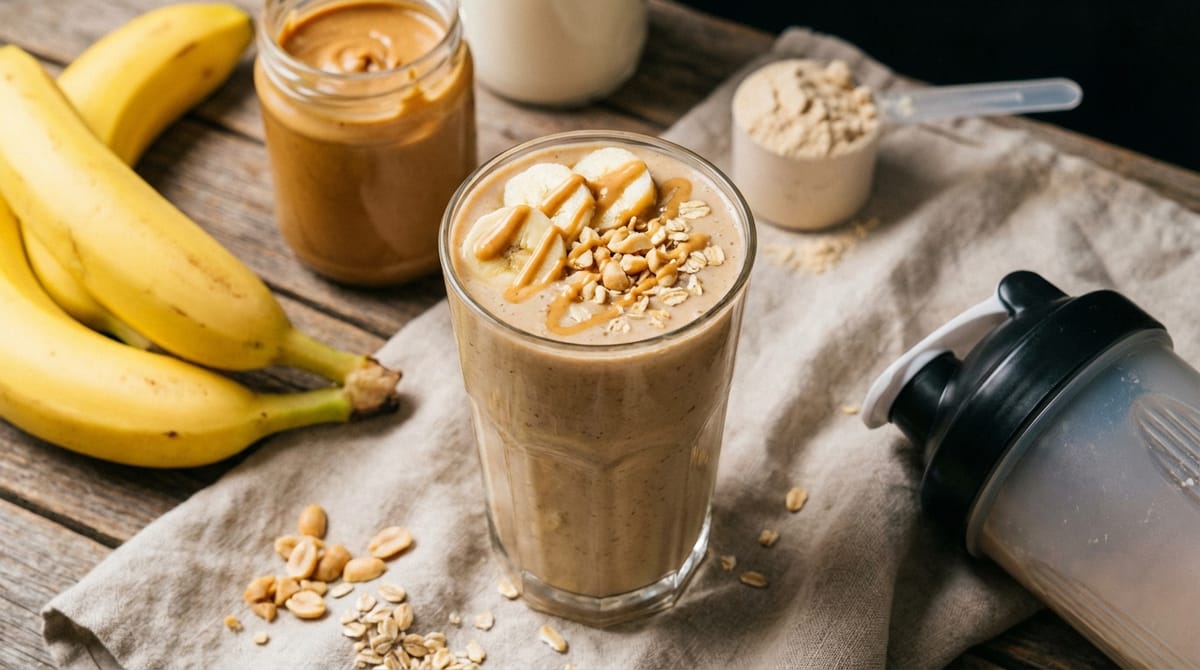
Peanut butter and banana might be one of the most beloved flavor combinations in American kitchens, and for good reason. This dynamic duo transforms into an exceptional protein smoothie that delivers both nutrition and satisfaction. Whether you're rushing out the door for work, recovering from an intense workout, or simply craving something creamy and delicious, this smoothie checks every box.
The beauty of a peanut butter banana protein smoothie lies in its versatility and nutritional density. With protein counts ranging from 13 to 37 grams per serving depending on your ingredient choices, this smoothie can be customized to match your specific dietary goals. The natural sweetness of banana eliminates the need for added sugars, while peanut butter provides healthy fats and that irresistible flavor that makes healthy eating feel like a treat.
What makes this smoothie particularly appealing is its simplicity. Most recipes require just three to five ingredients and take less than five minutes to prepare. Yet despite this simplicity, the nutritional payoff is substantial, making it a favorite among athletes, busy professionals, and health-conscious individuals alike.
Classic Peanut Butter Banana Protein Smoothie Recipe
This foundational recipe delivers approximately 37 grams of protein and 353 calories, making it ideal for post-workout recovery or a substantial breakfast replacement. The combination of ultrafiltered milk and whey protein creates a silky smooth consistency that rivals any coffee shop smoothie.
Ingredients
- 1 frozen banana
- 1 cup ultrafiltered milk (such as Fairlife)
- 1 scoop vanilla or chocolate whey protein powder
- 1 tablespoon PB2 powdered peanut butter (or regular peanut butter)
- 3-5 ice cubes (optional, for thicker consistency)
Instructions
- Add the frozen banana to your blender first, breaking it into chunks if needed for easier blending.
- Pour in the ultrafiltered milk, which provides additional protein beyond the powder.
- Add your protein powder. Vanilla works beautifully with this combination, but chocolate creates a dessert-like experience.
- Measure in the PB2 or peanut butter. PB2 contains 87 percent less fat than traditional peanut butter while maintaining the same flavor profile.
- Add ice cubes if you prefer a thicker, milkshake-like consistency.
- Blend on high speed for 45-60 seconds until completely smooth and creamy.
- Pour into a tall glass and enjoy immediately for the best texture and temperature.
The nutritional breakdown for this recipe includes 37 grams of carbohydrates and 7 grams of total fat, creating a balanced macronutrient profile that supports sustained energy throughout your morning.
Understanding Powdered Peanut Butter: The Game-Changer
Powdered peanut butter has revolutionized how we incorporate peanut flavor into smoothies without the caloric density of traditional peanut butter. Products like PB2 and PBfit are created through a process where Georgia-sourced peanuts are gently roasted, then pressed to extract the majority of the oil. This removes most of the fat and calories while preserving the protein and that distinctive roasted peanut flavor everyone loves.
The numbers tell a compelling story. Two tablespoons of traditional peanut butter contain approximately 188 calories and 16 grams of fat. The same serving size of PB2 delivers just 53-70 calories and only 2 grams of fat. Yet you still get 8 grams of protein, 3 grams of fiber, and essential minerals including iron, calcium, and potassium. This means you can enjoy the peanut butter taste you crave with roughly one-third the calories.
For smoothie applications, powdered peanut butter offers another significant advantage: it blends more easily and creates a smoother consistency than traditional peanut butter, which can sometimes create clumps or stick to the blender blades. The powder disperses evenly throughout the liquid, ensuring every sip delivers consistent flavor. If you prefer traditional peanut butter for its healthy fats and richer mouthfeel, you can certainly use it instead - just be aware that it will add approximately 90-100 additional calories per tablespoon.
Nutritional Benefits and Macro Breakdowns
The nutritional profile of your peanut butter banana protein smoothie varies significantly based on your ingredient choices, but all versions deliver substantial benefits. Bananas contribute potassium (essential for muscle function and recovery), vitamin B6, vitamin C, fiber, and manganese. A single banana provides about 422 milligrams of potassium, which is roughly 12 percent of your daily needs.
When you incorporate Greek yogurt into your recipe - using half a cup of vanilla Greek yogurt alongside your other ingredients - you boost both protein content and gut-friendly probiotics. This variation typically delivers around 19 grams of protein, 390 calories, 38 grams of carbohydrates, and 21 grams of fat. The probiotic content supports digestive health, while the additional protein helps with satiety, keeping you fuller longer.
For those seeking maximum protein with minimum calories, the ultrafiltered milk version with protein powder and PB2 is optimal. This combination provides 37 grams of protein for just 353 calories. The 37 grams of carbohydrates come primarily from the banana and milk's natural sugars, providing quick energy without added sweeteners.
A lighter version using basic ingredients - one frozen banana, one cup of almond milk, and four tablespoons of PBfit - delivers approximately 240 calories with 14 grams of protein, 38 grams of carbohydrates, and only 6 grams of fat. Unsweetened almond milk is naturally low in calories and sugar while being high in vitamin E and providing a good source of calcium despite being dairy-free.
The fiber content across most variations ranges from 4 to 6 grams per serving, supporting digestive health and contributing to that feeling of fullness that makes this smoothie so satisfying as a meal replacement.
Flavor Variations and Customization Options
Once you master the basic recipe, a world of flavor possibilities opens up. The chocolate peanut butter banana combination is perhaps the most popular variation. Simply add one tablespoon of unsweetened cocoa powder to your base recipe, or use chocolate-flavored protein powder instead of vanilla. Some recipes specifically call for chocolate whey protein, creating a smoothie that tastes remarkably like a peanut butter cup milkshake while delivering 33 grams of protein and 400 calories.
For coffee lovers, replace the milk with cold brew coffee and use vanilla yogurt. This creates a caffeinated breakfast option that combines your morning coffee with your protein needs. The coffee flavor pairs surprisingly well with both peanut butter and banana, creating a sophisticated taste profile.
A strawberry banana variation swaps half the banana for frozen strawberries, or you can replace added vegetables like cauliflower with strawberries for a fruity twist. Speaking of vegetables, many smoothie enthusiasts add a handful of baby spinach to boost nutritional content without significantly altering the taste - the strong peanut butter and banana flavors easily mask the mild spinach.
Texture modifications are equally important. If you prefer a thinner, more drinkable smoothie, simply add more milk in quarter-cup increments until you reach your desired consistency. For a thick, spoonable smoothie bowl, reduce the liquid by a quarter cup and add an extra half cup of ice cubes. You can then top your smoothie bowl with sliced bananas, granola, chia seeds, or additional nut butter drizzled on top.
Cinnamon is a warming addition that enhances the natural sweetness of banana - just a quarter teaspoon transforms the flavor profile. A half teaspoon of vanilla extract adds depth and rounds out all the other flavors. For additional nutrition without major flavor changes, consider adding flax seeds, chia seeds, or a tablespoon of oats for extra fiber and omega-3 fatty acids.
Best Practices for Preparation and Consistency
The secret to a perfectly smooth, creamy peanut butter banana smoothie lies in a few key preparation techniques. Always use frozen banana rather than fresh when possible. Freezing the banana creates that thick, creamy, almost ice cream-like texture that makes smoothies so appealing. Fresh banana works in a pinch, but you'll need to compensate by adding significantly more ice, which can water down the flavor.
To prepare bananas for smoothies, peel ripe bananas (the riper, the sweeter), break them into chunks, and store them in a freezer-safe bag. They'll keep for up to three months and be ready whenever you need them. Ripe bananas with brown spots are ideal because their starches have converted to sugars, making them sweeter and eliminating the need for honey or other sweeteners.
The order in which you add ingredients to your blender matters more than you might think. Start with liquids first - milk, yogurt, or a combination - then add the protein powder and peanut butter. This prevents the powder from sticking to the bottom of the blender. Add your frozen banana and ice last. This layering ensures everything blends evenly without leaving chunks or requiring you to stop and scrape down the sides.
Blender power makes a difference. High-speed blenders like Vitamix or Blendtec pulverize frozen fruit effortlessly, creating that silky consistency in under a minute. Standard blenders work fine but may require longer blending time and occasional pausing to redistribute ingredients. If your smoothie seems too thick to blend properly, add liquid in small amounts - just a tablespoon or two at a time - rather than dumping in a large quantity that might make it too thin.
Timing Your Smoothie for Optimal Benefits
When you drink your peanut butter banana protein smoothie significantly impacts how your body uses those nutrients. As a breakfast option, this smoothie provides sustained energy through the combination of complex carbohydrates, protein, and healthy fats. The protein helps stabilize blood sugar levels, preventing the mid-morning energy crash that often follows carbohydrate-heavy breakfasts. The natural sugars in banana provide immediate energy, while the protein and fats ensure that energy lasts for hours.
Post-workout consumption is where this smoothie truly shines. The 30-60 minute window after exercise is when your muscles are most receptive to nutrients. The carbohydrates in banana help replenish depleted glycogen stores, while the protein provides amino acids necessary for muscle repair and growth. The potassium in banana helps prevent cramping and supports proper muscle function. A smoothie with 33-37 grams of protein falls squarely in the optimal post-workout range for most individuals.
As a snack option, a smaller portion works beautifully. You can halve the recipe to create a 200-calorie snack that still delivers 15-18 grams of protein, perfect for bridging the gap between lunch and dinner without spoiling your appetite. Some people even enjoy this smoothie as a dessert alternative - the creamy texture and sweet flavor satisfy evening cravings while providing nutrition that cookies and ice cream simply cannot match.
For those practicing intermittent fasting, this smoothie makes an excellent first meal to break your fast. The balanced macronutrients ease your digestive system back into processing food without the shock that heavy, greasy foods can cause.
Ingredient Substitutions for Dietary Needs
The flexibility of this recipe makes it accessible to people with various dietary requirements and preferences. For dairy-free or vegan versions, swap regular milk for almond milk, coconut milk, oat milk, or soy milk. Each brings its own subtle flavor and nutritional profile. Almond milk is lowest in calories, coconut milk adds richness, oat milk provides creaminess and additional fiber, while soy milk offers the highest protein content among plant-based options.
Greek yogurt can be replaced with dairy-free yogurt alternatives made from coconut, almond, or cashew. These maintain the creamy texture and probiotic benefits while remaining plant-based. When selecting protein powder for vegan versions, choose pea protein, hemp protein, or brown rice protein instead of whey. These plant-based proteins have improved dramatically in recent years, with many brands now offering flavors and textures that rival dairy-based options.
For nut allergies, the peanut butter component requires the most creativity. Sunflower seed butter (also called sunbutter) provides a remarkably similar taste and texture to peanut butter while being completely nut-free. Tahini (sesame seed paste) works as well, though it brings a more savory, earthy flavor. Some people use pumpkin seed butter or even coconut butter as alternatives, though these change the flavor profile more significantly.
If you're watching sugar intake, be mindful that a single banana contains about 14 grams of natural sugar. You can use half a banana and add a quarter of an avocado for creaminess without the additional sugar. The avocado contributes healthy fats and creates an incredibly smooth texture while keeping the carbohydrate count lower. For those following ketogenic diets, this modification - along with using full-fat coconut milk and eliminating the banana entirely in favor of a full avocado - creates a high-fat, low-carb version that still delivers on flavor.
Protein powder selection deserves careful consideration. Whey protein isolate is fastest-absorbing and contains the highest protein percentage by weight. Whey concentrate costs less but contains more carbohydrates and fats. Casein protein digests more slowly, making it ideal for smoothies consumed before bed. Plant-based proteins vary widely in amino acid profiles, with pea protein being most comparable to whey in terms of muscle-building effectiveness.
Common Mistakes and How to Avoid Them
Even with such a simple recipe, several common pitfalls can prevent you from achieving smoothie perfection. The most frequent mistake is adding too much liquid, creating a thin, watery smoothie that lacks the satisfying thickness that makes this drink feel substantial. Start with the recommended amount of liquid and add more only if absolutely necessary. Remember, you can always thin a smoothie, but thickening one requires adding more frozen fruit or ice, which dilutes the flavor.
Another error is using protein powder past its prime or not storing it properly. Protein powder exposed to moisture clumps and develops an off taste. Always seal the container tightly and store it in a cool, dry place. Check expiration dates regularly, as expired protein powder loses nutritional value and can taste unpleasant.
Overblending is rarely discussed but can be problematic. Blending for too long - particularly in high-powered blenders - generates heat through friction, which can actually warm your cold smoothie and break down some of the nutrients. Forty-five to sixty seconds is typically sufficient. Your smoothie should be completely smooth with no visible chunks, but it should still be cold.
Using unripe bananas is a mistake that no amount of other ingredients can fix. Unripe bananas are starchy rather than sweet, and they can give your smoothie an unpleasant, almost chalky taste. Always use bananas that are fully yellow with brown spots beginning to appear. These are at peak sweetness and will blend most smoothly.
Finally, many people add unnecessary sweeteners like honey, maple syrup, or agave. The ripe banana provides ample sweetness for most palates. Taste your smoothie before adding any sweetener - you might be surprised to find it doesn't need any. If you do need a touch more sweetness, start with just a teaspoon rather than a tablespoon. Those extra sweeteners add calories without contributing meaningful nutrition.
Conclusion
The peanut butter banana protein smoothie represents the ideal intersection of nutrition, convenience, and flavor. Whether you're an athlete seeking optimal post-workout recovery, a busy professional needing a quick breakfast solution, or simply someone who appreciates delicious food that also happens to be healthy, this smoothie delivers on every front.
With protein options ranging from 13 to 37 grams per serving and endless possibilities for customization, you can tailor this recipe to your exact nutritional needs and taste preferences. The choice between traditional peanut butter and powdered versions like PB2 or PBfit allows you to control calorie and fat content without sacrificing flavor. The addition of Greek yogurt, various milk alternatives, and optional mix-ins like spinach, cinnamon, or cocoa powder means you'll never get bored with this recipe.
The simplicity of preparation - requiring just a few minutes and basic blender - removes all barriers to consistent healthy eating. By preparing ingredients in advance, particularly by keeping frozen banana chunks on hand, you can have a nutritious, satisfying meal ready in less time than it takes to go through a drive-through. The difference is that this meal actually fuels your body with quality nutrients rather than empty calories.
Start with the classic recipe provided here, then experiment with variations until you discover your perfect combination. Pay attention to timing - whether you're using this smoothie for breakfast energy, post-workout recovery, or as a healthy dessert alternative - and adjust the recipe accordingly. With these guidelines and techniques, you'll be creating smoothie shop-quality drinks in your own kitchen, saving money while taking control of exactly what goes into your body.
Sources
- Myprotein - High-Protein Peanut Butter Banana Smoothie
- Fit Mitten Kitchen - Peanut Butter Banana Smoothie
- BetterBody Foods - PBfit Banana Smoothie
- The Baking Chocolatess - Peanut Butter Banana Protein Smoothie
- University of Connecticut - Husky Nutrition Sport Education Peanut Butter Banana Smoothie
- Costco - Chocolate Peanut Butter Protein Smoothie Recipe
- UC San Diego Athletics - Chocolate Peanut Butter Banana Smoothie