Philly Cheesesteak with Whiz and Caramelized Onions
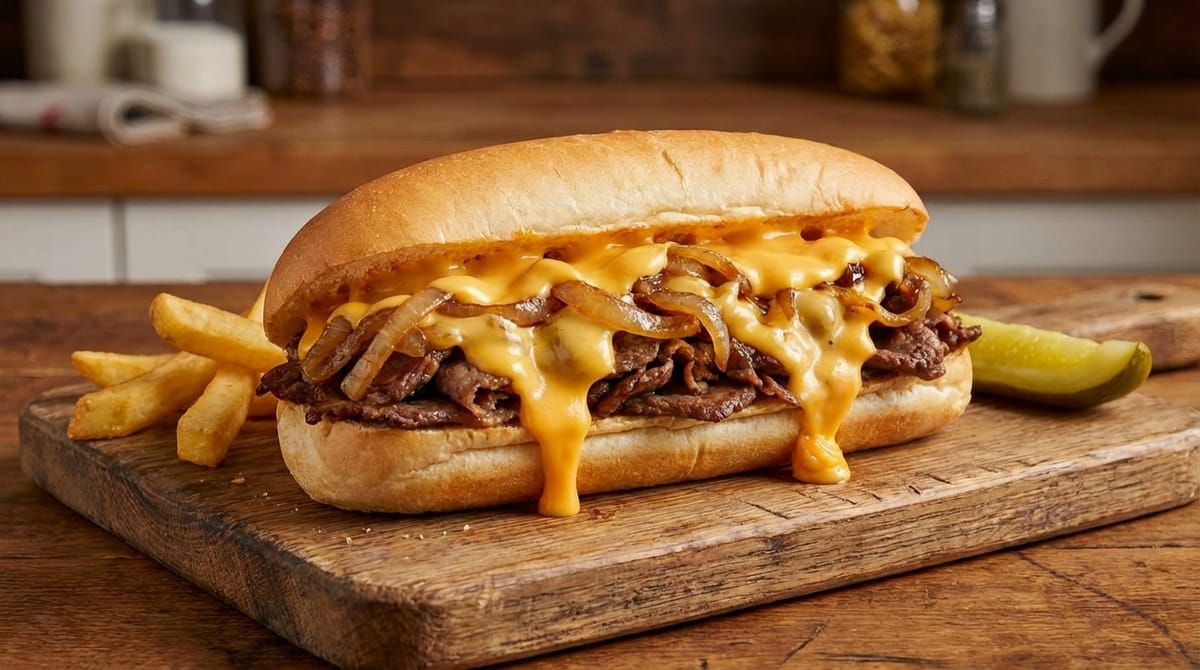
Philadelphia's most famous culinary export has sparked decades of passionate debate, but one truth remains undisputed: a proper Philly cheesesteak topped with Cheese Whiz and caramelized onions represents the sandwich at its most authentic. While cheese purists might scoff at the idea of processed cheese on a premium ribeye, locals know that the creamy, salty cascade of Whiz creates a texture and flavor profile that provolone and American cheese simply cannot replicate. The addition of deeply caramelized onions brings a sweet, complex dimension that balances the richness of the meat and cheese.
The cheesesteak's origins trace back to South Philadelphia in the 1930s, but it wasn't until Cheese Whiz hit the market in 1952 that the sandwich evolved into its most iconic form. Today, legendary establishments across Philadelphia embrace this processed cheese product without apology, understanding that authenticity sometimes means celebrating ingredients that might seem unconventional. The key to an exceptional cheesesteak lies not in expensive ingredients, but in proper technique - from slicing the meat paper-thin to achieving that perfect golden-brown caramelization on your onions.
Creating this sandwich at home requires attention to detail and a willingness to embrace methods that might seem unorthodox. The marriage of high-quality ribeye with humble Cheese Whiz demonstrates that great food transcends ingredient snobbery, focusing instead on flavor, texture, and tradition.
The Complete Philly Cheesesteak Recipe
This recipe yields four generous sandwiches that capture the essence of Philadelphia's most beloved street food. The process moves quickly once you begin cooking, so have all ingredients prepared and ready before you start.
Ingredients
- 20 to 24 ounces high-quality ribeye steak, sliced paper-thin or shaved
- 1.5 large white onions, cut into uniform 1/8-inch slices
- 4 fresh hoagie-style rolls
- 1 cup Cheese Whiz, warmed
- 8 slices white American cheese (optional, for layering)
- 6 tablespoons vegetable oil, divided
- 4 tablespoons salted butter, softened
- 2 tablespoons Worcestershire sauce
- 1 teaspoon salt
- 1/2 teaspoon garlic powder
- 1/4 teaspoon ground black pepper
Instructions
- Prepare the marinade by whisking together Worcestershire sauce, garlic powder, salt, black pepper, and 2 tablespoons of olive oil in a small bowl.
- Pour the marinade over the shaved steak in a shallow dish, ensuring even coating. Cover with plastic wrap and refrigerate for at least 30 minutes, though longer marination enhances flavor.
- Heat 2 tablespoons of vegetable oil in a large skillet or on a griddle over medium heat. Add the sliced onions and cook, stirring frequently, for 15 to 20 minutes until they transition from raw to translucent to deeply golden brown and caramelized. Remove and set aside.
- Increase heat to medium-high and add the remaining 2 tablespoons of oil. Working in batches if necessary, spread the marinated steak across the cooking surface in a thin layer.
- Cook the meat without moving it for 1 to 2 minutes to develop a sear, then chop and stir with a spatula until fully cooked and slightly crispy at the edges, about 3 to 4 minutes total. Season with additional salt and pepper to taste.
- While the meat cooks, heat the Cheese Whiz in the microwave for 30 to 45 seconds until pourable but not scorching hot.
- Butter the cut sides of the hoagie rolls and toast them on the griddle or in a separate pan until golden brown.
- To assemble, divide the cooked steak among the four rolls. If using American cheese slices, lay them over the hot meat first to melt, then top with caramelized onions. Finally, drizzle or spread the warm Cheese Whiz generously over the top.
- Serve immediately while the cheese is molten and the bread is still warm.
Selecting and Preparing the Steak
The foundation of any exceptional cheesesteak begins with the meat. Ribeye stands as the gold standard due to its marbling, tenderness, and rich flavor. The intramuscular fat melts during cooking, keeping the meat juicy and adding depth that leaner cuts cannot match. Top round offers a more economical alternative and remains traditional in many Philadelphia establishments, though it requires more careful cooking to avoid toughness.
Slicing the meat properly presents the biggest challenge for home cooks. Professional cheesesteak shops use commercial slicers to achieve the paper-thin shavings that cook in seconds and create the proper texture. At home, place your ribeye in the freezer for 45 minutes to an hour until it firms up but doesn't freeze solid. This partial freezing allows you to slice against the grain in sheets so thin you can nearly see through them. A sharp knife and patience make all the difference.
If slicing proves too difficult, many butchers will shave the meat for you upon request, or you can purchase pre-shaved steak from specialty grocers. The marinade serves double duty, both flavoring the meat and tenderizing it slightly through the acidity of the Worcestershire sauce. Don't skip this step even if you're pressed for time - even 15 minutes of marination improves the final result significantly.
The Art of Caramelizing Onions
True caramelization transforms sharp, pungent raw onions into sweet, complex, deeply flavored strands that provide essential contrast to the rich meat and cheese. This process cannot be rushed. Many recipes claim you can caramelize onions in five minutes, but authentic caramelization requires patience and proper technique.
White onions work beautifully for cheesesteaks, offering a clean flavor that doesn't overpower the other ingredients. Sweet onions like Vidalia or Maui varieties bring additional natural sugars that enhance caramelization and create an even more pronounced sweetness. Regardless of variety, uniform slicing ensures even cooking - aim for consistent 1/8-inch slices that will cook at the same rate.
Medium heat proves crucial. Too high and the onions will brown on the outside while remaining raw inside, or worse, burn before they soften. Too low and they'll steam rather than caramelize. You're looking for a steady sizzle as the onions cook, releasing their moisture and gradually concentrating their sugars. Stir frequently to prevent sticking and ensure even browning. The entire process takes 15 to 20 minutes, during which the onions will reduce significantly in volume.
The visual cues tell you everything. First, the onions turn translucent as their cell walls break down. Then they begin to color, taking on a light golden hue that deepens to rich amber. The finished product should be soft, jammy, and deeply browned without any black or burnt bits. If you notice burning, reduce the heat and add a splash of water to deglaze the pan.
Understanding Cheese Whiz
Cheese Whiz occupies a controversial position in American cuisine, beloved by some and dismissed by others as an abomination of processed food culture. In the context of Philly cheesesteaks, however, it achieves something that natural cheeses cannot. The processed cheese product melts at a lower temperature and maintains a smooth, pourable consistency that saturates every crevice of the sandwich. It never breaks or becomes grainy, and its salty, tangy flavor complements beef in a way that feels both nostalgic and entirely appropriate.
The product comes in both jarred and canned varieties. The jarred version offers easier heating and serving, while the canned spray provides convenience at the cost of slightly different texture. For cheesesteaks, the jarred Cheese Whiz reigns supreme. Warm it gently in the microwave in 30-second intervals, stirring between each heating. You want it fluid enough to drizzle or spread easily, but not so hot that it becomes thin and watery.
Some recipes incorporate both Cheese Whiz and American cheese slices, layering the American directly on the hot meat where it melts into a gooey foundation, then topping everything with Whiz. This dual-cheese approach creates incredible richness and ensures every bite delivers that signature creamy texture. Don't knock this combination until you've tried it - the interplay between the two processed cheeses creates something greater than either could achieve alone.
Choosing the Right Roll
The bread makes or breaks a cheesesteak. Philadelphia's famous Amoroso rolls set the standard with their soft interior, sturdy structure, and slightly chewy crust that holds up to generous fillings without disintegrating. Outside the Philadelphia area, finding authentic Amoroso rolls proves challenging, but quality hoagie rolls from Italian bakeries provide excellent alternatives.
Look for rolls that measure 8 to 10 inches long with a soft, airy crumb. The crust should offer some resistance without being hard or crusty like a baguette. The roll needs structural integrity to support the weight of meat, onions, and cheese, but it should never be tough or chewy. Fresh bread matters enormously - day-old rolls work in a pinch, but truly fresh bread elevates the entire sandwich.
Toasting the rolls is non-negotiable. Butter the cut sides generously and press them onto your griddle or into a hot pan until golden brown. This creates a slight barrier that helps prevent the bread from becoming soggy, adds flavor through the browned butter, and provides textural contrast. The toasted interior should be crispy while the exterior remains soft.
Cooking Techniques and Equipment
Professional cheesesteak shops cook on large flat-top griddles that provide even heat and ample space for simultaneously preparing multiple components. At home, a large cast-iron skillet or griddle pan delivers excellent results. The key is high, even heat that sears the meat quickly while allowing you to chop and mix it as it cooks.
The traditional method involves spreading the meat in a thin layer, letting it sear briefly, then using metal spatulas to chop it into smaller pieces while it continues cooking. This technique creates varied textures - some pieces develop crispy, caramelized edges while others remain tender and juicy. Don't crowd the pan. If your cooking surface isn't large enough to accommodate all the meat in a single layer, work in batches. Crowding causes steaming rather than searing, resulting in gray, boiled-tasting meat instead of the flavorful, slightly crispy beef you're after.
Temperature control separates good cheesesteaks from great ones. The onions require patient, moderate heat for proper caramelization. The meat demands high heat for quick cooking and proper browning. Adjust your burner between steps rather than trying to compromise with medium heat throughout. This attention to temperature ensures each component reaches its full potential.
Assembly and Serving
Timing matters when assembling cheesesteaks. Everything should be hot - the meat fresh off the griddle, the onions warmed through, the cheese melted and fluid, the rolls just toasted. Work quickly to maintain these temperatures, as cheesesteaks lose their power as they cool.
Start with the toasted roll. Pile the hot, chopped steak into the roll, distributing it evenly from end to end. If using American cheese slices, lay them over the meat immediately so residual heat begins melting them. Add a generous portion of caramelized onions, spreading them across the meat. Finally, drizzle or spread the warm Cheese Whiz over everything, ensuring coverage from one end of the sandwich to the other.
Some purists eat their cheesesteaks plain, letting the meat, cheese, and onions speak for themselves. Others add hot peppers, sweet peppers, or mushrooms. Ketchup remains controversial - many Philadelphians consider it sacrilege, while others embrace it without shame. There are no wrong answers when it comes to personal preference, though traditionalists argue that a properly made cheesesteak needs nothing beyond what's already there.
Serve immediately with napkins - lots of napkins. These sandwiches are gloriously messy, with cheese and juices running down your hands as you eat. That's part of the experience. Pair with chips, fries, or simply enjoy the sandwich on its own. Cold beer or soda provides the perfect beverage accompaniment.
Conclusion
The Philly cheesesteak with Cheese Whiz and caramelized onions represents more than just a sandwich - it's a cultural icon that proves great food doesn't require fancy ingredients or complicated techniques. Success lies in respecting the process: properly caramelizing those onions until they're sweet and golden, slicing the ribeye thin enough to cook in seconds, warming the Cheese Whiz to perfect pourability, and toasting the rolls until they're crispy on the inside but still soft on the outside.
This sandwich embraces its working-class roots and processed cheese product without apology, understanding that authenticity sometimes means celebrating ingredients that food snobs might dismiss. The combination of tender, well-marbled beef, sweet caramelized onions, and creamy, salty Cheese Whiz creates a flavor profile that has satisfied countless people for decades. Whether you're recreating a taste of Philadelphia at home or discovering this iconic sandwich for the first time, following these techniques ensures results that honor the tradition while delivering maximum flavor. The key is committing fully to the process, embracing the Cheese Whiz, and enjoying every messy, delicious bite.