Slow-Smoked Baby Back Ribs with Kansas City BBQ Sauce
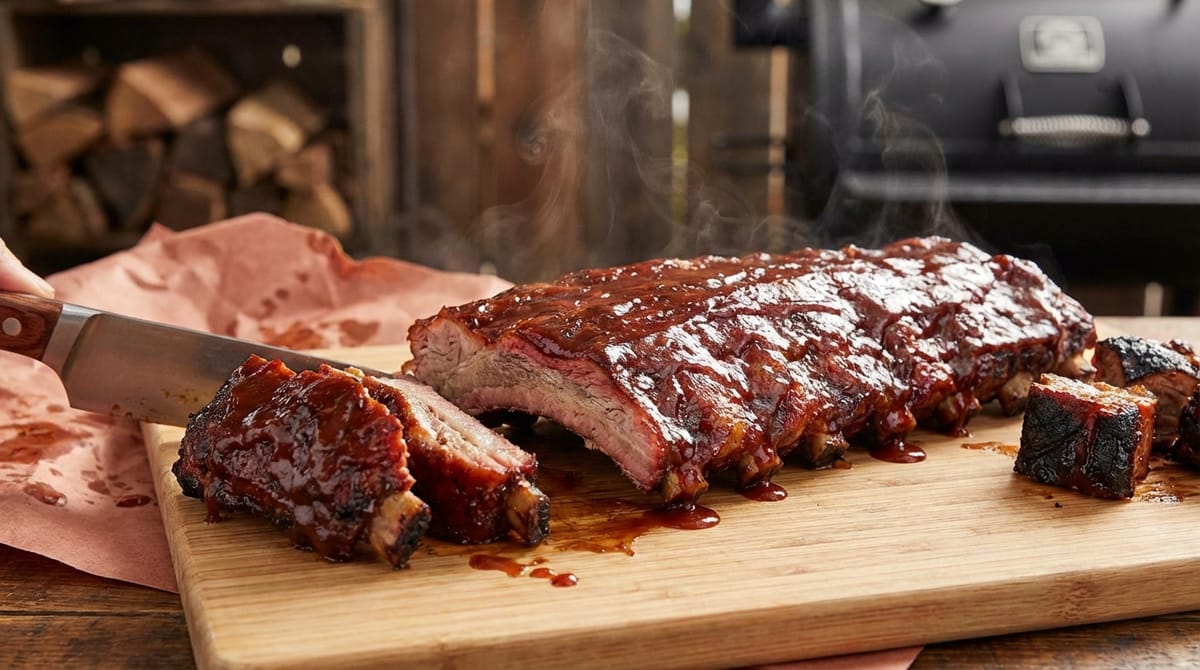
Baby back ribs represent the pinnacle of American barbecue tradition, and when paired with the thick, sweet-tangy complexity of Kansas City-style sauce, they become something truly extraordinary. The process of slow-smoking these ribs transforms tough connective tissue into tender, pull-apart perfection while infusing every fiber with rich wood smoke. Unlike other regional barbecue styles that rely heavily on vinegar or mustard bases, Kansas City sauce brings a balanced sweetness from molasses and brown sugar, cut with the acidity of tomato and vinegar to create that signature glaze everyone recognizes.
Smoking ribs properly requires patience, attention to temperature control, and an understanding of how smoke penetrates meat over time. The low-and-slow method - maintaining temperatures around 225°F for several hours - breaks down collagen gradually while allowing smoke compounds to build layers of flavor. This technique, combined with a well-balanced dry rub and the right wood selection, creates bark on the exterior that provides textural contrast to the succulent meat beneath.
Whether you're using a traditional offset smoker, a pellet grill, or even adapting the technique to a slow cooker with liquid smoke, the fundamental principles remain consistent: proper seasoning, controlled heat, adequate time, and finishing with that iconic Kansas City sauce that defines this style of barbecue.
Complete Recipe for Smoked Baby Back Ribs
Ingredients for the Ribs:
- 2 racks baby back pork ribs (approximately 2-3 pounds each)
- 1/4 cup yellow mustard (as binder)
- 2 tablespoons butter
- Hickory or apple wood chunks for smoking
Dry Rub Ingredients:
- 1/4 cup brown sugar
- 2 tablespoons sweet paprika
- 1 tablespoon garlic powder
- 1 tablespoon onion powder
- 1 tablespoon chili powder
- 1 teaspoon salt
- 1 teaspoon black pepper
Kansas City BBQ Sauce Ingredients:
- 2 cups tomato sauce or ketchup
- 1/2 cup apple cider vinegar
- 1/4 cup tomato paste
- 1/4 cup molasses
- 1/4 cup brown sugar
- 2 tablespoons Worcestershire sauce
- 1 yellow onion, finely diced
- 4 cloves garlic, minced
- 2 tablespoons canola oil
- 1 teaspoon paprika
- 1/2 teaspoon black pepper
Preparation Steps:
- Remove the membrane from the bone side of each rib rack by sliding a butter knife underneath and peeling it away completely. This step is crucial for allowing smoke and seasoning to penetrate the meat.
- Combine all dry rub ingredients in a bowl, mixing thoroughly to distribute spices evenly.
- Apply a thin layer of yellow mustard to all surfaces of the ribs - this acts as a binder and won't impart mustard flavor after cooking.
- Generously coat the ribs with the dry rub mixture, pressing it into the meat. Let the seasoned ribs rest at room temperature for 30-45 minutes, or refrigerate for up to 24 hours for deeper flavor penetration.
- Prepare your smoker by bringing it to a stable temperature of 225°F. Add hickory or apple wood chunks to your fire box or smoking chamber.
- Place the ribs bone-side down on the grate, ensuring adequate space between racks for smoke circulation.
- Maintain consistent temperature between 225-250°F and smoke for 5 hours, adding wood chunks every 45-60 minutes to maintain steady smoke production.
- After the initial smoking period, check for doneness - the meat should have pulled back from the bones about 1/4 inch, and the internal temperature should reach at least 145°F, though 190-203°F is ideal for maximum tenderness.
- During the final 30 minutes, brush the ribs with Kansas City BBQ sauce and allow it to caramelize on the surface.
- Remove ribs from the smoker, apply a final coat of sauce, dot with butter, and let rest for 10-15 minutes before cutting between bones to serve.
Kansas City BBQ Sauce Preparation:
- Heat canola oil in a medium saucepan over medium heat.
- Add diced onion and cook until translucent, approximately 5-7 minutes.
- Add minced garlic and cook for an additional minute until fragrant.
- Stir in tomato paste and paprika, cooking for 2 minutes to deepen the flavors.
- Add tomato sauce, apple cider vinegar, molasses, brown sugar, Worcestershire sauce, and black pepper.
- Bring the mixture to a simmer, then reduce heat to low and cook for 20-30 minutes, stirring occasionally until the sauce thickens to desired consistency.
- Taste and adjust seasoning as needed - add more brown sugar for sweetness or vinegar for tang.
Understanding Kansas City Barbecue Tradition
Kansas City established itself as America's barbecue capital through a unique combination of cultural influences and geographical advantages. Unlike the vinegar-based sauces of the Carolinas or the dry rubs of Memphis, Kansas City developed a sauce profile that emphasizes tomato as the base, sweetness from molasses and brown sugar, and a complex spice blend that creates depth without overwhelming heat.
This style emerged from the city's position as a major railroad hub where different regional traditions converged. Pitmasters incorporated elements from various barbecue cultures while developing their own distinct approach. The result is a thick, glossy sauce that clings to meat and caramelizes beautifully under heat, creating that signature sticky-sweet exterior that defines Kansas City ribs.
The sauce's versatility makes it ideal for baby back ribs specifically because it complements the naturally sweeter, more delicate flavor of this cut without masking it. The tomato base provides acidity that helps cut through the richness of pork fat, while molasses adds a subtle bitterness that balances the brown sugar's sweetness. This careful equilibrium is what separates authentic Kansas City sauce from generic sweet barbecue sauces.
Selecting and Preparing Baby Back Ribs
Baby back ribs come from the upper portion of the pig's rib cage, where they connect to the backbone beneath the loin muscle. Despite the name, they're not from baby pigs - the term refers to their smaller size compared to spare ribs. A typical rack weighs between 1.5 to 2.5 pounds and contains 10 to 13 bones. The meat on baby backs is leaner and more tender than spare ribs, with less connective tissue, making them ideal for shorter smoking times.
When selecting ribs at the butcher or grocery store, look for racks with good meat coverage between the bones, avoiding those with excessive exposed bone. The meat should appear pink to red with white fat marbling throughout. Avoid racks with a lot of surface moisture or those that feel slimy, as these indicate age or improper storage. Flexibility is another good indicator - fresh ribs should bend slightly when you lift one end of the rack.
The membrane removal step cannot be skipped. This thin, silvery layer on the bone side creates a barrier that prevents smoke and seasoning from penetrating the meat. It also becomes tough and chewy when cooked, creating an unpleasant texture. Use a paper towel to grip the membrane once you've loosened it with a knife - the towel provides traction on the slippery surface, making removal much easier.
The Science of Low and Slow Smoking
Smoking ribs at 225°F for several hours accomplishes several critical transformations that cannot be rushed. Collagen, the connective tissue that makes raw ribs tough, begins breaking down into gelatin at temperatures above 160°F. This process takes time - the longer collagen remains in the temperature sweet spot of 180-205°F, the more it converts to gelatin, which is what creates that fall-off-the-bone tenderness. Rushing this process with higher heat results in meat that's cooked but still chewy because the collagen hasn't had adequate time to transform.
Smoke penetration occurs most effectively during the first few hours of cooking when the meat surface is cool and moist. As proteins cook, they form a barrier called the pellicle that limits further smoke absorption. This is why maintaining clean, thin blue smoke early in the cook is crucial - thick white smoke indicates incomplete combustion and can deposit bitter, acrid flavors. The goal is steady, consistent smoke from well-seasoned wood that has been allowed to ignite properly before placing meat in the chamber.
Temperature stability matters more than hitting an exact number. Fluctuations cause the meat to contract and expand repeatedly, squeezing out moisture and creating dry, stringy texture. A smoker that holds steady at 240°F will produce better results than one that swings between 200°F and 275°F, even if it averages 225°F. This is where quality equipment and proper fire management make the difference between good ribs and exceptional ones.
Wood Selection and Smoke Management
Hickory remains the traditional choice for Kansas City-style barbecue because it produces a strong, bacon-like smoke flavor that stands up to the bold sauce. The smoke has a slightly sweet quality that complements pork particularly well. However, hickory can become overpowering if used excessively or with poor combustion, so moderation and proper fire management are essential.
Apple wood offers a milder, slightly fruity smoke that many pitmasters prefer for baby back ribs specifically. Because baby backs are leaner and more delicate than spare ribs, the gentler smoke profile allows the pork flavor to remain prominent while still adding complexity. Many competition teams use a blend of hickory and apple or cherry wood to achieve a balanced smoke flavor that enhances rather than dominates.
Avoid using wood chunks that are too small, as they burn too quickly and create temperature spikes. Pieces roughly the size of your fist provide steady smoke for 45-60 minutes. Soaking wood is unnecessary and actually counterproductive - wet wood creates steam and white smoke as it dries before it can combust properly. Dry, seasoned wood that ignites cleanly produces the thin blue smoke that creates the best flavor.
The 3-2-1 Method and Alternatives
Many pitmasters follow the 3-2-1 method for spare ribs: 3 hours unwrapped, 2 hours wrapped in foil with liquid, and 1 hour unwrapped with sauce. For baby back ribs, this timing is typically adjusted to 2-2-1 or even eliminated entirely in favor of continuous unwrapped smoking. The wrapping phase, often called the Texas crutch, accelerates cooking and helps retain moisture by essentially braising the ribs in their own juices along with added liquid like apple juice or beer.
However, wrapping comes with tradeoffs. While it guarantees tender ribs and reduces cooking time, it also softens the bark - that flavorful, textured crust that develops on the surface during smoking. For competition-style ribs where tenderness is paramount, wrapping makes sense. For backyard cooking where bark and smoke flavor are priorities, many prefer to smoke unwrapped for the entire duration, accepting slightly longer cooking times in exchange for superior texture and smoke penetration.
The continuous unwrapped method used in the main recipe produces ribs with more pronounced smoke flavor and better bark development. By maintaining steady temperature and allowing adequate time, you achieve tenderness without sacrificing the textural elements that make smoked ribs special. The key is monitoring for doneness indicators rather than relying solely on time - when the meat has pulled back from the bones and the rack bends easily when lifted from the center, they're ready.
Sauce Application Timing and Technique
Kansas City-style ribs are known for their glossy, caramelized sauce coating, but applying sauce at the wrong time creates problems. Sugar burns easily, so brushing on thick sauce too early in the cook results in a blackened, bitter exterior rather than the desired mahogany glaze. The final 30-45 minutes of cooking is the ideal window for sauce application - the meat is nearly done, temperatures are stable, and there's enough time for the sauce to set without burning.
Apply sauce in thin layers rather than one thick coating. Brush on a layer, let it cook for 10-15 minutes until it becomes tacky, then add another layer. This builds up gradually, creating multiple thin strata that concentrate flavor and create that signature sticky texture. Three to four thin applications produce better results than dumping on sauce all at once.
Reserve some sauce for serving alongside the ribs. While the cooked-on glaze is essential for authentic Kansas City presentation, having additional sauce available allows diners to adjust to their preference. Some prefer a lighter coating that lets the smoke and rub shine through, while others want ribs swimming in sauce. Serving extra sauce on the side accommodates both camps without compromising the cooking process.
Adapting Techniques for Different Equipment
Not everyone has access to a traditional offset smoker, but excellent ribs can be achieved with various equipment types by understanding how to adapt the fundamental principles. Pellet grills offer exceptional temperature stability and convenience, making them ideal for beginners. The automated pellet feed maintains consistent heat and smoke, though the smoke flavor tends to be lighter than traditional wood-burning smokers. Compensate by using stronger smoke wood pellets or adding a smoke tube for additional smoke during the first few hours.
Kettle grills like the Weber can produce outstanding ribs using the two-zone method. Bank coals on one side and place ribs on the opposite side for indirect heat. Add wood chunks directly on the coals for smoke. The challenge is maintaining stable temperatures for 5 hours, which requires adding fresh coals every 45-60 minutes. A water pan placed between the coals and meat helps stabilize temperature and adds moisture to the cooking environment.
For those without outdoor smoking equipment, a slow cooker adaptation can produce surprisingly good results, though it won't replicate true smoked flavor. The method involves seasoning ribs with the dry rub, layering them in the slow cooker with sliced onions and garlic, adding a small amount of liquid smoke to approximate wood smoke flavor, and cooking on low for 8-9 hours. During the final hour, coat the ribs with Kansas City sauce. While this doesn't create bark or authentic smoke rings, it does produce tender, flavorful ribs when outdoor smoking isn't possible.
Troubleshooting Common Problems
Dry ribs result from cooking at too high a temperature or cooking too long after the meat has reached optimal tenderness. Baby back ribs are leaner than spare ribs, so they have less fat to keep them moist during extended cooking. If your ribs consistently come out dry, reduce cooking temperature by 15-20 degrees and check for doneness earlier. Wrapping for a portion of the cook also helps retain moisture, though it sacrifices some bark development.
Tough, chewy ribs indicate insufficient cooking time or temperature fluctuations that prevented collagen from breaking down properly. The meat should offer slight resistance when you bite into it but should not require aggressive chewing. If ribs are tough, they simply need more time at stable temperature. Don't try to compensate by cranking up the heat - this will dry out the exterior while the interior remains tough.
Bitter smoke flavor comes from incomplete wood combustion or using too much smoke. Ensure wood chunks are burning cleanly with thin blue smoke rather than billowing white smoke. If your smoker produces heavy smoke, reduce the amount of wood you're adding. Remember that smoke penetration is most effective in the first few hours - you don't need continuous heavy smoke for the entire cook. Many experienced pitmasters stop adding wood after the first 3 hours, allowing the ribs to finish cooking with residual heat and minimal additional smoke.
Conclusion
Mastering slow-smoked baby back ribs with Kansas City BBQ sauce requires understanding the interplay between time, temperature, smoke, and seasoning. The process cannot be rushed - low temperatures maintained over several hours allow collagen to transform into gelatin while smoke compounds build layers of flavor that penetrate deep into the meat. The dry rub creates a flavorful crust, the smoking process adds complexity and tenderness, and the Kansas City sauce provides that signature sweet-tangy glaze that defines this barbecue style.
Success comes from attention to fundamentals: removing the membrane, applying a balanced rub, maintaining stable smoking temperatures around 225°F, using quality wood for clean smoke, and timing sauce application to create caramelization without burning. Whether you're using a traditional offset smoker, a pellet grill, or adapting the technique to available equipment, these principles remain constant.
The reward for your patience is ribs with a mahogany bark, a pink smoke ring just beneath the surface, and meat so tender it pulls cleanly from the bone with minimal effort. Paired with classic sides like coleslaw, baked beans, and cornbread, these ribs represent American barbecue at its finest - a celebration of smoke, fire, and time-honored technique that turns simple ingredients into something memorable.