Texas-Style Migas with Crispy Tortillas and Salsa Verde
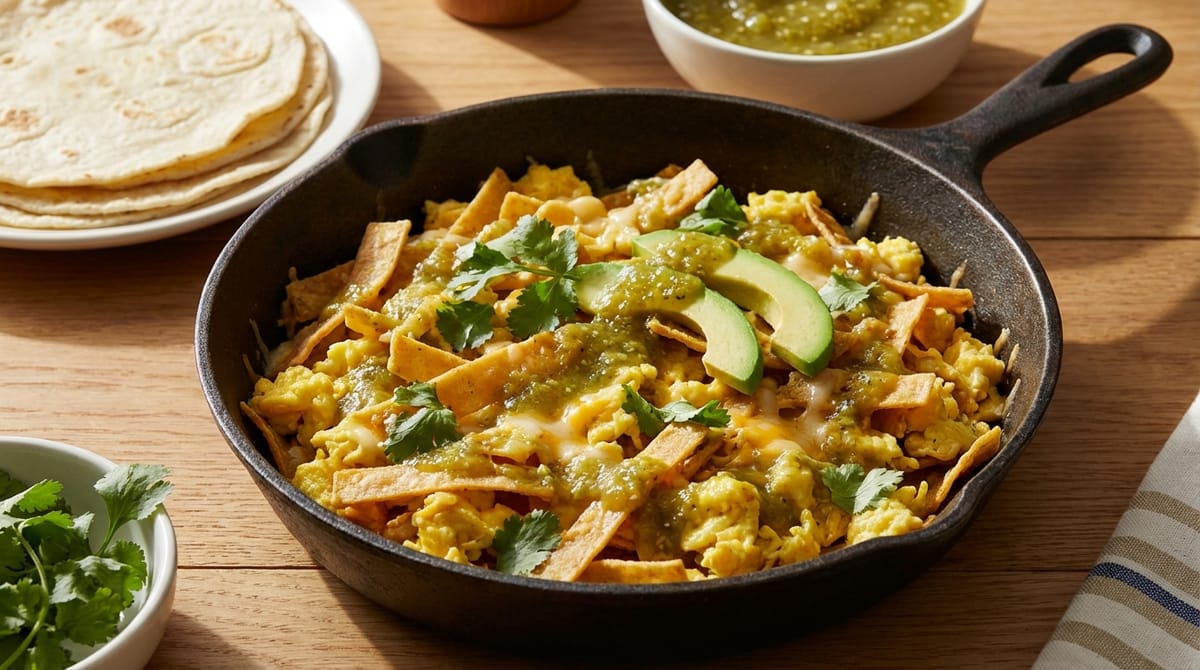
Migas represent one of the most beloved breakfast traditions in Texas, particularly in Austin where this dish has achieved near-legendary status. The name comes from the Spanish word for "crumbs," but don't let that humble origin fool you - this Tex-Mex creation transforms simple ingredients into something extraordinary. At its core, migas combine crispy corn tortilla strips with fluffy scrambled eggs, sautéed peppers and onions, melted cheese, and a generous helping of fresh salsa verde. What makes this dish truly special is the textural contrast: the tortilla strips soften slightly when mixed with the eggs while maintaining just enough crunch to create an addictive bite.
Unlike other egg dishes that fade into the background of your morning routine, migas demand attention. The combination of savory eggs, the corn flavor from the tortillas, the brightness of salsa verde, and the richness of melted cheese creates a flavor profile that's both comforting and exciting. This isn't just scrambled eggs with some additions - it's a carefully orchestrated dish where every component plays a crucial role.
The beauty of migas lies in their accessibility. You can prepare them in about 20 minutes using ingredients readily available at any grocery store. Whether you're looking for a satisfying weekend brunch, a quick weekday breakfast, or even a late-night meal after a long evening, migas deliver every time.
The Complete Migas Recipe
This recipe serves 4 people and takes approximately 20 minutes from start to finish. The key to exceptional migas is using corn tortillas cut into strips and fried until crispy - not tortilla chips from a bag. While chips can work in a pinch, fresh-fried tortilla strips provide superior texture and flavor.
Ingredients
For the Tortilla Strips:
- 4 corn tortillas, cut into ½-inch wide strips about 2 inches long
- 1 cup vegetable oil for frying
For the Vegetables:
- 2 tablespoons vegetable oil
- ½ medium yellow onion, diced
- ¼ cup red bell pepper, stemmed, seeded, and chopped
- ½ Hatch chile, Anaheim, poblano, or jalapeño pepper, stemmed, seeded, and cut into ¼-inch squares
- 1 clove garlic, minced
For the Eggs:
- 4 tablespoons unsalted butter
- 8 large eggs, beaten
- 1 cup Oaxaca cheese or Monterey Jack cheese, grated
- Kosher salt to taste
For Serving:
- Fresh salsa verde
- Additional cheese (optional)
- Warm flour tortillas (optional)
- Sliced avocado (optional)
- Fresh cilantro (optional)
Instructions
- Heat 1 cup of vegetable oil in a heavy skillet over medium-high heat until it reaches approximately 350°F. The oil should be hot enough that a test piece of tortilla sizzles immediately when added.
- Working in batches to avoid crowding, carefully add the tortilla strips to the hot oil. Fry for 1-2 minutes, turning occasionally, until golden brown and crispy. Remove with a slotted spoon and drain on paper towels. Season lightly with salt while still hot.
- Pour out the frying oil and wipe the skillet clean. Return it to medium heat and add 2 tablespoons of fresh vegetable oil.
- Add the diced onion and cook for 2-3 minutes until it begins to soften and turn translucent.
- Add the chopped bell pepper and chile pepper. Sauté for another 2-3 minutes until the vegetables are tender but still have some texture.
- Add the minced garlic and cook for 30 seconds until fragrant, stirring constantly to prevent burning.
- Reduce heat to medium-low and add the butter to the skillet. Allow it to melt completely.
- Pour in the beaten eggs and let them sit undisturbed for about 20 seconds to begin setting on the bottom.
- Using a spatula, gently push the eggs from the edges toward the center, tilting the pan to allow uncooked egg to flow to the edges. Continue this process until the eggs are mostly cooked but still slightly wet - they should look creamy and soft, not dry.
- When the eggs are about 80% cooked, add the crispy tortilla strips and grated cheese. Gently fold everything together, allowing the residual heat to melt the cheese and finish cooking the eggs.
- Remove from heat immediately. The eggs will continue cooking from residual heat, so it's better to pull them slightly early than risk overcooking.
- Serve immediately with generous spoonfuls of salsa verde and any additional toppings you desire.
Understanding the Tortilla Component
The tortilla strips are what distinguish migas from ordinary scrambled eggs. This component requires some attention to detail but makes all the difference in the final dish. Fresh corn tortillas work best - if yours are particularly fresh and pliable, you can leave them out for an hour or two to dry slightly, which helps them crisp up better during frying.
Cut the tortillas into strips rather than random pieces. The uniform size ensures even cooking and creates a more refined presentation. The strips should be about ½-inch wide and 2 inches long, though exact measurements aren't critical. What matters is consistency so they all fry at the same rate.
When frying, maintain the oil temperature. If it's too cool, the tortillas will absorb excess oil and become greasy rather than crispy. If it's too hot, they'll brown too quickly on the outside while remaining soft inside. You want a steady sizzle when the tortillas hit the oil. They should turn golden brown within 1-2 minutes. Don't walk away during this step - tortillas can go from perfectly crispy to burnt in seconds.
Some cooks prefer using day-old tortillas that have already started to dry out. This reduces the moisture content and results in crispier strips that hold their texture longer when mixed with the eggs. If you're using fresh tortillas and want them to stay extra crispy, you can add them to the eggs at the very last moment, just before serving.
Crafting the Perfect Salsa Verde
While store-bought salsa verde works perfectly well for busy mornings, homemade salsa takes your migas from great to extraordinary. Salsa verde, or green salsa, is traditionally made from tomatillos - those small green fruits wrapped in papery husks that you'll find in the produce section near the tomatoes.
For a basic salsa verde, you'll need about one pound of tomatillos, one or two jalapeños or serrano peppers depending on your heat preference, half a white onion, two cloves of garlic, a handful of fresh cilantro, and salt to taste. Remove the husks from the tomatillos and rinse them well to remove the sticky residue. You can roast the tomatillos, peppers, onion, and garlic under the broiler for 5-7 minutes until they're charred and softened, which adds depth and smokiness to the salsa. Alternatively, you can boil them for about 10 minutes until tender for a brighter, fresher flavor.
Once cooked, blend everything together with the cilantro and salt until you reach your desired consistency. Some people prefer a chunky salsa with visible pieces, while others like it completely smooth. The salsa should be tangy from the tomatillos with a bright, fresh flavor that cuts through the richness of the eggs and cheese. The acidity is essential - it balances the dish and prevents it from feeling too heavy.
If you're short on time, look for a quality salsa verde at your grocery store. Check the ingredients list and choose one with tomatillos as the first ingredient and minimal additives. The salsa should taste bright and tangy, not overly salty or artificial.
Choosing Your Peppers and Vegetables
The vegetable component in migas provides both flavor and texture. The combination of onions and peppers creates a savory base that complements the eggs without overwhelming them. Yellow onions work best because they soften nicely and add a subtle sweetness when cooked. Red bell peppers contribute color and a mild, slightly sweet flavor that contrasts with the spicier chile peppers.
For the chile pepper, you have several excellent options. Hatch chiles, when in season, bring a distinctive earthy flavor with moderate heat. Anaheim peppers offer similar characteristics and are more widely available year-round. Poblano peppers provide a rich, complex flavor with very mild heat, making them ideal if you're cooking for people with varying spice tolerances. Jalapeños deliver more heat and a bright, grassy flavor. If you want significant spice, leave some of the seeds and membranes intact; for milder heat, remove them completely.
The key is cutting the vegetables into small, uniform pieces so they cook quickly and distribute evenly throughout the eggs. The onions should be diced into roughly ¼-inch pieces, and the peppers cut into similar-sized squares. This ensures every bite contains a good mix of all the components.
Mastering the Eggs
The eggs are the foundation of migas, so cooking them properly is crucial. Start with good quality, fresh eggs - they'll have better flavor and create fluffier scrambles. Beat the eggs thoroughly before adding them to the pan, which incorporates air and helps create a lighter texture. Some cooks add a splash of milk or cream, but this isn't necessary and can actually make the eggs watery if you add too much.
Temperature control is everything when scrambling eggs. Medium-low heat is your friend. High heat might seem like it would speed things up, but it actually leads to rubbery, overcooked eggs with that unfortunate sulfurous smell. The butter should melt and foam but not brown. When you add the eggs, they should gently sizzle, not violently bubble.
The technique of pushing the eggs from the edges to the center while tilting the pan is essential. This method creates large, soft curds rather than small, dry pieces. Be patient - good scrambled eggs take a few minutes. They should look slightly wet and glossy when you remove them from heat because they'll continue cooking for another 30 seconds or so from residual heat. If they look fully cooked in the pan, they'll be overcooked by the time they hit the plate.
Adding the cheese at the end allows it to melt from the residual heat without becoming greasy or separated. Oaxaca cheese is traditional and melts beautifully into long, satisfying strings. Monterey Jack is an excellent substitute that's easier to find and melts smoothly. Avoid pre-shredded cheese if possible - it contains anti-caking agents that prevent proper melting. Grating your own cheese takes an extra minute but produces noticeably better results.
Serving and Customizing Your Migas
Migas are traditionally served immediately while everything is still hot and the tortilla strips maintain some of their crunch. Plate the eggs and top generously with salsa verde - don't be shy here. The salsa is a crucial component, not just a garnish. Many people serve migas with warm flour tortillas on the side, allowing diners to scoop up the eggs or even make breakfast tacos.
Sliced avocado or guacamole makes an excellent addition, adding creaminess and healthy fats. Fresh cilantro sprinkled on top brings brightness and a pop of color. Some people like to add a dollop of sour cream or Mexican crema for extra richness. Refried beans on the side transform migas into a more substantial meal that will keep you satisfied for hours.
For a complete Tex-Mex breakfast spread, consider serving migas alongside crispy breakfast potatoes or hash browns, fresh fruit, and strong coffee. In Austin restaurants, you'll often find migas served with a side of pinto beans and fresh pico de gallo in addition to the salsa verde.
The dish is also remarkably flexible. If you're cooking for vegetarians, the basic recipe is already meat-free. For those who want protein, crispy bacon or chorizo can be crumbled on top or mixed in with the vegetables. Some people add diced tomatoes along with the peppers for extra freshness and acidity. Black beans can be folded in at the end for additional substance and fiber.
The History and Culture of Migas
While migas exist in various forms throughout Spain and Latin America, the Texas version has evolved into something distinctly its own. The dish likely arrived in Texas through Mexican immigration and adapted to local tastes and available ingredients. In Spain, migas typically refers to a dish made with breadcrumbs, while in Mexico, different regions have their own interpretations.
The Tex-Mex version that's beloved in Austin and throughout Texas emphasizes the corn tortilla component and the generous use of cheese, reflecting the fusion of Mexican techniques with American breakfast traditions. Austin, in particular, has embraced migas as a signature dish, with countless restaurants and taquerías offering their own versions. The city's breakfast taco culture and its love for Tex-Mex cuisine have made migas a staple that locals eat regularly, not just as a special occasion meal.
Part of migas' appeal is their practicality - they were originally a way to use up leftover or stale tortillas, transforming them into something delicious rather than letting them go to waste. This resourcefulness reflects the broader tradition of Mexican and Tex-Mex cooking, which excels at creating extraordinary dishes from humble ingredients. Today, even though most people make migas with fresh tortillas specifically purchased for the dish, that spirit of creativity and making the most of simple ingredients remains at its heart.
Conclusion
Texas-style migas represent the best of Tex-Mex breakfast cooking - simple ingredients transformed through proper technique into something memorable. The combination of crispy-yet-tender tortilla strips, fluffy scrambled eggs, sautéed vegetables, melted cheese, and bright salsa verde creates a dish that's greater than the sum of its parts. Each component plays a specific role, from the corn flavor of the tortillas to the richness of the eggs to the acidic brightness of the salsa that ties everything together.
The beauty of this dish lies in its accessibility. You don't need special equipment or hard-to-find ingredients. With a good skillet, fresh eggs, corn tortillas, and basic vegetables, you can create an authentic Texas breakfast that rivals what you'd find in the best Austin taquerías. The techniques - frying the tortilla strips until crispy, properly scrambling the eggs, balancing the flavors - are straightforward once you understand the principles.
Whether you're making migas for a lazy weekend brunch, a quick weekday breakfast, or serving a crowd, this dish delivers satisfaction every time. Once you've mastered the basic recipe, you can customize it to your preferences, adding your favorite toppings or adjusting the spice level. The result is always the same: a plate of food that's comforting, flavorful, and distinctly Texan.