Thick-Cut Bacon and Cheddar Scrambled Eggs Recipe
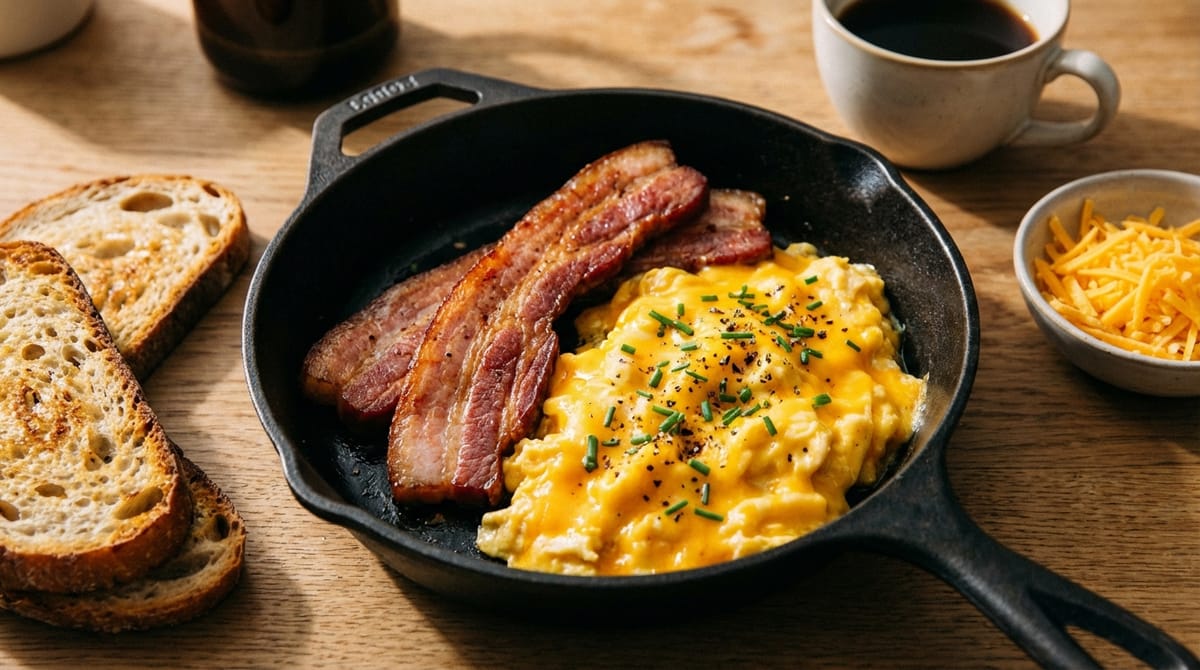
Thick-cut bacon and cheddar scrambled eggs represent the pinnacle of comfort breakfast cooking. The combination of smoky, crispy bacon with creamy, cheese-laden eggs creates a protein-rich meal that satisfies on every level. Unlike standard scrambled eggs, this dish elevates the morning routine into something genuinely memorable, balancing rich flavors with satisfying textures that keep you full for hours.
The secret to exceptional bacon and cheddar scrambled eggs lies in proper technique and quality ingredients. Thick-cut bacon provides substantial texture and releases flavorful fat that can enhance the eggs themselves. Sharp cheddar cheese adds a tangy richness that complements the smoky bacon without overwhelming the delicate egg base. When executed correctly, this dish transforms simple breakfast staples into a restaurant-quality meal you can prepare in your own kitchen.
Whether you're cooking for a weekend family breakfast or preparing a quick weekday meal, mastering this recipe opens doors to countless variations and serving options. The fundamental technique remains consistent, but the possibilities for customization make it endlessly adaptable to personal preferences and dietary needs.
Classic Thick-Cut Bacon and Cheddar Scrambled Eggs Recipe
This straightforward recipe delivers perfectly cooked eggs with crispy bacon and melted cheddar every time. The key is maintaining medium heat throughout the cooking process to ensure the eggs remain fluffy rather than rubbery.
Ingredients
- 8 large eggs
- 1/4 cup whole milk
- 6-8 slices thick-cut bacon
- 1 cup sharp cheddar cheese, shredded
- 2 tablespoons butter
- Salt and pepper to taste
- Fresh chives for garnish (optional)
Instructions
- Cook the bacon in a large skillet over medium heat for 3-4 minutes per side until crispy. Remove bacon from the skillet and place on a paper towel-lined plate to drain excess grease.
- Drain all but 1 teaspoon of bacon fat from the skillet, or wipe clean and add butter if you prefer a milder flavor.
- Crack the eggs into a medium bowl and add the milk, salt, and pepper. Whisk vigorously for about 1 minute until the mixture becomes bubbly and well-combined.
- Pour the egg mixture into the skillet over medium heat. Allow the eggs to sit undisturbed for about 30 seconds until the edges begin to set.
- Using a spatula, gently push the cooked edges toward the center of the pan, tilting to allow uncooked egg to flow to the edges. Continue this process for 3-5 minutes.
- When the eggs are mostly set but still slightly wet, crumble or chop the cooked bacon and add it to the skillet along with the shredded cheddar cheese.
- Fold the bacon and cheese into the eggs gently, then remove from heat. The residual heat will finish cooking the eggs and melt the cheese completely.
- Let the scramble rest for 1 minute before serving. Garnish with fresh chives if desired.
Choosing the Right Bacon for Maximum Flavor
Not all bacon is created equal, and your choice significantly impacts the final dish. Thick-cut bacon provides a meatier texture and more substantial bite compared to regular sliced bacon. The extra thickness means it renders fat more slowly, allowing you to achieve a crispy exterior while maintaining a slightly chewy center that adds textural interest to the scrambled eggs.
Hickory-smoked bacon offers the most traditional flavor profile, with a sweet and smoky character that pairs beautifully with sharp cheddar. However, applewood-smoked varieties provide a milder, slightly fruity smoke that works well if you prefer a more subtle bacon presence. Avoid heavily peppered or flavored bacons for this dish, as they can compete with the cheese rather than complement it.
When shopping, look for bacon with a good balance of meat and fat. Excessively lean bacon won't provide enough rendered fat for cooking and may become too crispy, while overly fatty cuts can make the dish greasy. The ideal ratio shows visible marbling with roughly equal parts lean meat and fat striping.
The Science Behind Perfect Scrambled Eggs
Understanding egg chemistry transforms your scrambled egg technique from adequate to exceptional. Eggs contain proteins that begin to coagulate around 140°F, but the texture varies dramatically based on cooking temperature and method. Low to medium heat produces small, tender curds with a creamy consistency, while high heat creates large, rubbery curds with a dry texture.
Adding milk or cream serves multiple purposes beyond simply increasing volume. The liquid dilutes the egg proteins slightly, requiring more heat energy to coagulate them fully. This extended cooking window gives you better control over the final texture. Whole milk provides the best balance of richness and moisture without making the eggs watery, though heavy cream creates an even more luxurious result if you're feeling indulgent.
The whisking process incorporates air into the eggs, creating a lighter, fluffier texture when cooked. Whisking for a full minute until the mixture becomes slightly frothy ensures even distribution of yolks and whites, preventing streaky scrambled eggs. Some cooks prefer to whisk less vigorously for a more rustic appearance with distinct yellow and white sections, which is equally valid if that's your preference.
Cheddar Cheese Selection and Melting Techniques
Sharp cheddar stands as the gold standard for this recipe because its pronounced flavor cuts through the richness of the eggs and bacon. The aging process that creates sharp cheddar concentrates its flavor compounds and reduces moisture content, resulting in cheese that melts beautifully without becoming oily or separated. Extra sharp cheddar intensifies this effect further, though it can overpower more delicate palates.
Always shred cheese fresh from the block rather than purchasing pre-shredded varieties. Pre-shredded cheese contains anti-caking agents like cellulose or potato starch that prevent clumping in the package but also inhibit smooth melting. These additives create a grainy texture in scrambled eggs rather than the silky, integrated consistency you want. The extra two minutes of grating makes a noticeable difference in the final dish.
Timing the cheese addition correctly ensures optimal melting without overcooking the eggs. Add the shredded cheddar when the eggs are about 80% cooked - still slightly wet and glossy but mostly set. Remove the pan from heat immediately after adding the cheese and fold it in gently. The residual heat melts the cheese perfectly while preventing the eggs from becoming dry or rubbery.
Creative Variations and Additions
Once you've mastered the basic recipe, numerous variations can keep this breakfast interesting. Adding diced onions and bell peppers creates a Western-style scramble with additional texture and sweetness. Cook these vegetables in the bacon drippings before adding the eggs, allowing them to soften and caramelize slightly. This technique adds depth while maintaining the dish's hearty character.
For a more substantial meal, incorporate diced potatoes cooked until crispy in the bacon fat. This transforms the scrambled eggs into a complete breakfast hash that requires no side dishes. Cook the potatoes for approximately 12 minutes over medium heat until they develop a golden-brown crust, then proceed with the standard recipe. The potatoes absorb bacon flavor while adding satisfying bulk to the meal.
Avocado slices and everything bagel seasoning provide a modern twist that adds healthy fats and complex flavor. Serve the scrambled eggs alongside half an avocado sprinkled with the seasoning blend for a California-inspired breakfast that balances the richness of the cheese and bacon with fresh, creamy avocado. Fresh berries on the side add a touch of sweetness and acidity that cleanses the palate between bites.
Cooking Methods Beyond the Stovetop
While traditional stovetop preparation yields excellent results, alternative cooking methods offer convenience for feeding crowds or achieving different textures. Oven-baked scrambled eggs work exceptionally well for breakfast gatherings, allowing you to prepare eggs for 8-12 people simultaneously without constant stirring.
To bake scrambled eggs, preheat your oven to 350°F and add melted butter to a 9x13 baking pan. Whisk together 24 eggs with 2 cups of whole milk, 2 teaspoons of salt, and pepper, then pour into the prepared pan. Sprinkle bacon crumbles and shredded cheddar evenly over the top and bake for 25-30 minutes until just set. The eggs will continue cooking slightly after removal from the oven, so pull them when they still appear slightly underdone in the center. Let them rest for 5 minutes before slicing and serving.
This oven method produces eggs with a custard-like consistency that differs from stovetop scrambled eggs but offers its own appeal. The even heat distribution creates uniform texture throughout, and the hands-off cooking frees you to prepare other breakfast components simultaneously. The technique works particularly well for brunch entertaining when you need to coordinate multiple dishes.
Serving Suggestions and Presentation Ideas
Presentation elevates even simple scrambled eggs from everyday breakfast to special occasion fare. Serve the eggs in bacon bowls for an impressive presentation that's surprisingly easy to execute. Drape bacon strips over an inverted muffin tin and bake at 350°F for about 45 minutes until crispy. The bacon forms edible bowls that hold the scrambled eggs perfectly, eliminating the need for plates and adding visual drama to the meal.
For sandwich applications, thick-cut bacon and cheddar scrambled eggs create exceptional breakfast sandwiches. Use potato rolls or English muffins as the base, brushing the tops with a mixture of maple syrup and melted butter before toasting. The slight sweetness balances the savory eggs and bacon beautifully. Assemble the sandwiches while everything is hot to ensure the cheese melts completely and the components meld together.
When plating for a sit-down breakfast, consider the color contrast and composition. The golden-yellow eggs with orange cheese and brown bacon benefit from bright garnishes like fresh chives, cherry tomatoes, or microgreens. Serve alongside whole grain toast or roasted potatoes for textural variety. A small portion of fresh fruit adds color and provides a refreshing counterpoint to the rich main dish.
Make-Ahead Tips and Storage Guidelines
While scrambled eggs taste best when freshly prepared, busy schedules sometimes require advance preparation. Cook the bacon up to three days ahead and store it in an airtight container in the refrigerator. Reheat in a skillet or microwave before adding to freshly scrambled eggs. The bacon maintains its texture better than pre-cooked eggs, making this the most practical component to prepare in advance.
If you must prepare the entire dish ahead, undercook the eggs slightly and store them in a shallow container in the refrigerator for up to 24 hours. Reheat gently in a buttered skillet over low heat, stirring frequently to prevent drying out. Add a splash of milk during reheating to restore moisture. While the texture won't match freshly made scrambled eggs, this method produces acceptable results for meal prep situations.
Freezing scrambled eggs is generally not recommended, as the texture becomes rubbery and watery upon thawing. However, you can freeze cooked bacon for up to three months with excellent results. Separate slices with parchment paper before freezing to prevent sticking, then reheat directly from frozen in a skillet or oven. This allows you to keep thick-cut bacon on hand for quick breakfast preparation without frequent grocery shopping.
Conclusion
Thick-cut bacon and cheddar scrambled eggs represent more than just a breakfast dish - they're a masterclass in balancing flavors, textures, and cooking techniques. The combination of crispy, smoky bacon with creamy, cheese-enriched eggs creates a satisfying meal that works equally well for casual weekday breakfasts and special weekend brunches. By selecting quality ingredients and applying proper cooking methods, you can consistently produce restaurant-quality results in your home kitchen.
The versatility of this recipe allows endless customization while maintaining its essential character. Whether you prefer the traditional stovetop method, the convenience of oven-baking for crowds, or creative presentations like bacon bowls and breakfast sandwiches, the fundamental principles remain constant. Medium heat, gentle stirring, and proper timing ensure fluffy eggs every time, while quality thick-cut bacon and freshly shredded sharp cheddar provide the flavor foundation that makes this dish memorable.
Master this recipe and you'll have a reliable breakfast solution that impresses guests, satisfies family, and provides the protein-rich fuel needed to start any day right. The techniques you develop while perfecting bacon and cheddar scrambled eggs transfer to countless other breakfast preparations, making this an essential skill for any home cook's repertoire.
Sources
- Best Choice Brand - Country Style Scrambled Eggs
- Must Love Garlic - Bacon Egg Grilled Cheese
- Feeding the Frasers - Cheesy Scramble with Bacon
- Hiland Dairy - Scrambled Egg Bacon Bowls
- Cup of Yum - Oven Bacon Cheddar Scrambled Eggs
- Martin's Famous Potato Rolls - Cheesy Scrambled Eggs Bacon Breakfast Sandwich